

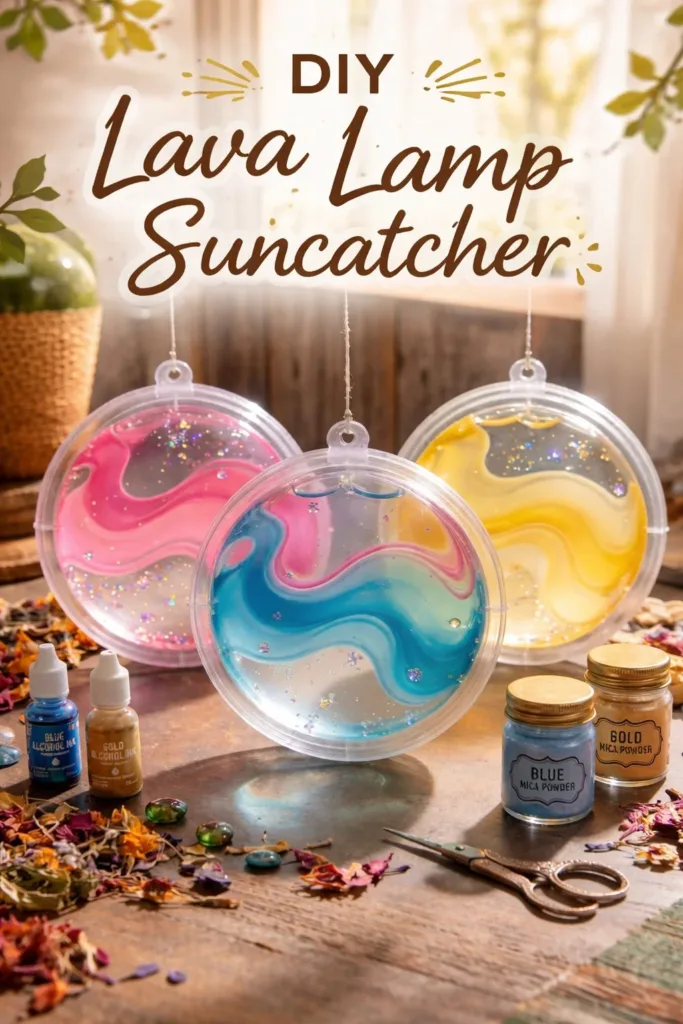
A warm, late-afternoon light pours across my worktable, catching tiny bubbles suspended in soft, clear glue. I rest my palms on the cool glass ring I plan to fill, feeling the faint vibration of the lamp nearby. Making a DIY Lava Lamp Suncatcher asks me to breathe with the movement, to notice how color floats and pauses, and to listen to the small, steady thrum of a room slowing down. This quiet, tactile moment is why I keep returning to this simple, glowing craft. If you want a full step-by-step, I often link back to the original DIY Lava Lamp Suncatcher tutorial for reference.
Why DIY Lava Lamp Suncatcher Feels Comforting to Create
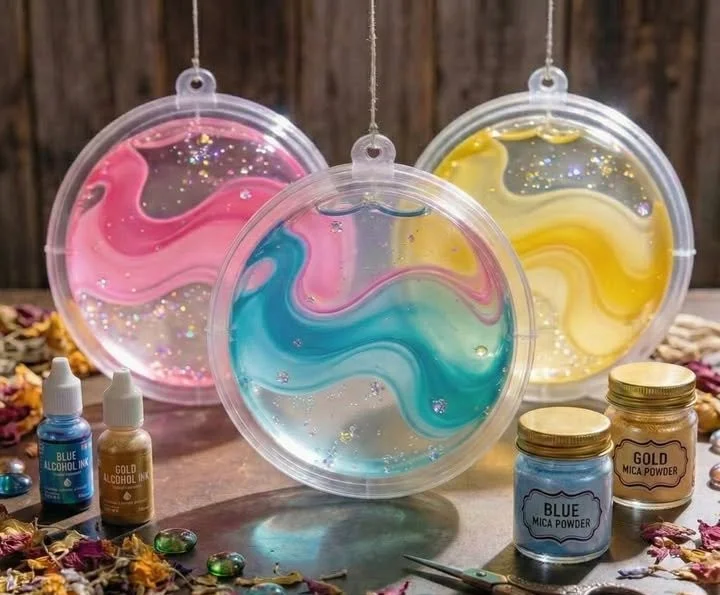
This project invites slow, gentle attention. You mix soft, viscous materials and watch them move like small living forms. The sensation of pressing beads of warm wax or clear gel into the ring feels grounding. You meet texture in a close, friendly way.
Working with light and color brings a steady calm. As sun moves through a window, your suncatcher changes moods. It glows differently in the morning than it does at dusk. The act of creating something that changes with light helps you slow to the world’s rhythm.
This suncatcher also asks for a few simple, careful choices. You choose colors that make your chest feel lighter or deeper. You arrange shapes with a slow hand. The process keeps your mind focused in a kind, present way. If you want designs with a stronger lava lamp influence, you might explore more playful shapes in the lava lamp style suncatchers collection for ideas that feel familiar.
A Gentle Look at the Process
Start by seeing the whole process as a small ritual. You gather materials, warm a base gently, add color in soft droplets, and wait as bubbles form and settle. Each movement stays intentional and unhurried.
You will feel a mix of textures. Slick oils, smooth glass, and the slight resistance of gel will keep your hands engaged. You will hear quiet sounds too: the faint sliding of a spoon, the soft pop of a tiny bubble, the whisper of cloth as you clean edges. These small sensory moments keep the making mindful, like a slow conversation with your hands.
Visually, you will build layers. You may pour a clear medium, dot it with colored beads, and tilt gently so shapes move. You repeat small gestures, giving the materials time to respond. The results change with light and movement, so you will learn by watching and adjusting.
Materials You’ll Need
- Small glass ring or clear glass suncatcher frame (easy to find at craft stores)
- Clear resin or clear silicone gel (resin gives a glass-like finish; silicone is softer and flexible)
- Gel or colored oil drops (can use colored silicone pigments or oil-based dyes)
- Small pipettes or droppers (optional, but they help with precision)
- Stirring sticks or wooden skewers (simple and tactile)
- Disposable mixing cups (single-use keeps things simple)
- Gloves (nitrile or latex, for safe handling)
- A small heat gun or hair dryer (optional; helps release bubbles)
- Fine sandpaper or a polishing pad (for gentle finishing)
- Thin wire or ribbon for hanging (optional)
- A shallow tray or protective mat (to catch spills and protect your table)
- Small funnel or paper cone (optional, for neat pouring)
- Isopropyl alcohol and lint-free cloths (for cleaning edges and tools)
Note on substitutions: If you prefer plant-based options, try a peelable gel medium and pair with the bioplastic suncatchers recipe for a softer, more tactile effect. I find resin gives crisp clarity, and silicone gives a gentle bounce; both have their quiet, lovely quality.
Step-by-Step Directions
- Prepare your space and materials.
Lay down a tray and cloth to protect the surface.
Put on gloves and organize cups, pigments, and drops. - Measure and mix the clear base.
Follow the resin or silicone instructions gently and slowly.
Stir in smooth, controlled motions to avoid bubbles. - Pour a thin base layer into the glass ring.
Aim for a level, slow pour that spreads like glass.
Let this settle a few minutes until lightly tacky. - Add colored droplets with a pipette.
Place drops near the center and watch them spread.
Small drops make small, floating shapes; larger drops make more dramatic motion. - Encourage flow with a gentle tilt.
Tilt the ring just a degree or two to guide movement.
Watch how colors chase each other and find balance. - Remove air bubbles softly.
Use a small heat gun or warmed spoon at a distance.
Keep movements steady and never overheat the resin. - Layer and repeat for depth.
Add another clear layer to fix the colored shapes in place.
Continue adding color until the composition feels right. - Finish edges and cure fully.
Allow the piece to cure following the product timings.
Use fine sandpaper to smooth any rough edges when fully set. - Add hanging hardware.
Attach thin wire or ribbon through the glass ring.
Ensure the wire sits secure and the piece hangs level. - Clean and reflect.
Wipe the outer surface with isopropyl alcohol to remove any residue.
Sit with the finished suncatcher in natural light and notice small shifts.
Bringing DIY Lava Lamp Suncatcher Into Your Space
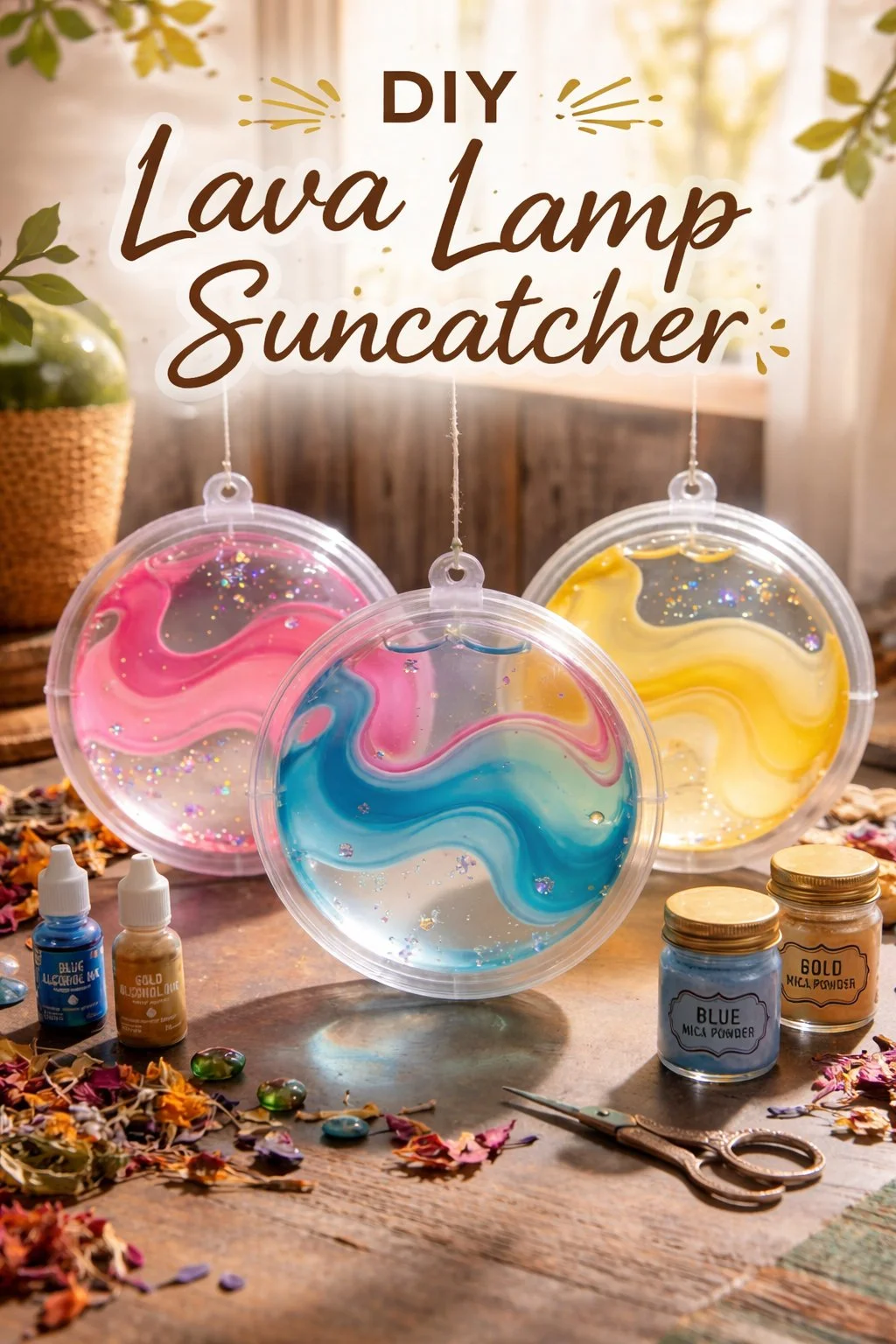
A finished suncatcher brings a soft, moving light to a quiet corner. I like to hang mine near a reading chair or over a small plant stand. The shifting colors add a slow rhythm that feels restful.
Try suspending it in a window where light filters through leaves. The suncatcher will interact with both natural light and the room’s shadow, creating a gentle performance. A suncatcher also works well above a morning tea station, catching early sun and warming your hands as you sip.
For seasonal mood changes, rotate the piece with a different color palette. Lighter pastels make mornings feel hopeful, while deep jewel tones feel cozy in the evening. If you enjoy exploring materials, you can pair this with other projects like the more suncatcher projects to build a small collection that evolves with light and time.
How to Store or Reuse DIY Lava Lamp Suncatcher
Store your suncatcher flat while it cures to avoid unwanted movement. Once cured, keep it in a dry, cool place away from direct, intense sunlight for long periods, which can soften some materials.
If you use silicone and want to refresh the piece, you can often remove the top layer and add a new clear layer with fresh color. Resin pieces last a very long time but can benefit from gentle polishing if they gather micro-scratches.
For storing surplus materials, seal resin and pigments tightly in small containers. Label them with dates to track freshness. Keep all chemicals out of reach of children and pets, and store them upright to prevent spills.
When reusing parts, such as rings or frames, clean them with alcohol and allow full drying before adding new materials. I keep a small box of frames and glass rings, and they become ready friends when I need a calm, quick project.
What I’ve Learned While Making This
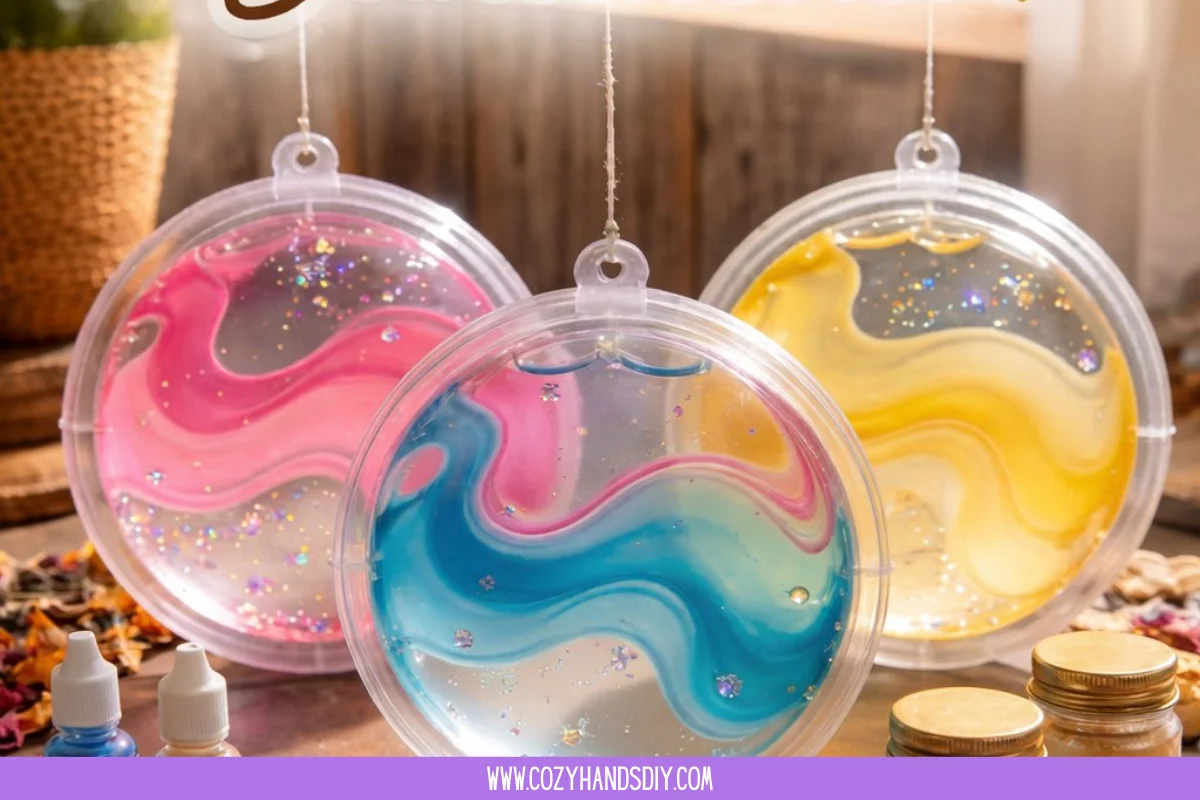
I learned to honor the slow timing that resin asks for. Rushing mixing or trying to fix bubbles too aggressively only adds stress. Now I use a timer and a calm breathing break while layers set.
I also learned to trust small adjustments. Tiny tilts and subtle shifts of color often create more interesting movement than large gestures. The materials respond best to light touch.
Another practical lesson: keep a discard jar for used stirring sticks, disposable cups, and wipes. It keeps the workspace tidy and lets me return to a calm surface quickly. Lastly, I learned that no two pieces will be the same, and that detail is where the magic lives.
FAQs About DIY Lava Lamp Suncatcher
Is this safe for a home with pets and children?
Yes, with care. Keep mixed resin and pigments out of reach until fully cured.
Wear gloves and ventilate the space. Store materials securely and supervise any curious little hands.
Can I use food coloring or water-based paints?
Water-based dyes do not mix well with resin or oil-based mediums.
They can create cloudiness. Oil-based or silicone-compatible pigments give clearer, more stable results.
How long does the curing take?
Curing time depends on the product. Many resins set within 24 hours but reach full hardness in several days.
Silicone gels may cure faster. Follow the manufacturer instructions and allow extra time if you see tackiness.
What do I do if I get bubbles in my final piece?
Use a gentle heat source at a safe distance to coax bubbles up.
If bubbles persist, add another thin clear layer on top after the base cures. Patience helps more than force.
Can I hang the suncatcher outside?
I recommend indoor display, away from direct, prolonged sun and moisture.
If you plan to hang it outdoors, choose weather-resistant materials and place it under a covered porch.
A Gentle Note Before You Go
Leave space between your making and your expectations. This project shines when you let it be a small, slow ritual rather than a rush to finish. Notice the way light plays across the surface as you work, and give your hands room to explore textures.
Keep a notebook or a photo record of each piece. I find that looking back at how colors transformed in different light teaches more than any single tutorial. Allow your suncatcher to be both a visual comfort and a reminder to slow down.
Conclusion
If you enjoy a short video demonstration of similar ideas, this PBS segment on making a lava lamp offers a friendly visual guide that complements hands-on practice. For unique glass and frame options to pair with your piece, I like browsing selections like those on Lamp Stain Glass on Etsy to find shapes and textures that feel personal.
PrintDIY Lava Lamp Suncatcher

Create a mesmerizing suncatcher that utilizes resin and colored drops to mimic the flowing design of a lava lamp, perfect for adding color and light to your space.
- Prep Time: 15 minutes
- Cook Time: 60 minutes
- Total Time: 75 minutes
- Yield: 1 suncatcher
- Category: Craft
- Method: Crafting
- Cuisine: N/A
- Diet: N/A
Ingredients
- Small glass ring or clear glass suncatcher frame
- Clear resin or clear silicone gel
- Gel or colored oil drops (silicone pigments or oil-based dyes)
- Small pipettes or droppers (optional)
- Stirring sticks or wooden skewers
- Disposable mixing cups
- Gloves (nitrile or latex)
- A small heat gun or hair dryer (optional)
- Fine sandpaper or polishing pad
- Thin wire or ribbon for hanging (optional)
- A shallow tray or protective mat
- Small funnel or paper cone (optional)
- Isopropyl alcohol and lint-free cloths
Instructions
- Prepare your space and materials.
- Lay down a tray and cloth to protect the surface.
- Put on gloves and organize cups, pigments, and drops.
- Measure and mix the clear base.
- Follow the resin or silicone instructions gently and slowly.
- Stir in smooth, controlled motions to avoid bubbles.
- Pour a thin base layer into the glass ring.
- Aim for a level, slow pour that spreads like glass.
- Let this settle a few minutes until lightly tacky.
- Add colored droplets with a pipette.
- Place drops near the center and watch them spread.
- Encourage flow with a gentle tilt.
- Tilt the ring just a degree or two to guide movement.
- Remove air bubbles softly.
- Use a small heat gun or warmed spoon at a distance.
- Layer and repeat for depth.
- Add another clear layer to fix the colored shapes in place.
- Finish edges and cure fully.
- Allow the piece to cure following the product timings.
- Add hanging hardware.
- Attach thin wire or ribbon through the glass ring.
- Clean and reflect.
- Wipe the outer surface with isopropyl alcohol to remove any residue.
Notes
Ensure to wear gloves and work in a ventilated area when handling resin and pigments. Store materials securely to prevent accidents, especially if you have pets or children.