

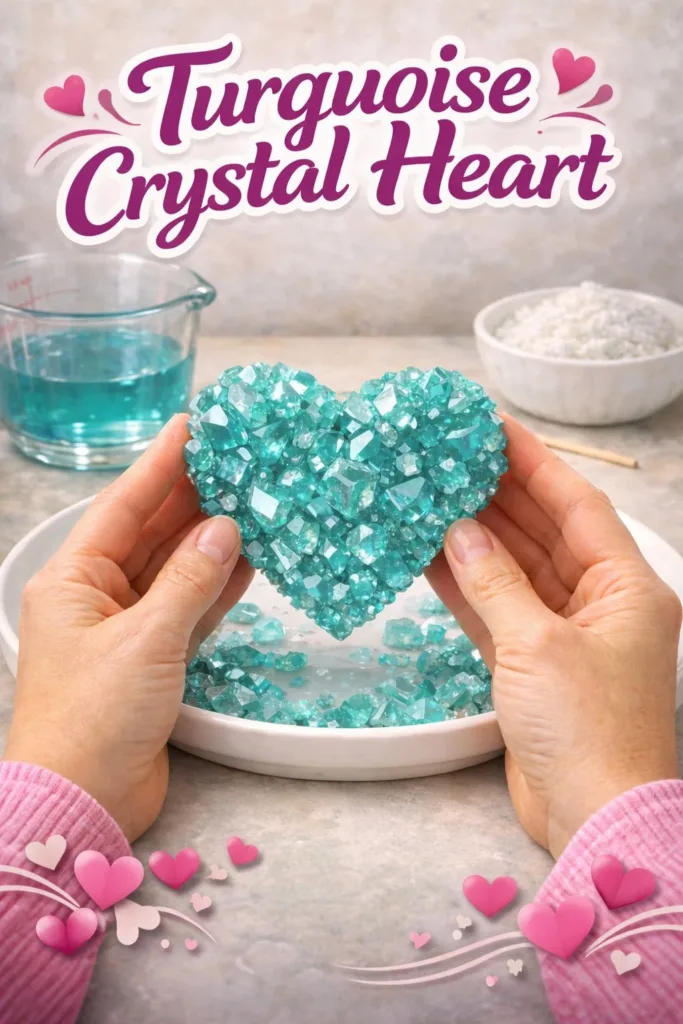
A small stone rests in my palm and the world narrows to color and weight. The Turquoise Crystal Heart cools against my skin, a quiet blue like a remembered sky. I trace its gentle curve and breathe with it, holding a simple moment that feels enough. In that breath I remember why making matters: for the hush, the texture, the soft rhythm of hands at work. You can read a little more about this exact Turquoise Crystal Heart in the project notes I saved while making mine here.
The Quiet Joy of Making Turquoise Crystal Heart
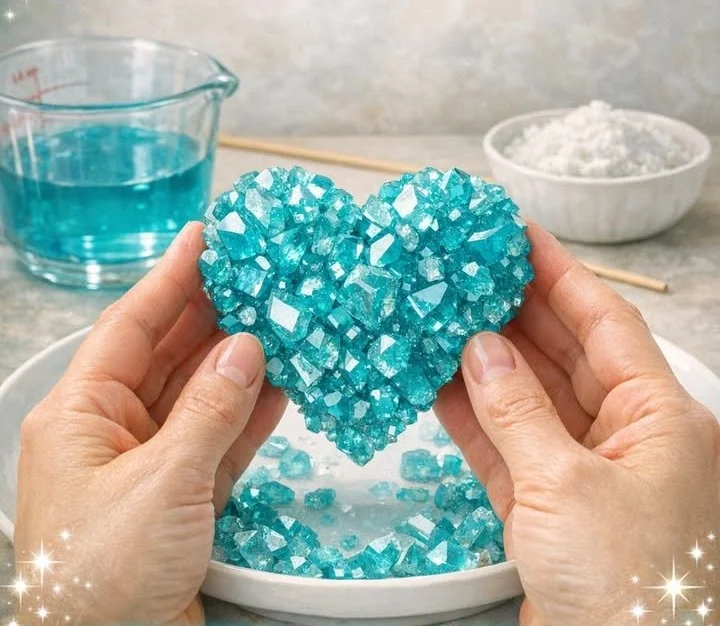
Making this Turquoise Crystal Heart invites slow attention. The process asks you to move thoughtfully, to feel the grain of the stone, and to notice the way light moves across the blue. It centers small senses: the cool touch, the soft sound of cloth against stone, the steady beat of a hand smoothing an edge.
This DIY feels comforting because it connects making with presence. When you shape, polish, or simply hold this heart, you anchor a few uninterrupted minutes of calm. It becomes a tiny object that returns you to that calm later. If you want a broader view of turquoise meanings or similar projects, you may like this short piece about the turquoise heart and its uses here.
I make these hearts on slow afternoons. I set out a cup of warm tea, a soft cloth, and the stone. The small routine of preparing the space helps my hands stay gentle. You will notice the rhythm soon: a little movement, a little pause, a soft hum of contentment. That rhythm is the point as much as the finished heart.
A Gentle Look at the Process
Before you begin, imagine the process like a short, slow walk. You will select a stone, feel its texture, and move through small, careful steps that reveal the heart shape inside. The work stays simple and tactile.
You will notice sound, like the faint scrape of sandpaper or the whisper of polishing cloth. You will notice scent, perhaps the earthy aroma of a polishing paste or the clean smell of water. Each small sensory detail helps you stay present and enjoy the act of making.
I like to think of this as a soft practice rather than a strict craft. The methods I share come from many quiet afternoons of shaping, learning what pressure feels right, and adjusting when a stroke moved too quickly. If this is your first time, you will find the pace forgiving. Take breaks, touch the stone often, and listen to how your hands guide the work.
Materials You’ll Need
Turquoise Crystal Heart (raw or roughly shaped stone; you can start with a piece about 35 to 50 mm)
Fine sandpaper set (220, 400, 800, 1200 grits; easy to find at hardware stores)
Polishing compound or jeweler’s rouge (optional, for added shine)
Soft microfiber cloth or old cotton cloth (smooth, lint-free)
Water in a shallow dish (keeps dust down and reveals color)
Small file or diamond file (optional, for shaping)
Masking tape or painter’s tape (optional, to mark edges)
Protective gloves and a dust mask (safety; recommended)
Small bowl for soaking (optional if you want to rinse between steps)
A quiet surface with a soft towel underneath (keeps the stone from slipping)
Notes on materials: start simple if you prefer. A single sheet of fine sandpaper and a cloth can do much of the work. If you have access to a diamond file, it helps with precise shaping. The polishing compound is optional but pleasant; it brings out depth in turquoise and highlights tiny veins.
If you want to experiment with related techniques, you might enjoy the gentle crystal growth method I wrote about earlier, which shares slow, sensory steps that pair well with heart-making here.
Step-by-Step Directions
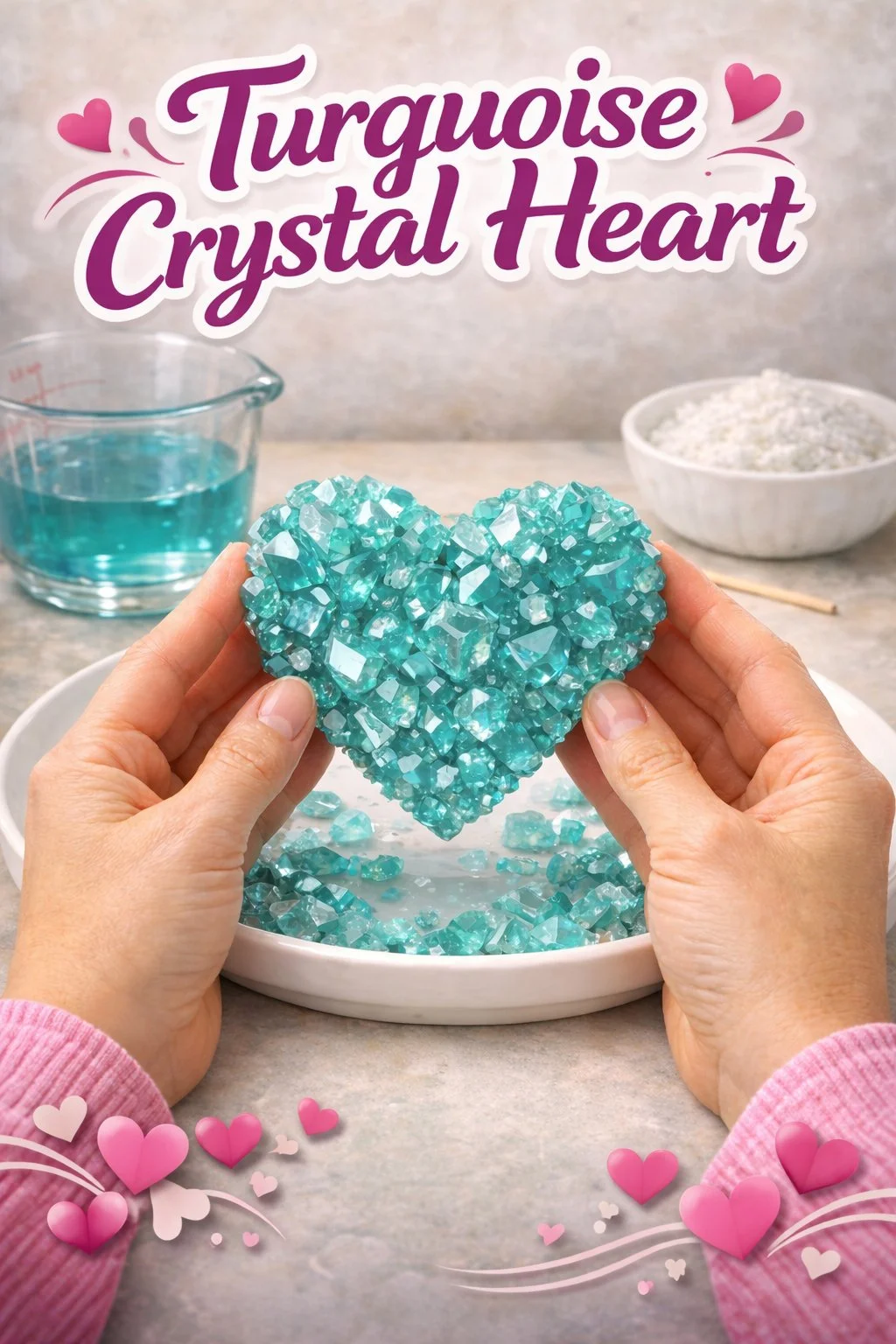
- Choose your stone and clean it.
Lay the turquoise in warm water and gently wipe away dust or grit.
Notice its temperature and the natural patterns you might follow. - Mark a heart outline.
Use a faint mark with tape or a pencil to indicate the general shape.
Keep the outline simple; you will refine by touch as you go. - Begin shaping with a file or coarse sandpaper.
Work slowly, smoothing small areas at a time.
Feel the resistance and stop when the shape begins to feel natural. - Move to finer grits for smoothing.
Progress to finer sandpaper in sequence: 400, 800, then 1200.
Rinse occasionally to see the true color and to reduce dust. - Soften edges and refine curves.
Wrap sandpaper around a finger or use a fingertip motion with the file.
Aim for gentle curves that feel comfortable against the skin. - Use polishing compound for depth (optional).
Apply a small amount on a soft cloth and rub in circular motions.
Watch the turquoise gain a soft sheen rather than a harsh gloss. - Clean and dry the heart.
Rinse with warm water and pat dry with a soft cloth.
Hold the stone and notice how the surface invites touch. - Add finishing touches.
If you want, wrap a thin wire around the heart for hanging, or glue a small felt pad on the back to sit softly on a table.
Make any small adjustments with a light touch. - Rest and reflect.
Place the finished heart where you can see it and take a few deep breaths.
Notice the small satisfaction that comes from gentle making.
Each numbered step honors the pace of your hands. Take longer on any step if it feels right. I often pause between sanding and polishing to wash my hands, breathe, and check the piece under different light. Those pauses keep the process calm and thoughtful.
Using Turquoise Crystal Heart in Everyday Life
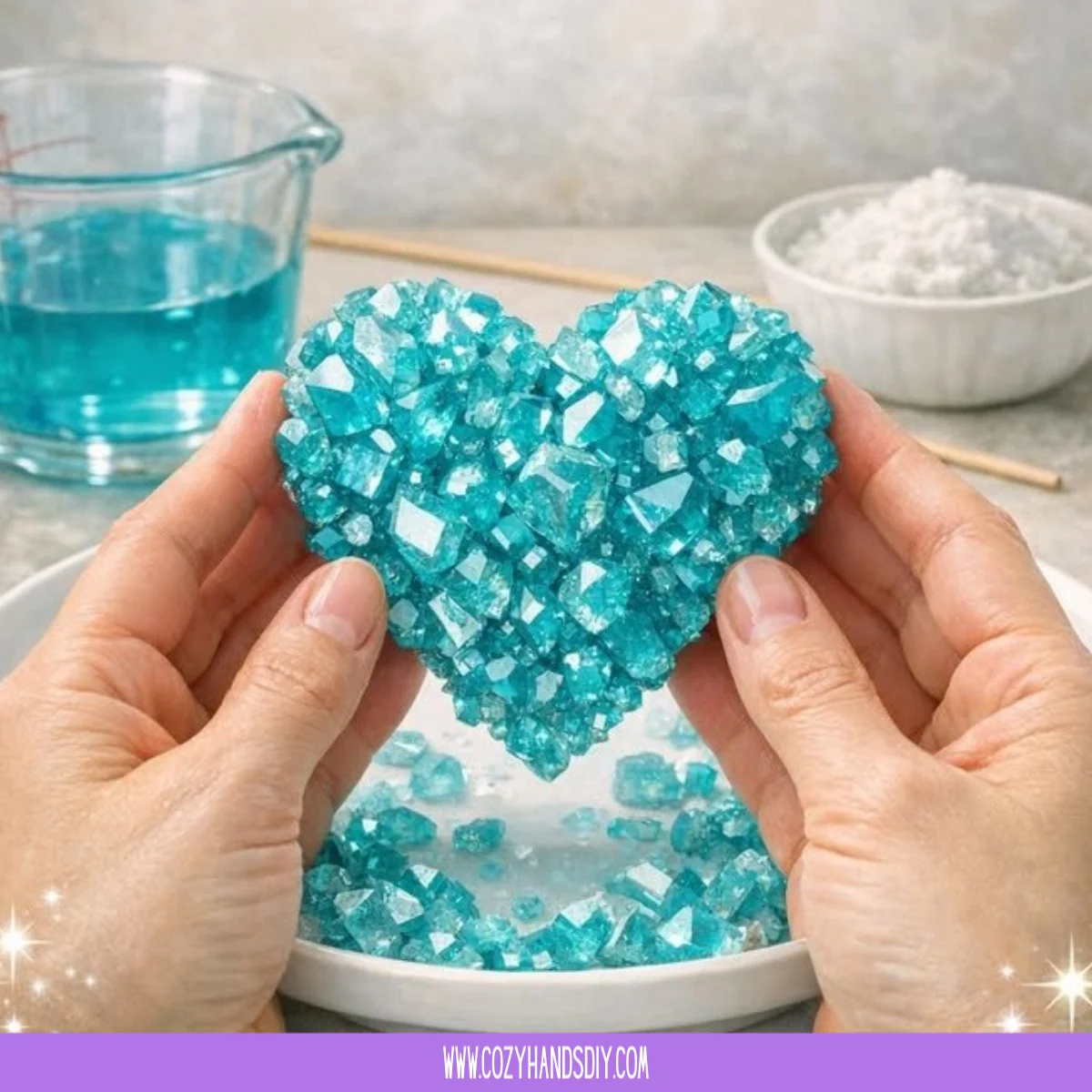
The finished Turquoise Crystal Heart fits easily into daily comfort. I keep one on the nightstand to catch morning light and one folded into a favorite pocket when I need a soft reminder of presence. The blue invites a quiet point of focus when thoughts scatter.
Place a heart in a shallow dish with other small stones to create a gentle tray display. Tuck one into a plant pot near the window so it sees shifting sunlight and wakes up each day alongside leaves. If you like to carry a talisman, the heart sits warm in the palm and offers a tactile anchor when you need a breathing moment.
For shared moments, place a heart on the table during a calm conversation. Passing it back and forth adds a layer of grounded touch. If you craft with others, you will find the exchange of these little objects creates a peaceful rhythm between people.
If you want more ideas for integrating this piece into everyday crafts or to pair with similar projects, you may find these additional crystal heart craft ideas helpful here.
Caring for Your Finished DIY
Turquoise is soft compared to many gemstones, so gentle care keeps it happy. Avoid knocking the heart against hard surfaces and keep it away from prolonged exposure to direct sun. The color can change subtly if left in harsh light for long periods.
Clean the heart with a soft cloth and plain water. Avoid harsh chemicals, ultrasonic cleaners, or abrasive pads. For polish, use a tiny amount of jeweler’s rouge or a soft polishing compound and a cloth. Test any product on a small area first.
If you carry the heart in a pocket or bag, wrap it in a soft pouch or a square of cloth. This prevents scratching and keeps the edges intact. For display, a felt pad underneath helps cradle the shape and keeps it from sliding.
If you plan to wrap or mount the heart with wire, choose a thin, soft wire and avoid tight coils that press into the stone. I learned to leave a small space between wire and stone, so the heart can rest naturally. These small practices lengthen the life of your piece and honor the quiet care it deserves.
Calm Customization Ideas
Consider these gentle invitations to make the heart your own. Each idea keeps the focus on slow enjoyment, not perfection.
- Soft color wash: If your turquoise has pale spots or you want a muted look, a light wash of diluted natural dye can add warmth. Test on a scrap first.
- Felt backing: Glue a small felt circle on the back to make the heart stable on hard surfaces. The felt adds a soft sensory contrast.
- Tiny wire loop: Make a thin loop from copper or sterling silver to hang your heart on a cord. Keep the loop loose to avoid pressure marks.
- Group display: Combine several small hearts in a shallow wooden bowl. Let them nestle together and change their arrangement slowly over the week.
- Scented keeping: Place the heart near a jar of dried lavender. The scent stays subtle and creates a calming combination of touch and smell.
These variations invite curiosity rather than rules. Try one at a time and notice how each small change affects the way you relate to the piece.
FAQs About Turquoise Crystal Heart
Will sanding change the color of my turquoise?
Sanding mainly affects the surface texture and reveals deeper layers of color. If your stone has veins or matrix, these may become more apparent. Rinsing often during sanding shows the color more honestly. Use gentle grits and stop when the hue pleases you.
Can I use a machine to speed up the process?
Machines can work well if you know how to use them safely. For a mindful practice, I recommend hand tools. They give you better tactile feedback and reduce the chance of removing too much material. If you do use power tools, wear a mask and work in a well-ventilated area.
How do I choose the right size stone?
Hold different stones and notice which size feels natural in your hand. Heart projects often work best in the 35 to 50 mm range, which fits comfortably on a nightstand or in a pocket. The best size depends on how you plan to use the finished piece.
Is turquoise fragile?
Turquoise ranks lower on the hardness scale than many gems, so it can scratch or chip more easily. Treat it with gentle care and avoid harsh chemicals. Its softness also makes it pleasant to work with by hand.
Can I make this with imitation turquoise or howlite?
Yes. Howlite often takes dye and polishes beautifully. If you choose an imitation, treat it like a real stone in terms of care because finishes and adhesives may differ. I like trying small pieces first to learn how each material responds.
A Gentle Note Before You Go
Sit with your heart for a quiet minute. Notice how the act of making softened something that once sat rough and ordinary. That change matters because it bridged your hands and attention with the world, even briefly.
The Turquoise Crystal Heart holds both the memory of your making and the possibility of many small, nurturing moments ahead. Use it to return to calm, or pass it forward to someone who might need a gentle reminder. Each heart keeps a little of your mindful time inside it.
Conclusion
If you enjoy the idea of wearing a small turquoise heart close to your chest, this delicate option shows a refined way to carry that calm: Turquoise Stone Heart Necklace – Aurelia Demark. For those who want a ready-made heart to inspire their making or to keep as a reference while shaping your own, this carved option is a helpful visual and tactile guide: Turquoise Howlite Crystal Heart ~45mm – CrystalAge.com.
Thank you for sharing this slow-making moment. May your hands remain gentle and your days threaded with small, satisfying crafts.
PrintTurquoise Crystal Heart

A calming DIY project to create a beautiful Turquoise Crystal Heart through a thoughtful and sensory crafting process.
- Prep Time: 10 minutes
- Cook Time: 60 minutes
- Total Time: 70 minutes
- Yield: 1 heart
- Category: Craft
- Method: DIY
- Cuisine: N/A
- Diet: N/A
Ingredients
- Turquoise Crystal Heart (raw or roughly shaped stone; 35 to 50 mm)
- Fine sandpaper set (220, 400, 800, 1200 grits)
- Polishing compound or jeweler’s rouge (optional)
- Soft microfiber cloth or old cotton cloth
- Water in a shallow dish
- Small file or diamond file (optional)
- Masking tape or painter’s tape (optional)
- Protective gloves and a dust mask (recommended)
- Small bowl for soaking (optional)
- A quiet surface with a soft towel underneath
Instructions
- Choose your stone and clean it.
- Mark a heart outline using tape or a pencil.
- Begin shaping with a file or coarse sandpaper.
- Move to finer grits for smoothing.
- Soften edges and refine curves.
- Use polishing compound for depth (optional).
- Clean and dry the heart.
- Add finishing touches (wire for hanging or felt pad).
- Rest and reflect with the finished heart.
Notes
Start simple if you prefer. A single sheet of fine sandpaper and a cloth can do much of the work. Avoid direct sunlight and harsh chemicals for care.