
Valentine’s Day offers a beautiful opportunity to infuse a touch of love into fun learning experiences. There’s something wonderfully soothing about watching vibrant colors swirl together in a warm mixture or observing how a simple chemical reaction can create magic. These moments of connection whether through the tactile nature of hands-on experiments or the delighted giggles as something surprising takes shape make Valentine science experiments for kids truly special. As you engage in these delightful activities, each step becomes a gentle reminder of creativity, exploration, and the joy of learning together. You may also find Easy Mothers Day Crafts For Little Hands useful.
Why Make This Valentine Science Experiments for Kids: Easy STEM Activities
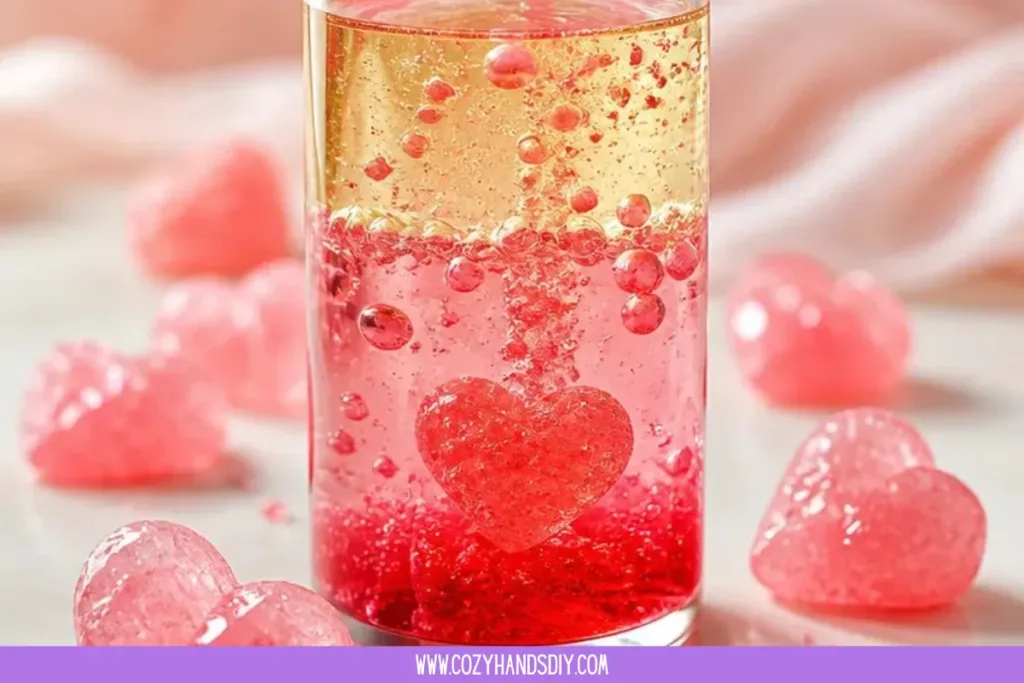
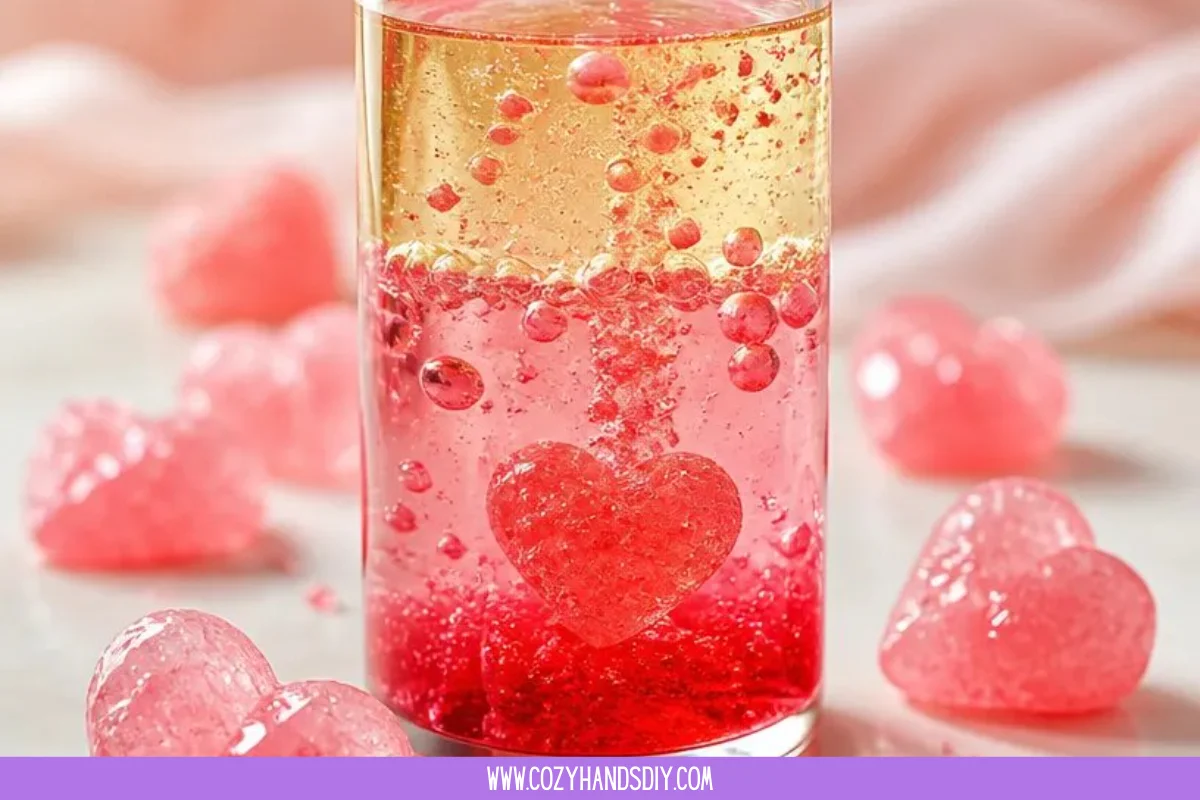
Creating Valentine science experiments with kids fosters a unique blend of education and heartfelt joy. The process encourages a calm yet engaging atmosphere, allowing little hands to explore textures, colors, and reactions. These experiments offer more than just learning opportunities; they provide a moment to connect and share curiosity. Together, you can marvel at the science behind floating hearts or sparkling colors. You may also find Fall Crafts For School Age Kids Easy Halloween Toddlers useful.
By slowing down and engaging with the materials, you invite relaxation and mindfulness into your activities. Each experiment becomes a canvas for imaginative thinking, combining sensory experiences with the festive spirit of Valentine’s Day. This blend of learning and creativity reinforces the importance of spending quality time together in a cozy, nurturing environment. Discover how to celebrate creativity in a gentle way while bonding with your little ones.
You may also find Halloween Crafts For Kids Art Projects Activities useful.
A Gentle Look at the Process
As you gather materials for these delightful Valentine science experiments, think of the textures you’ll feel, the vibrant colors you’ll see, and the soft sounds that accompany mixing and pouring. Each step will invite young explorers to witness science in its most tender form. Prepare to be captivated by the journey from initial setup to the wonder of seeing their creations come to life.
These activities can embrace various sensory experiences, balancing between the smoothness of watercolors and the excitement of fizzing reactions. When kids get involved, their curiosity will guide them through each experiment, creating a rhythm that feels safe and engaging.
Materials You’ll Need
To embark on these gentle scientific explorations, gather the following materials:
- Baking soda (easy to find in any grocery store)
- Vinegar (substitute-friendly with lemon juice)
- Food coloring (for vibrant colors)
- Small containers or cups (for mixing)
- Heart-shaped molds (optional, adds charm)
- Measuring spoons (for precise pouring)
- Paper towels (for easy cleanup)
These simple supplies lay the groundwork for multiple Valentine-themed experiments. Don’t worry; the beauty is in the process rather than in perfection.
Step-by-Step Directions
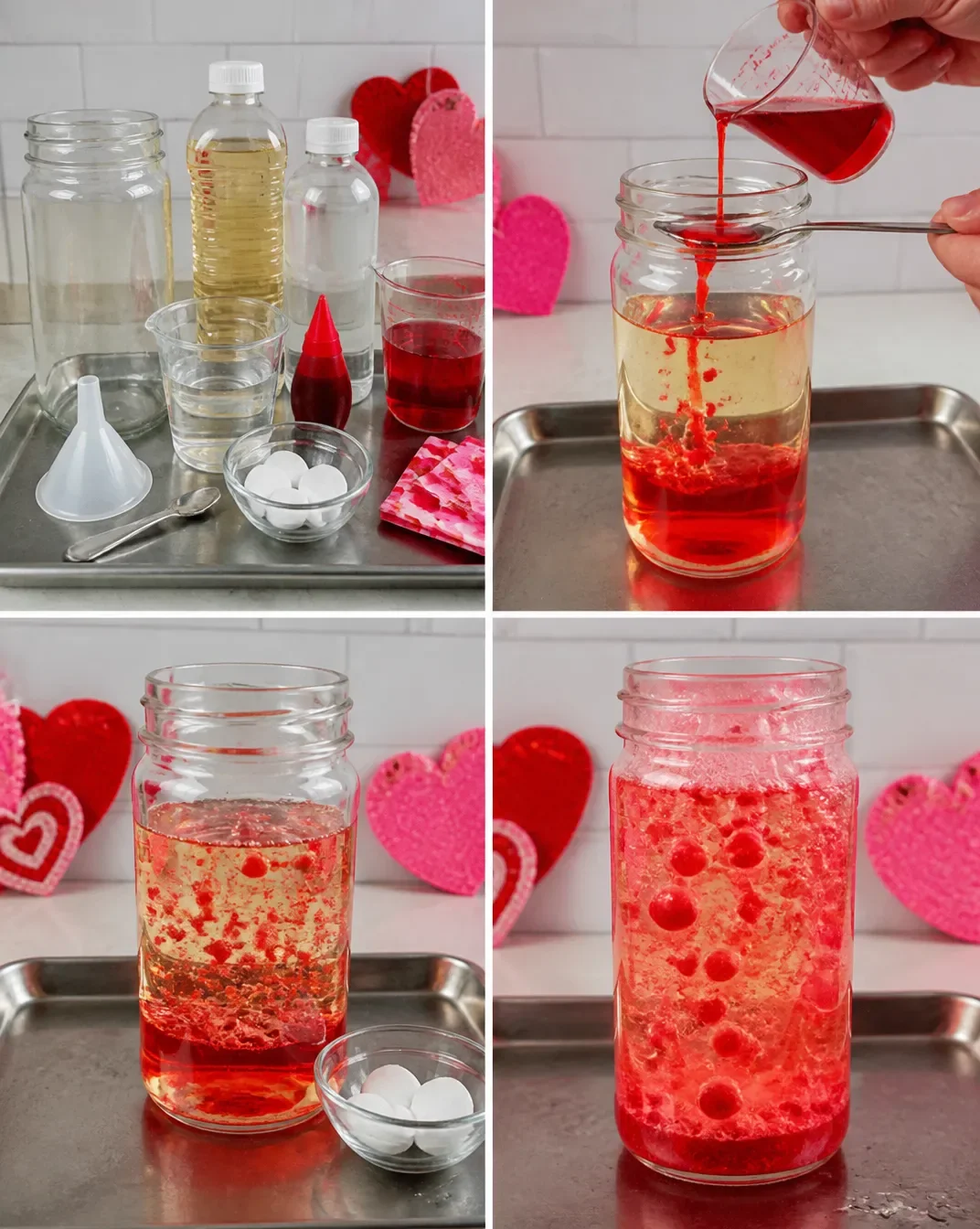
- Start by gathering your materials on a clean, flat surface. This creates a calm workspace for exploration.
- In each small container, add two tablespoons of baking soda, creating a fluffy base to build on.
- Using a measuring spoon, pour in one tablespoon of vinegar slowly. The reaction will start to bubble and fizz, creating a playful eruption.
- Add a few drops of food coloring and watch as the colors dance and swirl through the bubbling concoction.
- Optional: If you’re using heart-shaped molds, pour your mixture into these to create heart-shaped fizzies. Let them sit for a bit to harden.
- Repeat the process, experimenting with different color combinations or varying amounts of baking soda and vinegar to see how it changes the reactions.
This gentle pacing invites involvement from little hands and creates a rich environment for learning.
Enjoying the Finished Piece
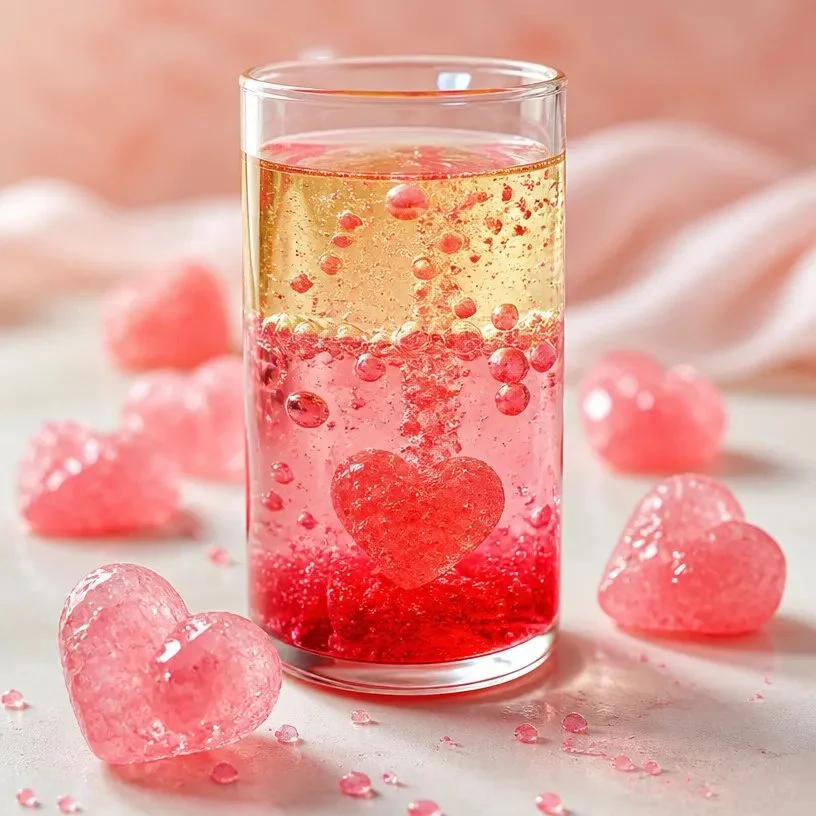
Once your Valentine’s Day science experiments are completed, the fun continues. The creations can serve multiple purposes, whether as gifts for loved ones or displays of friendship. Brightly colored fizzies can be delightful additions to a sensory jar. They can also create cheerful decorations in your home, drawing smiles during everyday moments.
Children can enjoy watching their fizzies dissolve in a tub of warm water, enveloping the bathroom with a rainbow of colors. This engages them in the joyful spirit of the occasion while allowing them to revisit their creations through play.
How to Store or Reuse Valentine Science Experiments for Kids
To ensure your project lasts and continues to bring joy, consider the best methods for storage. If you’ve made fizzies using molds, allow them to air dry completely before gently removing them. Store them in an airtight container away from moisture to preserve their vibrancy.
If your experiments involve compounds that may not last indefinitely, consider discussing the science behind their ingredients to spark further curiosity. Discuss how the reactions occur and how different ingredients interact. Emphasize the idea that even the transitory nature of some projects can be celebrated.
Gentle Tips & Variations
Here are a few gentle invitations to expand your experiments:
- Experiment with different shapes and sizes using cookie cutters as molds; this adds variety and visual interest.
- Have a color experimentation day by mixing colors to see how new shades can be created from primary hues, enhancing learning.
- Incorporate a discussion on the science behind each reaction, explaining how these materials interact to cause fizzing and bubbling. This will spark deeper interest.
- Blend sensory play by engaging your little ones with additional textures like rice or sand to create contrasts in the experiment.
FAQs About Valentine Science Experiments for Kids: Easy STEM Activities
What age is suitable for these experiments?
These activities are wonderful for preschool and early elementary-aged children. With guidance, even older kids can enjoy the fun and engage in discussions about the science behind it.
Are these experiments safe?
Yes, the materials used, such as baking soda and vinegar, are safe for children. Always supervise younger kids, and ensure clean-up is part of the fun.
Can I do these experiments outdoors?
Definitely! Set up a table outside for a delightful nature-filled science session. The extra space can help keep things tidy.
What if my mixture doesn’t fizz?
If your mixture doesn’t bubble, check the ingredients. Fresh baking soda and vinegar are essential for the reactions. Encouraging children to troubleshoot offers precious learning moments.
How can I make this more educational?
Incorporate math by measuring ingredients together or talk about the chemical reactions happening during the experiments.
Conclusion
Creating Valentine science experiments with your kids is more than a craft; it’s an opportunity for connection, exploration, and joy. Each playful reaction reinforces curiosity and emphasizes the beauty of learning through hands-on activities. For more ideas, you may want to explore 12 Valentine’s Day STEM Activities or discover even more fun experiments with Valentine’s Day Science Experiments for Kids. Embrace the delight that comes with creating and experimenting together this Valentine’s season.
PrintValentine Science Experiments for Kids
Delightful Valentine science experiments that blend education with fun, perfect for fostering creativity and connection with children.
- Prep Time: 10 minutes
- Cook Time: 0 minutes
- Total Time: 10 minutes
- Yield: 4 activities
- Category: Educational Activity
- Method: Hands-On Experimentation
- Cuisine: N/A
- Diet: N/A
Ingredients
- Baking soda
- Vinegar
- Food coloring
- Small containers or cups
- Heart-shaped molds (optional)
- Measuring spoons
- Paper towels
Instructions
- Start by gathering your materials on a clean, flat surface.
- Add two tablespoons of baking soda to each small container.
- Pour in one tablespoon of vinegar slowly for bubbling reaction.
- Add a few drops of food coloring and watch the colors swirl.
- Optional: Pour the mixture into heart-shaped molds to create fizzies.
- Repeat the process with different color combinations or amounts.
Notes
Encourage children to explore different shapes and colors, enhancing their learning experience.