

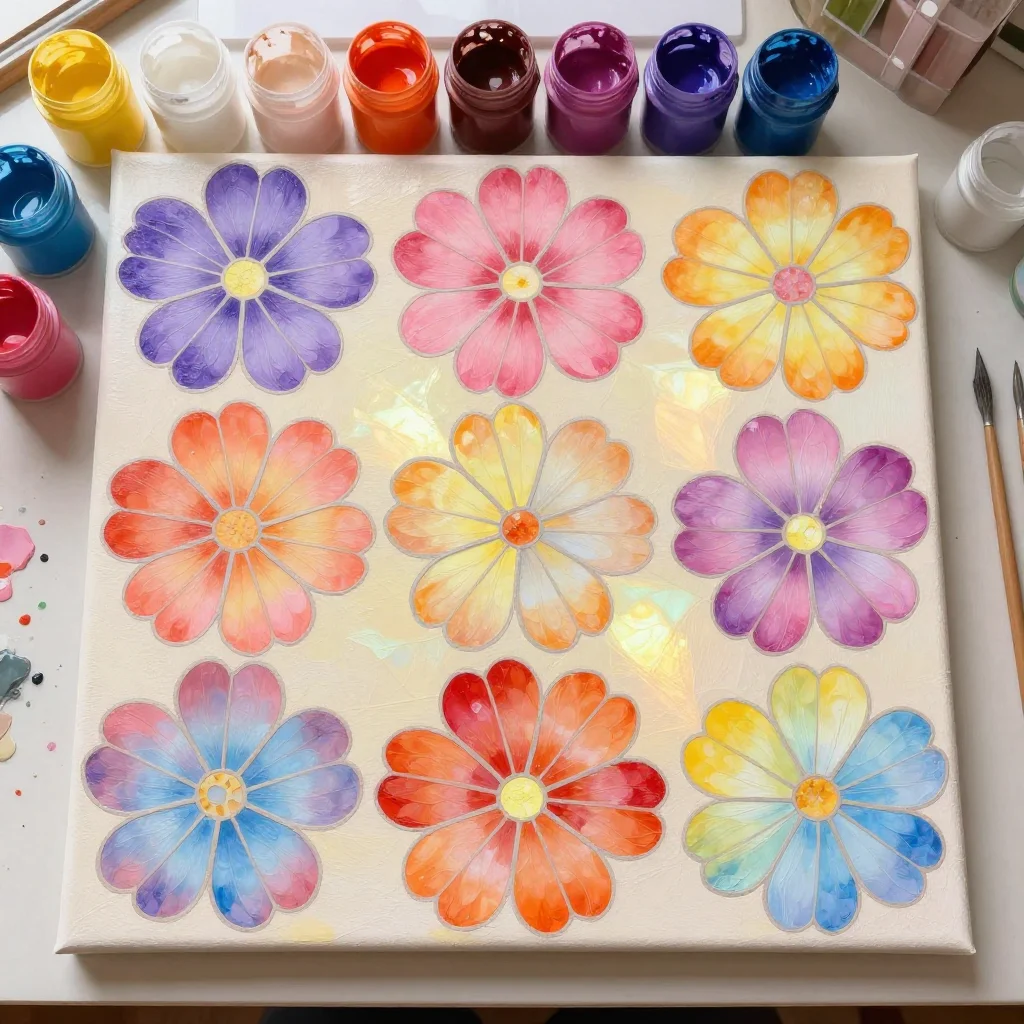
Creating with sugar water brings a soothing sensory experience that gently draws you in. As the bright colors slowly blend and swirl, the thick, sticky texture guides your hands, encouraging a calm focus. The soft rustle of paintbrush bristles brushing against the paper adds a subtle rhythm, creating a meditative moment in your day. This inviting project, known as sugar water painting for kids, offers a comforting canvas for creativity, inviting children and adults alike to explore their artistic side while grounding themselves in the simple joy of making.
The Heart Behind This DIY
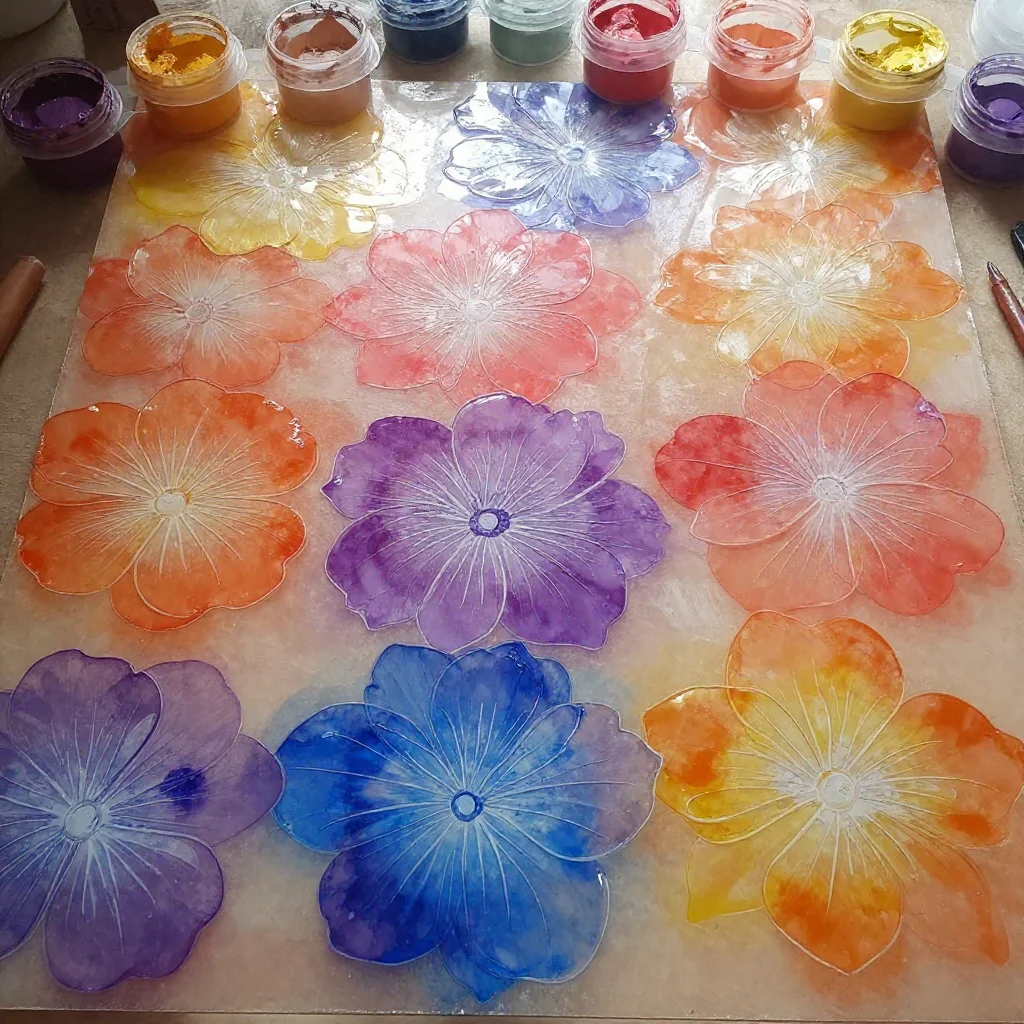
Sugar water painting helps create a peaceful space filled with creativity. The colors you blend and the textures you feel connect you with each moment of the process. Using materials that are familiar – sugar, water, food coloring – makes it accessible and inviting. It’s a reminder of simple pleasures found in childhood.
As the syrupy paint flows across the paper, it becomes a bridge to mindfulness. Each stroke encourages you to immerse yourself fully in the task. The combination of crafting and creativity fosters a sense of accomplishment and joy. There is something profoundly satisfying about watching the colors react, merge, and create unique designs. This project slows down time, inviting you to engage with the present.
A Gentle Look at the Process
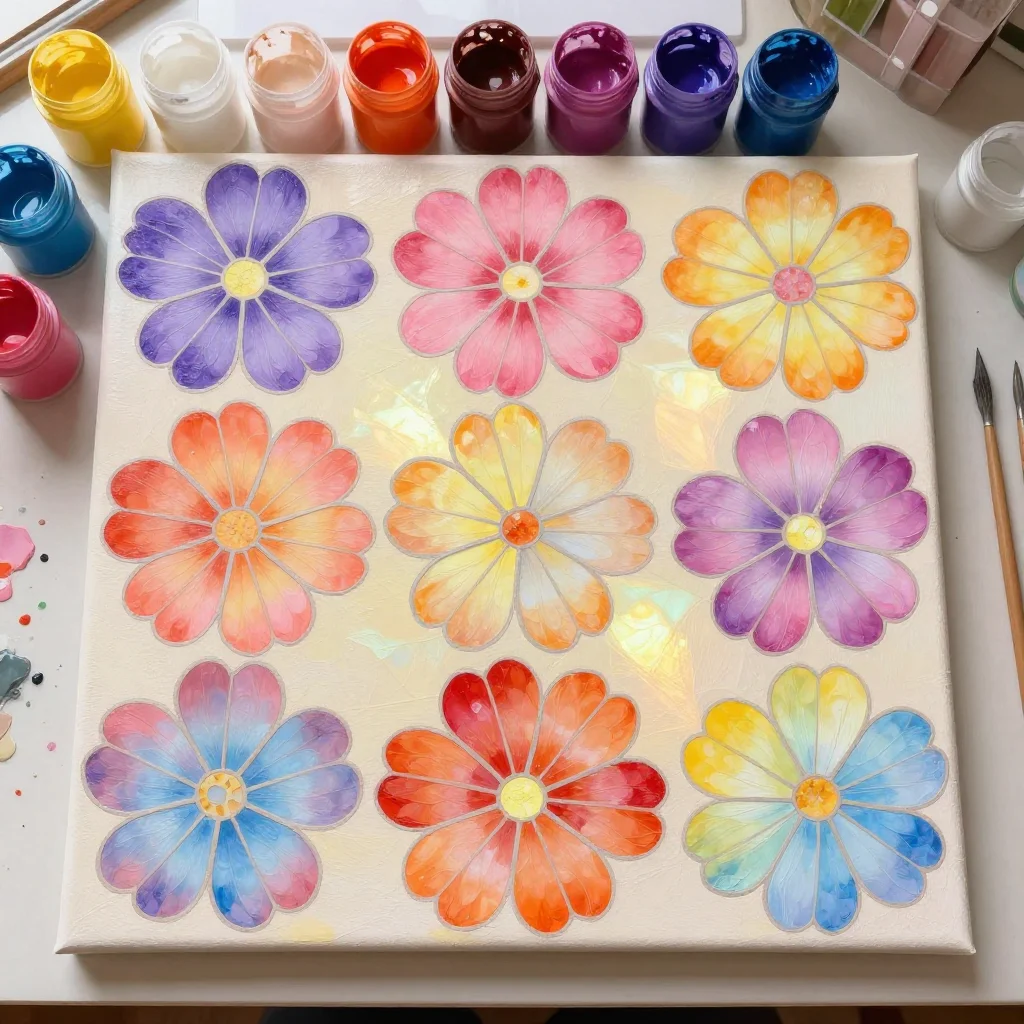
Before diving into sugar water painting, take a moment to envision the process. You’ll find yourself savoring the rhythm as you mix water with sugar, feeling the granules dissolve into a sweet, glossy solution. The practice invites a gentle flow of movement. Each brushstroke unfurls possibilities tiny swirls, big shapes, or delicate dots.
As you gather your materials, allow yourself to breathe slowly. Notice the sounds the swishing of paint, the soft pat of a brush, or the gentle crinkle of paper. These small sounds create a cozy atmosphere perfect for exploration. This project invites a sense of wonder, making it easy to focus and engage.
Gathering Your Materials
To create beautiful sugar water paintings, you’ll need the following supplies:
- Granulated sugar (easy to find)
- Warm water
- Food coloring (liquid works best; optional to use natural dyes)
- Mixing brush or stick
- Small bowls or cups for mixing
- Thick paper or cardstock (sturdy enough to hold the wet paint)
- Paintbrushes (various sizes are great for different effects)
You can find these materials at home or easily gather them from local stores. Feel free to experiment with colors and amounts based on your preference.
Step-by-Step Directions
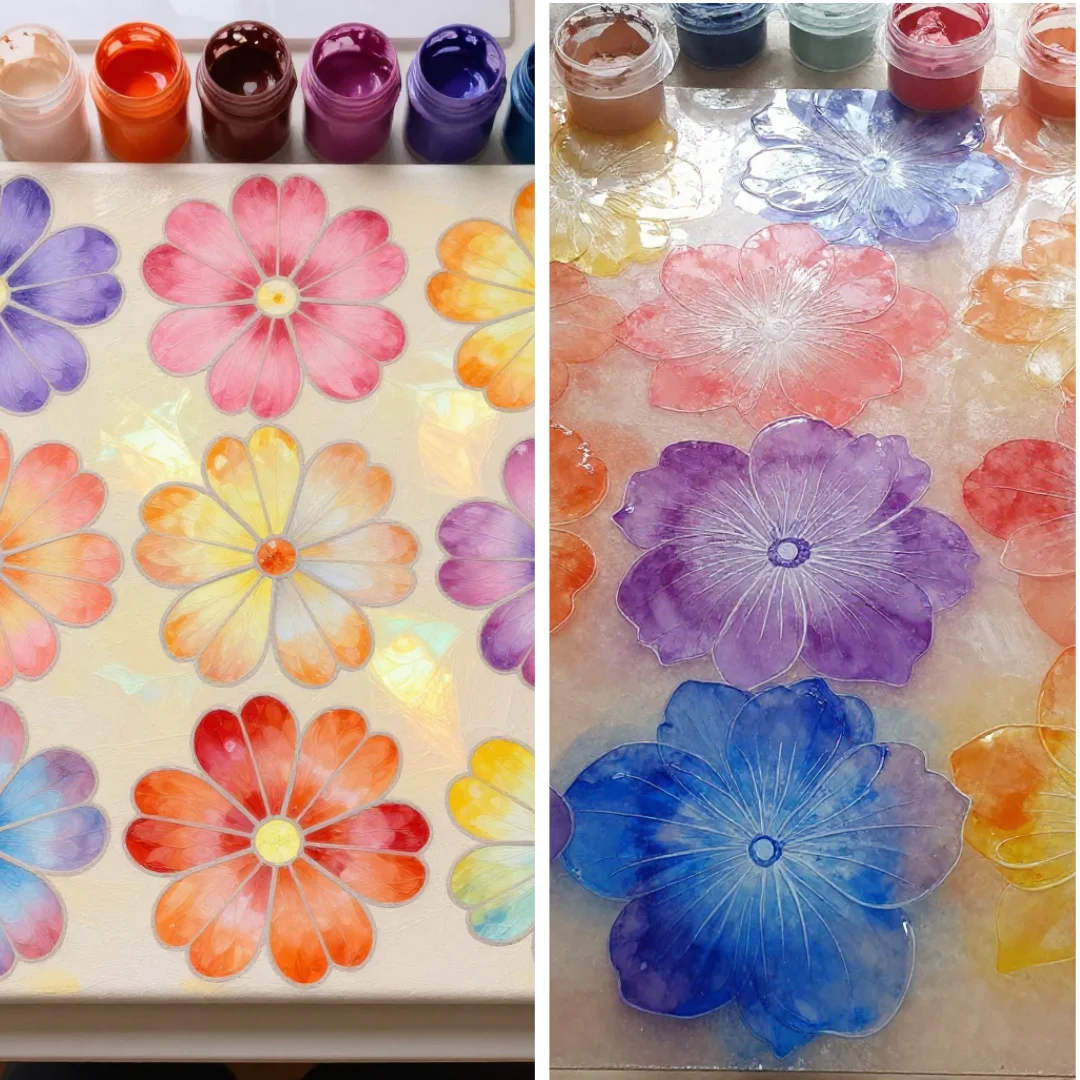
Begin by mixing warm water and granulated sugar. Use about one tablespoon of sugar to every tablespoon of water. Stir gently until the sugar dissolves completely, creating a thick syrup.
Divide the sugar water mixture into small bowls. The number of bowls depends on the number of colors you want to create.
Add a few drops of food coloring to each bowl, experimenting with color combinations. Stir slowly to blend the colors gently.
Choose a sheet of thick paper and place it flat on your working surface. Ensure the area is covered to catch any drips.
Now, dip your paintbrush into a cup of colored sugar water and start painting. You can create swirls, lines, or even shapes. Move at your own pace, allowing your creative instincts to guide you.
If you want to add more colors, allow the first layer to dry slightly before adding more details. This will help prevent colors from blending together too much.
Once you’re satisfied with your artwork, place it somewhere to dry completely. You can even watch as it takes on a glossy finish as it sets.
Sit quietly for a moment, reflecting on the colors and patterns you’ve created. Notice how the experience feels, allowing it to settle in your mind.
Where This DIY Fits Into a Calm Routine
The finished sugar water painting can transform your space into a reflection of your creativity. Once dry, these artworks can become cheerful decorations for your home or gifts for loved ones. They bring a touch of color and warmth, inviting others to enjoy the effort and thought you put into each piece.
You can hang them on a wall, display them on a shelf, or frame them beautifully. Watching your creations brighten a room can reinforce the joy of slow-making and mindfulness, reminding you of the calming journey you embarked upon while crafting.
Caring for Your Finished DIY
Storing your sugar water paintings helps to preserve your artistic creation. It is essential to keep them in a dry place to prevent smudging or fading. If you wish to display them, find a spot away from direct sunlight to maintain their vibrant colors.
If you create multiple pieces, consider using a portfolio or an art folder for storage. This collection of work can remind you of the joy of crafting on days when you wish to revisit that comforting experience. You might even choose to share them or use them in a special way.
Small Ways to Make It Your Own
As with any creative endeavor, sugar water painting offers plenty of room for personal expression. Here are some gentle invitations to customize your experience:
Try different types of paper, such as canvas or watercolor paper, for various textures and finishes.
Experiment with natural dyes made from fruits or vegetables instead of food coloring. This adds another layer of sensory exploration.
Create patterns or shapes using a wax crayon under your sugar water paint. The wax will resist the paint, revealing unique designs.
Incorporate salt by lightly sprinkling it onto your wet painting. It will create beautiful textures as it absorbs the surrounding color.
Invite friends or family to join in, turning it into a communal experience. Sharing thoughts and techniques can deepen the joy of creating.
FAQs About Sugar Water Painting for Kids
What is sugar water painting?
Sugar water painting is an engaging art activity where a mixture of sugar and water serves as paint. Adding food coloring creates vibrant hues. Children can explore colors and textures as they paint on paper.
Is this project safe for children?
Yes, sugar water painting is a safe activity for kids. All materials used to make it are non-toxic and easy to clean up. Supervising children during the process can further enhance their safety.
How long does the painting take to dry?
Drying time can vary based on how thickly the paint is applied. Generally, thin layers will dry in a few hours, while thicker applications may take longer. It’s best to leave them overnight.
Can I reuse leftover sugar water paint?
Leftover sugar water paint can be stored in a sealed container in the refrigerator for a few days. Give it a gentle stir before reusing; however, for best results, make fresh mixtures for a new session.
How can I encourage creativity while making?
Engage with your child by expressing excitement about their ideas. Ask open-ended questions or suggest themes while allowing them to explore freely. Cultivating an encouraging atmosphere builds confidence.
Conclusion
Creating sugar water paintings offers not only a beautiful project but also a pathway to mindfulness and creativity. Each brushstroke invites a moment of calm and reflection, making the process just as rewarding as the outcome. You may find inspiration in more artistic techniques by exploring sugar water painting techniques for kids or in beautiful examples of projects like a glossy sugar painting sunflower. Enjoy your journey of making, and remember to savor the process as much as the creation!
PrintSugar Water Painting for Kids
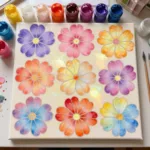
A soothing and engaging art project using sugar water and food coloring, perfect for kids and adults to explore creativity.
- Prep Time: 10 minutes
- Cook Time: 0 minutes
- Total Time: 10 minutes
- Yield: 1 painting
- Category: DIY Project
- Method: Painting
- Cuisine: N/A
- Diet: N/A
Ingredients
- 1 tablespoon granulated sugar
- 1 tablespoon warm water
- Food coloring (liquid or natural dyes)
- Mixing brush or stick
- Small bowls or cups for mixing
- Thick paper or cardstock
- Paintbrushes (various sizes)
Instructions
- Begin by mixing warm water and granulated sugar. Stir until dissolved.
- Divide the sugar water mixture into small bowls.
- Add a few drops of food coloring to each bowl.
- Choose a sheet of thick paper and place it flat on your working surface.
- Dip your paintbrush into the colored sugar water and start painting.
- If you want to add more colors, allow the first layer to dry.
- Once satisfied with your artwork, place it somewhere to dry completely.
- Sit quietly for a moment, reflecting on your creation.
Notes
Experiment with different textures and papers, and consider inviting friends or family to join in the fun and creativity.