
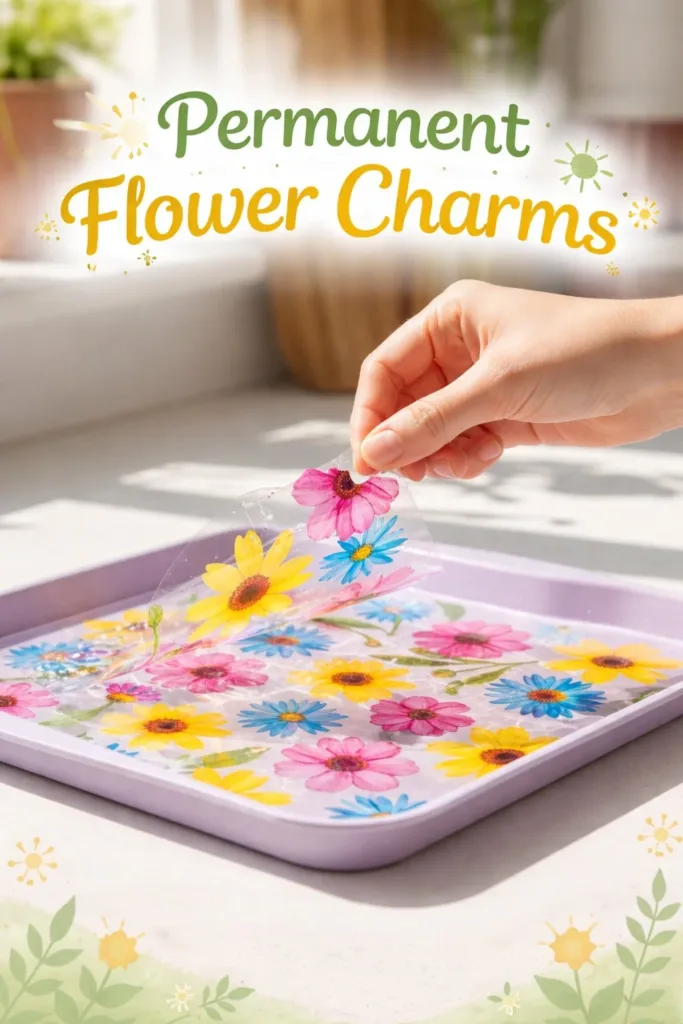
The afternoon light slips through a small glass jar, catching the delicate veins of a pressed blossom, and my hands move slowly to set it into a tiny charm. The soft rasp of paper, the cool gloss of resin, and the warm weight of the finished charm rest together like a quiet promise. Making Permanent Flower Charms asks you to notice texture, color, and breath, so the act itself becomes the calm work. If you have loved the gentle clarity of my crystal flower projects, this idea will feel like a natural next step from another cozy page.
Why Permanent Flower Charms Feels Comforting to Create
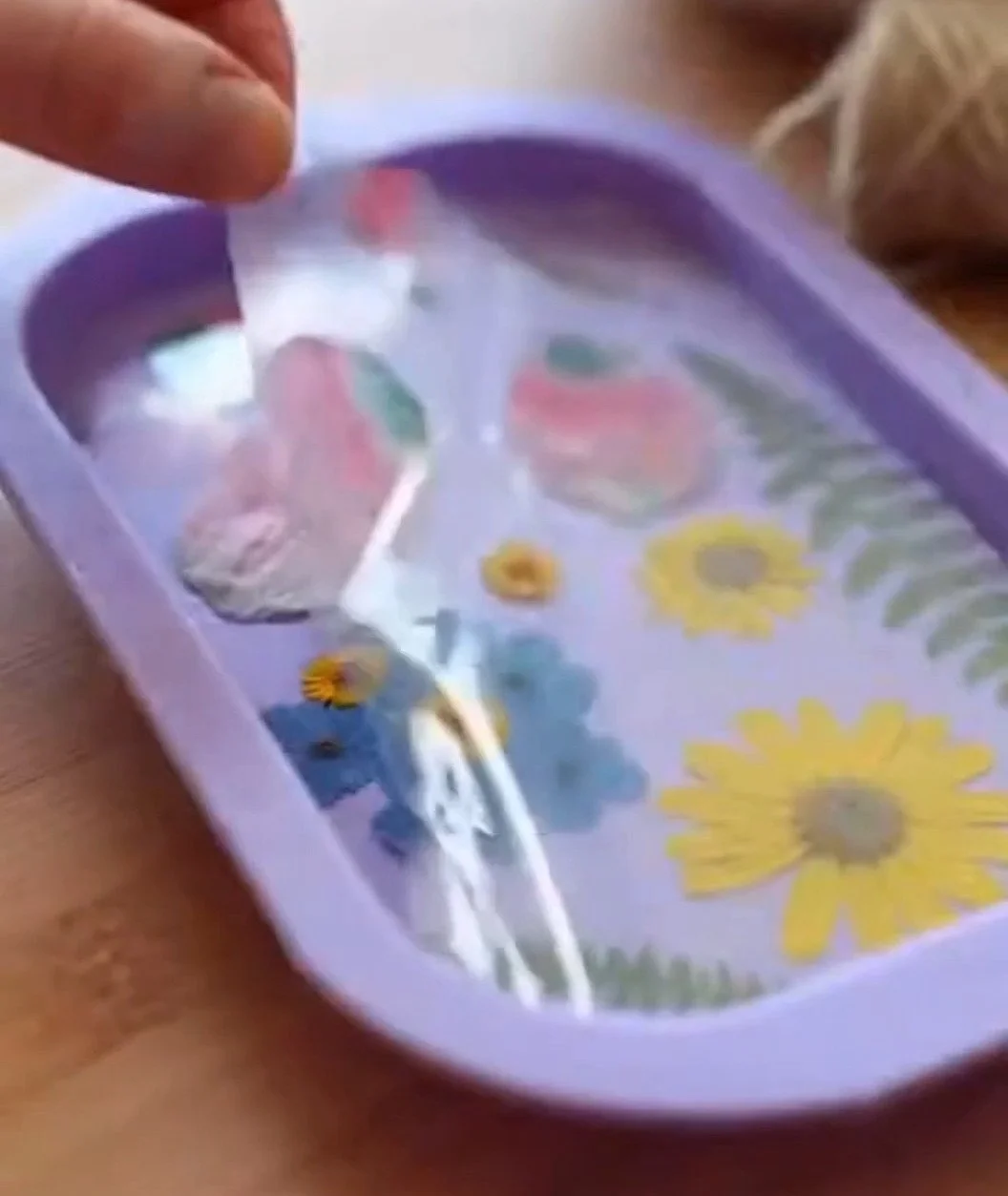
There is a slow rhythm in this craft. You press a petal, you wait, you watch the color deepen under light. Each tiny step asks you to be present and to hold a small space of time for something beautiful.
The materials invite soft attention. Dried petals are fragile and whisper-thin. Resin moves like honey, glossy and forgiving. The tools respond to gentle pressure, not force. This combination asks for care, not speed.
Making charms also keeps memories easily carried. A single preserved bloom can hold a place, a season, or the memory of a day. You may tuck a charm into a chain, a keyring, or the edge of a journal and feel that memory near your hands.
I find the sensory details calm me. The scent of pressed flowers sometimes lingers faintly. The tactile contrast between matte petals and glossy resin gives a pleasing tension. If you enjoyed learning to coax shape and light from crystals, you might like trying this companion project that mixes floral softness with a lasting finish that gentle practice.
The Flow of Making Permanent Flower Charms
The process moves in a few thoughtful stages. You collect and prepare flowers, choose a small mold or setting, mix resin, and place each element into its final home. Each stage has a different pace and a different set of senses to focus on.
Preparing flowers asks for quiet observation. You note which petals hold color, which have delicate lines, and which need more drying. Mixing resin introduces a tactile rhythm. You stir slowly, feeling viscosity change and watching air bubbles rise and pop.
As you place petals in the resin, you work like a quiet composer. You arrange shapes for balance and let the resin flow to meet them. The curing waits ask you to soften your tempo and hold expectancy. This waiting becomes part of the calm.
I will share practical touches as we go. These suggestions come from many small afternoons of making, from learning which petals keep color best to noticing how temperature affects curing. These moments matter more than perfection.
Materials You’ll Need
- Small pressed flowers and petals, fully dried (easy to find in nature or from a craft store)
- Clear casting resin and hardener, suitable for small jewelry or charms
- Silicone charm molds or small bezel pendant settings (substitute-friendly)
- Mixing cups and stirring sticks, disposable or easy to clean
- Fine tweezers for placing petals gently
- A small torch or heat source to remove bubbles, optional
- Nitrile gloves and a well-ventilated workspace for safety
- Sandpaper or a fine file for smoothing edges, optional
- Jump rings and small pliers for finishing charms
- A soft cloth for final polishing
Note on resin choice: use a resin formulated for jewelry. These resins cure clear and remain stable without yellowing quickly. I choose low-odor, UV-resistant resin when I can. The silicone molds are forgiving and release the charm smoothly.
Materials note: you may substitute a bezel and pour method instead of molds if you prefer a framed look. If you like experimenting with light and translucency, these bioplastic suncatcher recipes offer similar floral preservation in a softer sheen that pattern.
Step-by-Step Directions
- Prepare your flowers and workspace.
Wear nitrile gloves and set items on a clean cloth.
Lay petals flat and choose which ones you want together.
Keep lighting soft and steady to see colors clearly. - Choose your mold or bezel and test fit.
Place the largest petal first, then layer smaller bits.
Use tweezers to avoid smudging or bending petals.
Decide on orientation before resin arrives. - Mix the resin carefully by volume.
Measure resin and hardener exactly as labeled.
Stir slowly to avoid trapping air bubbles.
Scrape the sides and bottom with your stick as you stir. - Pour a thin base layer into the mold.
This cushions the petals and helps them float less.
Wait a few minutes for surface bubbles to settle.
If bubbles form, gently pop with the tip of a stirring stick. - Place petals with tweezers, adjusting gently.
Arrange for balance and let edges breathe.
Lay petals into the thin layer so they do not fold.
Work slowly, noticing how each petal catches light. - Pour resin to cover the petals fully.
Pour slowly along the side so resin flows gently.
Leave a small margin if you plan to sand edges later.
If bubbles climb, use a small torch in short bursts. - Allow the resin to cure undisturbed.
Cover the mold with a dust-free box or cup.
Keep the piece at the recommended temperature.
Curing can take from hours to a day depending on resin. - Unmold and finish edges as needed.
If the edges feel sharp, sand lightly with fine grit.
Wash or wipe off dust and polish with a soft cloth.
Attach jump rings and connectors with gentle plier movements. - Let the finished charm rest and settle.
Wear or display it after a final day of curing.
Notice the way light plays through the petals.
Keep it in mind as a small portable memory.
Each step holds room for mindful pauses. I often take a breath and touch nothing for a moment before moving to the next action. The charm benefits from this calm.
Using Permanent Flower Charms in Everyday Life
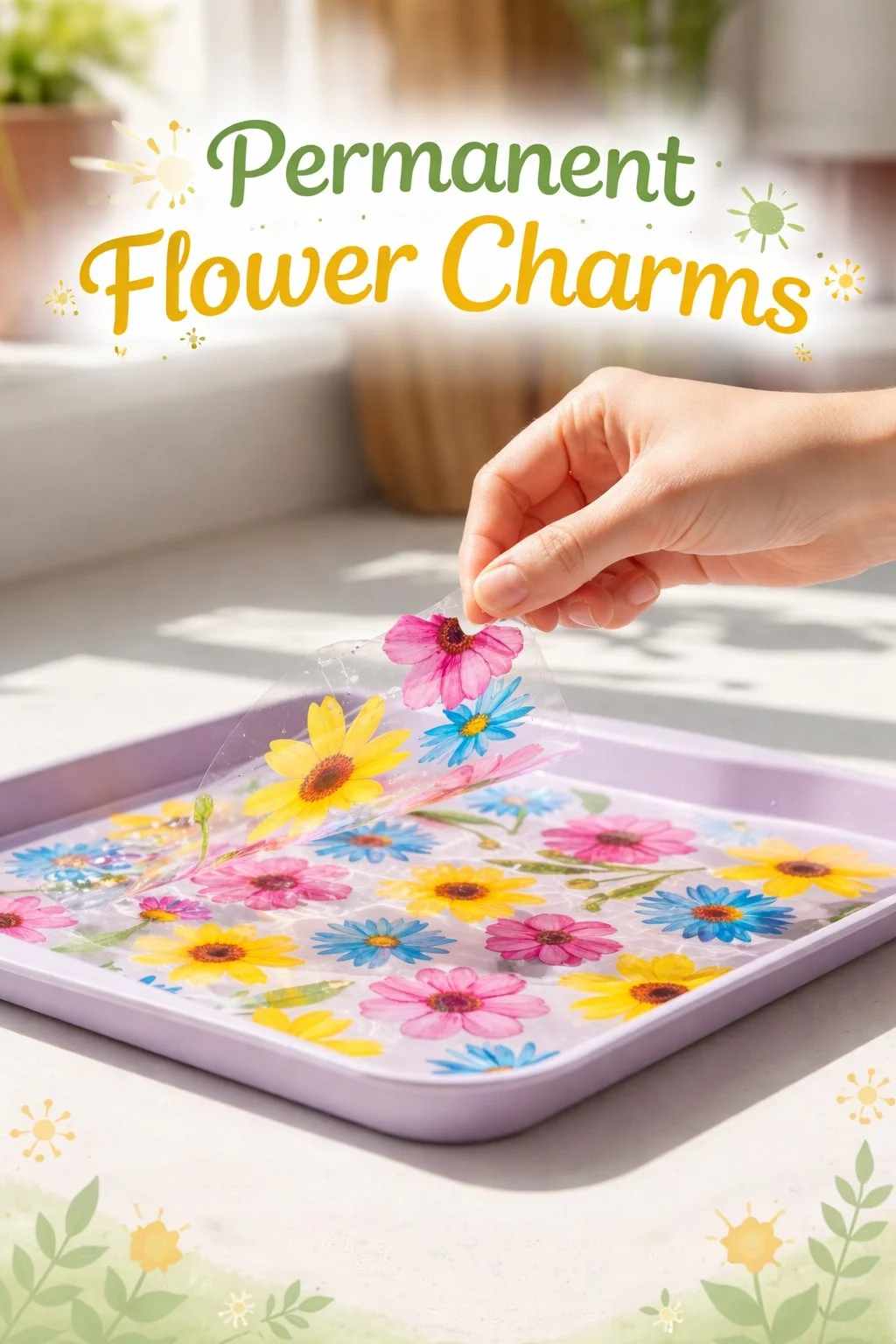
A charm feels tender in daily life. You can attach one to a necklace and feel it rest against your chest. You can clip a charm to a keyring and touch it as you move through your day. The small scale helps it fit into quiet moments.
Consider gifting a charm as a pocket-sized comfort. A charm made from a flower that grew in a friend’s garden becomes a shared token. The act of giving invites stories and slows a conversation into memory.
Charms also work as small decorative accents. Hang one on a zipper pull, pin it to a bag, or tuck it into a notebook as a page marker. These uses let the charm rest in different light and let you notice it in varied settings.
If you enjoyed making translucent floral suncatchers, this charm work shares similar sensibilities but focuses on a wearable scale. See how floral elements catch light in different projects and choose textures that feel right for your pace in those gentle projects.
Making This DIY Last
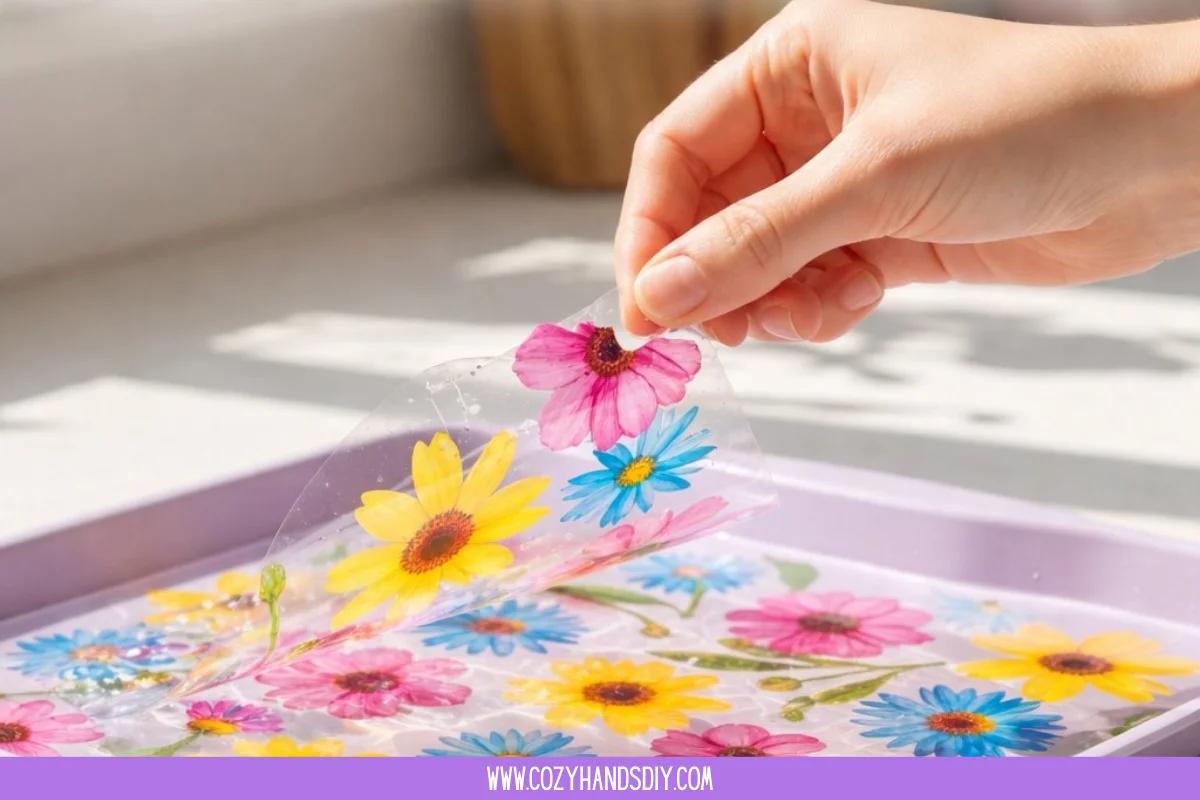
Store charms thoughtfully to keep their color and shine. Avoid long exposure to direct sunlight. A soft pouch or a lined jewelry box prevents scratches and dust. If a charm gathers dust, a gentle wipe with a soft cloth usually restores clarity.
Resin holds up well with regular care. If a charm loses shine over time, a gentle polishing compound made for jewelry can refresh the surface. Do not use harsh chemicals. Keep charms away from perfumes and body lotions when possible, as oils can dull the surface over long periods.
If a charm separates from its jump ring, use pliers to reattach it. Silicone molds can become gummy with repeated use; wash them with mild soap and warm water, then dry completely before the next pour. Keep leftover resin sealed and stored at the temperature recommended by the manufacturer.
For long-term safety, label any stored resin with its purchase date and shelf life. I keep a small notebook of resin brands and how they behaved, which helped me learn which ones yellowed less and cured more clearly. These small records make future projects smoother.
Gentle Tips & Variations
Invite small changes slowly and with curiosity.
- Try embedding tiny leaves or fern bits for graphic veins.
Leaves often hold structure better than petals and give striking lines. - Use a colored mica powder sparingly in the resin for a soft glow.
A whisper of color can make petals pop without overwhelming them. - Press petals between glass for a day longer than you think you need.
Extra dryness helps prevent dark spots in the finished piece. - Make a set with matching flowers from a walk or garden.
A trio of coordinated charms creates a gentle collection.
Each variation invites a different rhythm. I like to test one small change at a time so I can learn how it affects the finish and how it feels to hold the charm. The experiment becomes part of the pleasure.
FAQs About Permanent Flower Charms
Can I use fresh flowers in resin?
Fresh flowers contain moisture and can cloud resin. Dry flowers fully before embedding to avoid bugs or mold. Pressing or air-drying until petals feel papery gives the most reliable results.
Is resin safe to use at home?
Resin can be safe with simple precautions. Work in a ventilated area, wear nitrile gloves, and follow the manufacturer’s instructions. Keep resin away from children and pets while curing.
How long will the charm keep its color?
Properly dried flowers held in UV-resistant resin can keep color for years. Avoid constant direct sunlight to slow any fading. Storing in a cool, dark place when not worn extends color life.
What if tiny air bubbles appear?
Small bubbles often rise and pop as the resin settles. You can also use a small torch or a heat gun briefly at a distance to reduce bubbles. Work quietly and slowly to minimize stirring air into the mix.
Can I resize this into a ring or larger pendant?
Yes. Use appropriately sized molds and allow for a thicker pour for rings or larger pendants. For rings, consider how the charm will sit on a finger and sand edges well for comfort.
A Gentle Note Before You Go
When you finish a charm, take a moment to hold it and recall the place the flower came from. Feel the texture between fingertips and the way light moves through the petals. Let the charm be a small reminder to slow down and notice.
Making Permanent Flower Charms connects small hands-on acts with quiet memory keeping. The project allows room for gentle mistakes and small experiments. It asks you to listen to materials and to move at a pace that feels calm and steady.
If you want to explore more flowers and making methods, I keep a soft collection of related projects and notes that pair well with this charm process. You will find more ways to play with shape and shine in kindred projects that focus on floral light and gentle craft.
Conclusion
If you want to explore where to find delicate, finished parts to speed up your making, I like these curated flower charm pieces from a small maker that pair beautifully with hand-pressed petals. For spare metal findings and a range of small charms suited for permanent jewelry, consider browsing the charms collection at a specialized supplier to find pieces that match your aesthetic.
Thank you for spending this quiet making time with me. I hope the process gives you a little more calm each time you pick up a petal and a resin cup.
PrintPermanent Flower Charms
Create beautiful, lasting flower charms using pressed petals and resin that hold memories and add a touch of floral beauty to your everyday life.
- Prep Time: 30 minutes
- Cook Time: 0 minutes
- Total Time: 30 minutes
- Yield: 2-4 charms
- Category: Craft
- Method: Crafting
- Cuisine: N/A
- Diet: N/A
Ingredients
- Small pressed flowers and petals, fully dried
- Clear casting resin and hardener
- Silicone charm molds or small bezel pendant settings
- Mixing cups and stirring sticks
- Fine tweezers
- A small torch or heat source (optional)
- Nitrile gloves
- Sandpaper or a fine file (optional)
- Jump rings and small pliers
- A soft cloth for polishing
Instructions
- Prepare your flowers and workspace.
- Choose your mold or bezel and test fit.
- Mix the resin carefully by volume.
- Pour a thin base layer into the mold.
- Place petals with tweezers, adjusting gently.
- Pour resin to cover the petals fully.
- Allow the resin to cure undisturbed.
- Unmold and finish edges as needed.
- Let the finished charm rest and settle.
Notes
Use a UV-resistant resin for the best results, and store charms thoughtfully to maintain color and shine.