

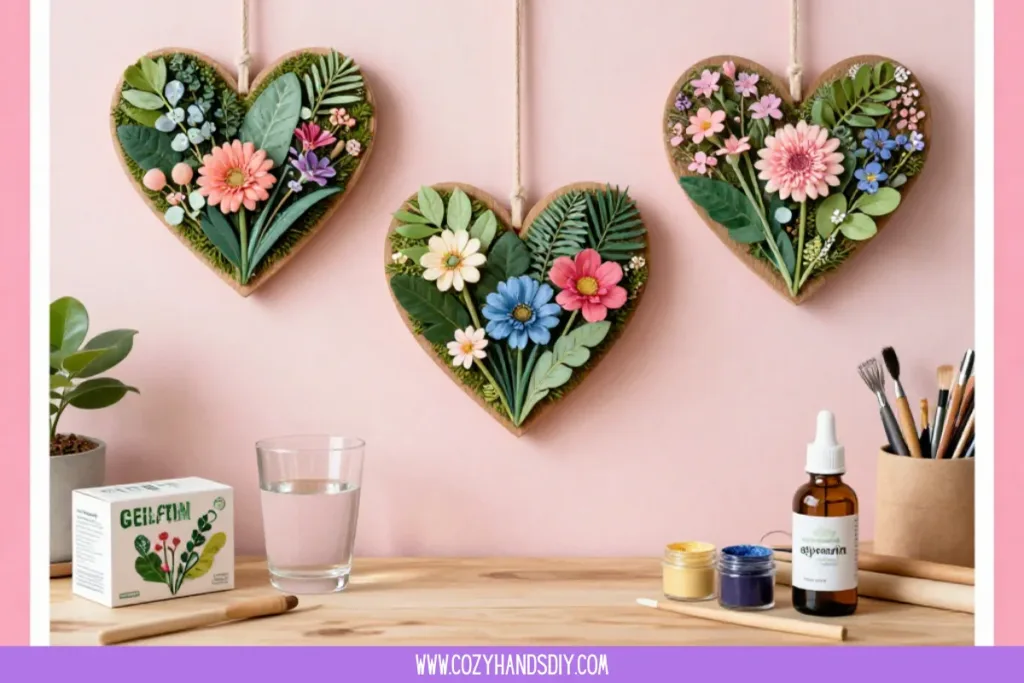
Creating Eco-friendly Plant Art allows us to delve into a world of tranquility and tactile exploration. Imagine the soft brush of bamboo bristles against a textured canvas, the earthy scent of natural paints mixing with the light warmth of the sun streaming through the window. Engaging with materials that honor nature brings a sense of peace and presence, gently inviting us to slow down and embrace the moment. The vibrant greens and subtle earth tones of plant-inspired hues fill the air with promise and creativity. This act of making becomes a meditation, a quiet way to bring life and beauty into our spaces.
The Heart Behind This DIY
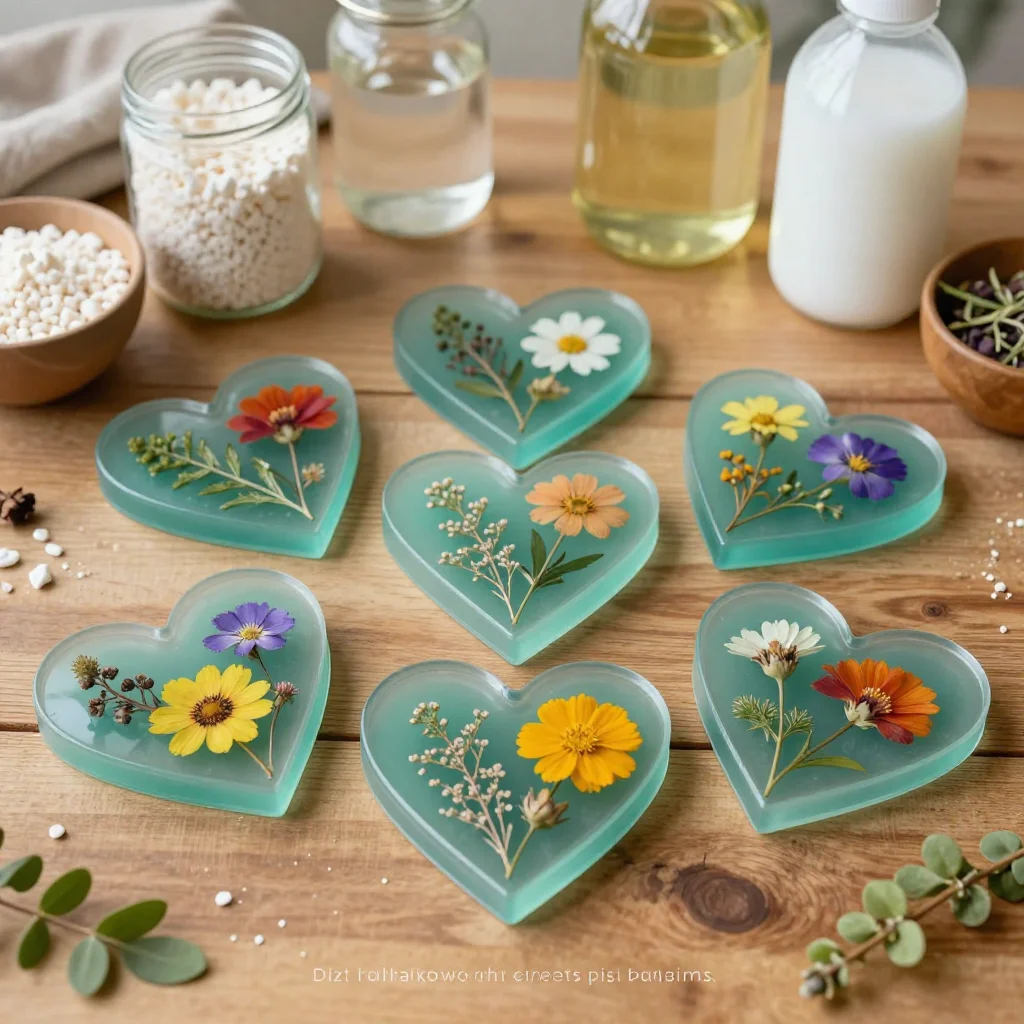
Crafting Eco-friendly Plant Art stirs a unique joy by connecting us with nature’s rhythms. Each step of this process offers an opportunity to engage our senses and find comfort in the simplicity of creation. The act of mixing plant-based paints, feeling the smoothness of the canvas, and watching the colors blend opens a door to mindfulness. It encourages a deliberate pace that can calm the mind.
As we create, we focus not only on the artwork itself but also on the materials and techniques that respect our environment. This sense of stewardship cultivates a deeper appreciation for the planet. Working with eco-friendly supplies transforms the moment into a celebration of sustainability. The experience of crafting becomes an invitation to reflect on our relationship with the Earth while fostering a serene atmosphere in our daily lives.
The Flow of Making Eco-friendly Plant Art
The beauty of making Eco-friendly Plant Art lies in the gentle process of bringing ideas to life. Imagine the cool, smooth surface of the canvas as you prepare to paint. Each stroke becomes a dance of colors, flowing together in a way that feels unique to your vision. The sound of brushes tapping against the palette and the faint scent of natural pigments guide you through a rhythm that feels both calming and empowering.
Before gathering materials, take a moment to envision your piece. What shapes come to mind? Are there textures or patterns inspired by the lush plants outside your window? Allow these thoughts to shape your direction. With a clear idea and a sense of intention, you create a cozy space for this soothing journey of creativity.
Materials You’ll Need
Gathering your supplies is an exciting step. Here is a gentle list of what you will need to make Eco-friendly Plant Art:
- Canvas or wooden panel (easy to find)
- Natural acrylic paints (look for plant-based options)
- Brushes in various sizes (soft bristles work best)
- Water container (for rinsing brushes)
- Palette or mixing surface (ceramic or glass is ideal)
- Paper towels (for easy cleanup)
- Optional: stencils or natural textures (like leaves for imprinting)
Make sure to take a moment to feel and observe your materials. They hold endless potential for your creative expression.
Step-by-Step Directions
Prepare Your Workspace: Find a quiet spot with good light. Lay out your materials, ensuring everything is within reach. A cozy atmosphere invites creativity to flourish.
Select Your Colors: Choose a palette of plant-inspired colors that resonate with you. Allow yourself to explore blues, greens, and earthy tones. Notice how the colors feel as you lay them out.
Mix Your Paints: Using your palette, blend your colors gently. Feel the texture of the paint as you combine hues. There’s a rhythm in this act that encourages mindfulness.
Sketch Your Design: Lightly draw your intended design on the canvas with a pencil. This initial stage helps ground your vision and provides a gentle guide for your painting process.
Start Painting: Dip your brush into the paint and begin to fill in the shapes. Keep your strokes slow and deliberate, paying attention to how the paint flows. Let your intuition guide you.
Layer the Colors: As each layer dries, add new colors and details. This deepens the visual texture and encourages exploration. Enjoy the layering process; it mirrors nature’s complexity.
Add Final Touches: Step back occasionally to see your work as a whole. Are there areas that need more contrast or softer tones? This reflection helps you fine-tune your piece.
Let It Dry: Once satisfied, set your artwork aside to dry completely. This is a moment to admire your creation without rushing into the next step.
Display Your Art: Find a cozy space in your home to showcase your new piece. Give it the attention it deserves.
Using Eco-friendly Plant Art in Everyday Life
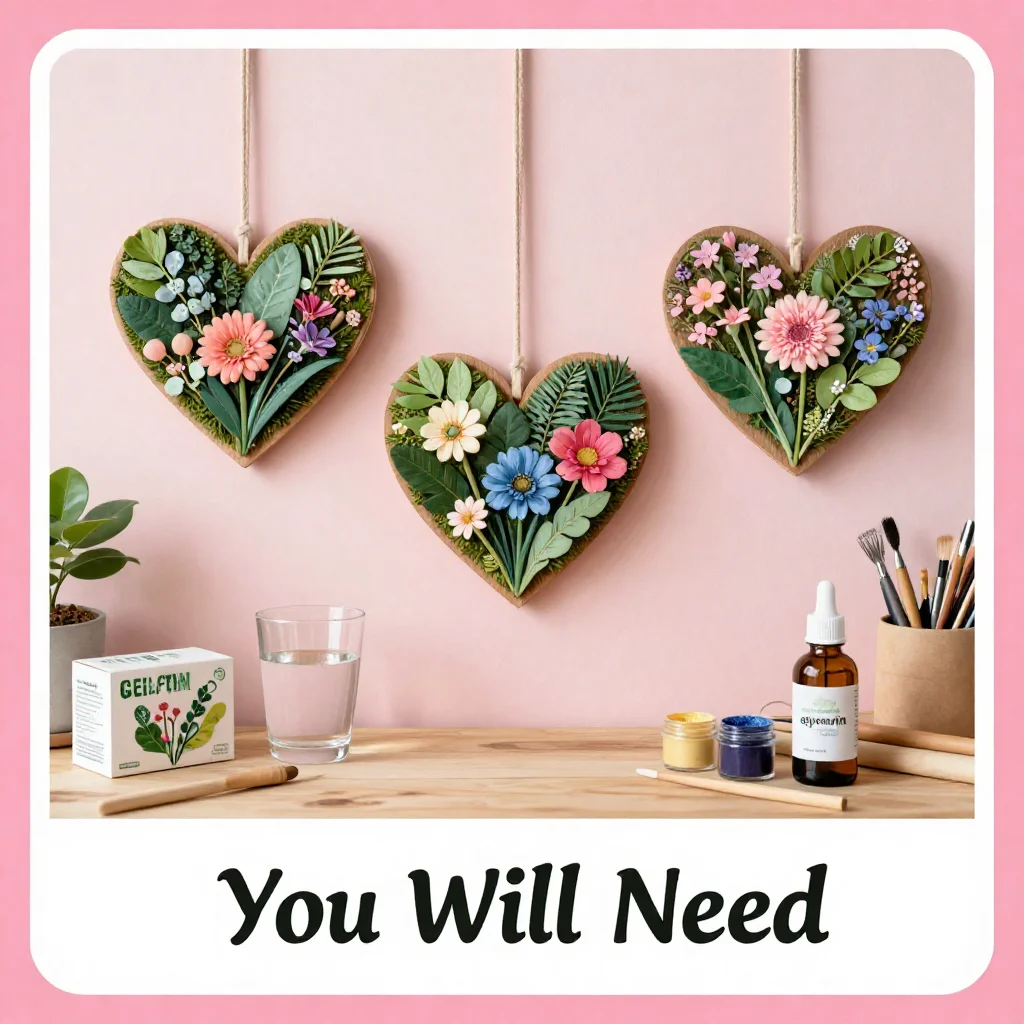
The finished Eco-friendly Plant Art brings both beauty and serenity into your home. Hang it in your living space, a calming corner of your room, or create a little gallery in your hallway. This art piece invites gentle conversations and brings a slice of nature indoors.
You can also use your Eco-friendly Plant Art as a reminder to slow down amidst daily activities. Allow it to inspire you during moments of stress, guiding you back to this creative experience. It serves as a visual anchor, encouraging a mindful pause at any time.
How to Store or Reuse Eco-friendly Plant Art
Storing your Eco-friendly Plant Art properly ensures that it remains vibrant and beautiful. Keep your artwork in a dry area, away from direct sunlight to prevent fading. If you ever choose to change your decor, consider reimagining the piece or gift it to a friend. Sharing your creation can encourage others to explore their creativity as well.
If you make multiple pieces, consider rotating them as seasonal decor, allowing different artworks to take center stage throughout the year. This gives each piece a moment to shine while keeping your environment fresh and inspiring.
Gentle Tips & Variations
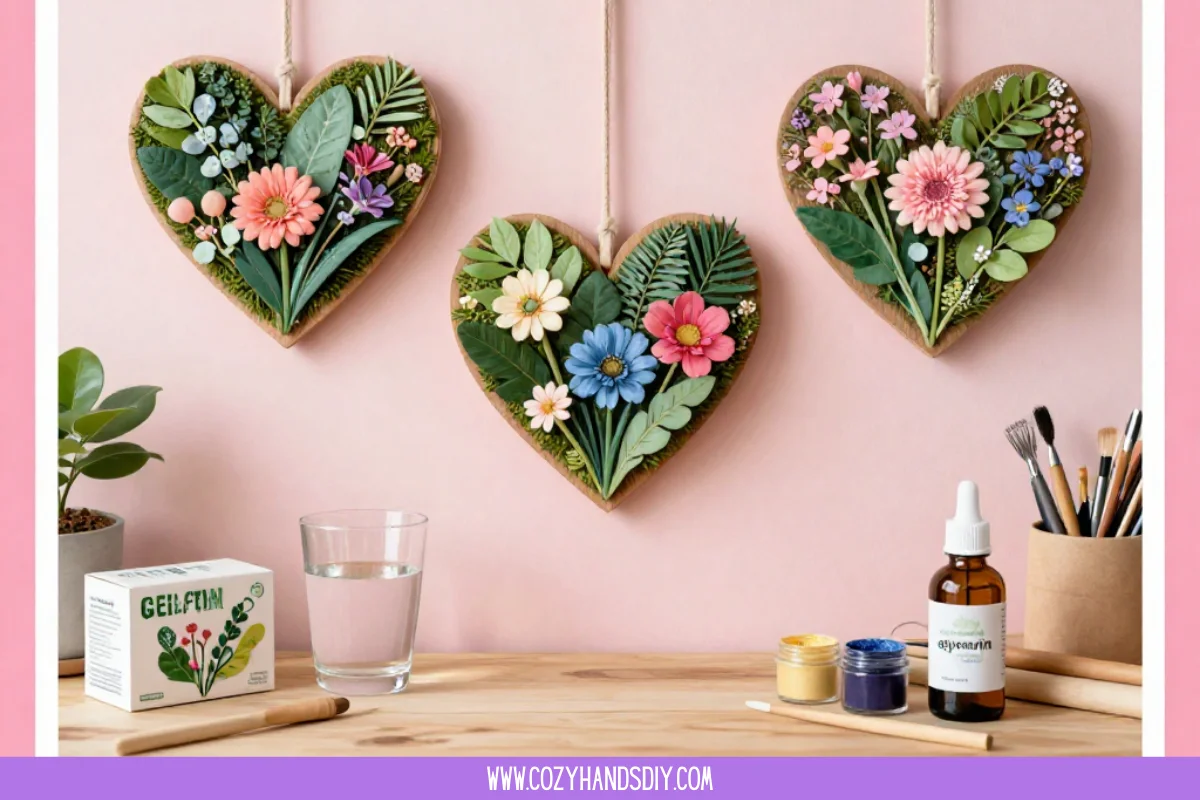
As you create your Eco-friendly Plant Art, consider these gentle tips to nurture your experience:
Explore Different Textures: Use sponges or natural leaves to create interesting patterns. Each material adds a unique sensory experience to your artwork.
Experiment with Sizes: Try working on a larger canvas or even mini art pieces. Each size brings a different flow of creativity.
Add Natural Elements: Incorporate twigs or dried flowers into your design for an additional layer of texture. It connects your art more closely with nature.
Create a Series: Make several pieces that connect thematically, allowing your creativity to expand while you explore your ideas more deeply.
Share Your Journey: Consider journaling about your creative process. Not only does it bring clarity, but it’s also a lovely way to reflect on your artistic journey.
FAQs About Eco-friendly Plant Art
Can I use any canvas for my Eco-friendly Plant Art?
Yes, you can use different surfaces, such as recycled cardboard, wood, or fabric. Just ensure it is clean and ready for painting.
How long does Eco-friendly paint take to dry?
Drying times vary by brand and thickness of application. Generally, it takes a few hours to a day to fully dry, depending on the environment.
Which brushes work best for this project?
Soft-bristled brushes provide a smooth application and allow you to blend colors easily. Experimenting with different sizes enhances your creative process.
Conclusion
Creating Eco-friendly Plant Art offers both a calming escape and an opportunity to express your creativity. The journey of making this art can be just as fulfilling as the final piece you produce. Your artwork not only fills your space with beauty but also reflects your connection to nature and sustainability.
As you embrace this craft, consider exploring more about natural materials and their benefits. For more eco-friendly options, check out Natural & Plant Based Acrylic Paint. Alternatively, if you’re looking to infuse your decor with unique prints, browse through Eco-friendly Soy Ink Art. Whatever you choose, enjoy the gentle process of making and creating for yourself. Let it be a reminder of your ability to bring beauty into the world.
PrintEco-friendly Plant Art
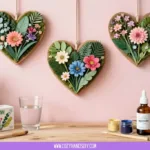
Create beautiful Eco-friendly Plant Art using natural materials and plant-based paints to bring tranquility and creativity into your home.
- Prep Time: 15 minutes
- Cook Time: 0 minutes
- Total Time: 15 minutes
- Yield: 1 artwork
- Category: Craft
- Method: Painting
- Cuisine: N/A
- Diet: N/A
Ingredients
- Canvas or wooden panel
- Natural acrylic paints
- Brushes in various sizes
- Water container
- Palette or mixing surface
- Paper towels
- Optional: stencils or natural textures
Instructions
- Prepare Your Workspace: Find a quiet spot with good light and lay out your materials.
- Select Your Colors: Choose plant-inspired colors that resonate with you.
- Mix Your Paints: Blend your colors gently on the palette.
- Sketch Your Design: Draw lightly on the canvas with a pencil.
- Start Painting: Fill in the shapes with your brush, letting your intuition guide you.
- Layer the Colors: Add new colors as each layer dries.
- Add Final Touches: Step back and refine your artwork.
- Let It Dry: Set aside to dry completely.
- Display Your Art: Find a space in your home to showcase your creation.
Notes
Explore different textures and sizes. Incorporate natural elements for added depth.