

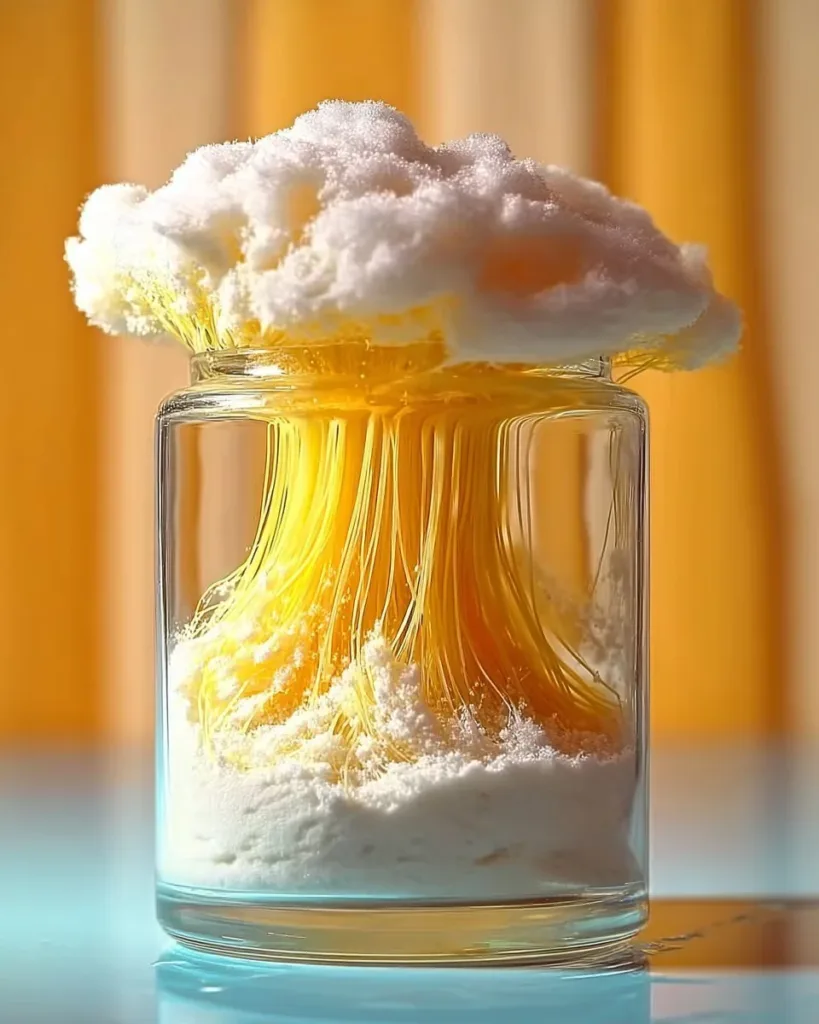
A soft light spills across the table as I set down a clear jar and a small bowl of bright blue water. My fingers trace the cool glass rim, and I listen to the gentle clink of salt as I shake a little into my palm. Making a DIY Salt Volcano Science Experiment feels like holding a tiny, slow-motion storm a quiet push and pull of textures, colors, and sound that asks me to watch and wait.
Why DIY Salt Volcano Science Experiment Feels Comforting to Create
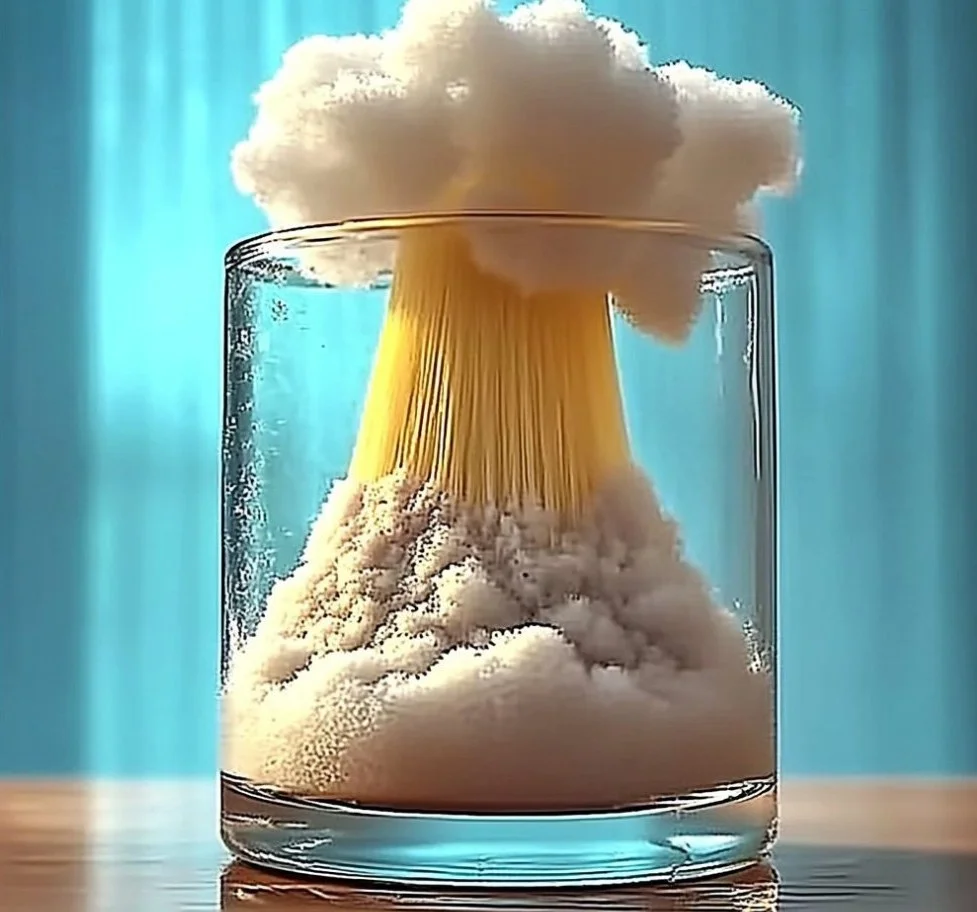
There is a steady rhythm to this project that soothes. You measure, pour, and watch simple moves that slow your breath. The way oil sits on top of water and the way a little mound of salt takes a colored droplet down and then lets it rise again feels like a soft conversation between materials. The salt trickle makes a tidy sound; the colored blobs move in a gentle, unhurried way. This experiment gives you permission to observe without rushing.
This project helps people slow down by inviting mindful attention. It suits curious hands, small or large, and welcomes quiet moments where science and craft meet. If you like the feeling of watching slow changes, you may also enjoy the salt volcano in a jar tutorial I keep on the site for a slightly different visual effect: salt volcano in a jar tutorial.
The Flow of Making DIY Salt Volcano Science Experiment
Begin with an intention to be present. The experiment unfolds in gentle stages: layer, color, salt, and observe. Each step offers a small sensory pause. You feel the weight of the salt as you scoop it. The oil slides smoothly into the jar. The food coloring dissolves in water with a soft spread. When the salt touches the colored water at the oil interface, the motion looks like a tiny, slow eruption.
The soundscape stays quiet and soft. There is no rush. You move slowly and notice details: the way light bends through the jar, how tiny beads of oil cluster, and how the colored globes stretch and wobble as they sink. This flow makes the whole experience meditative and childlike at once.
Materials You’ll Need
- Clear jar or glass (mason jar or recycled jar) easy to find, clear sides help observation.
- Vegetable oil or light mineral oil holds the upper layer; substitute-friendly with light oils.
- Warm water helps dissolve salt; not hot.
- Table salt simple, plain salt works best; fine or coarse both work.
- Food coloring choose vibrant colors for a stronger effect.
- Small bowl or cup for mixing the colored water.
- Teaspoon and measuring cup for gentle measuring and pouring.
- Tray or towel optional, to catch small spills and keep the space calm.
- Adult supervision if children are involved safety first for small parts and food coloring.
Step-by-Step Directions
Pour warm water into the jar until it fills about one third. Gently feel the warmth in the jar and notice the glass coolness against your fingers.
Add 3 to 4 drops of food coloring to the warm water in the jar. Watch the color bloom and slowly swirl it with the jar’s tilt if you like.
Slowly pour vegetable oil on top of the colored water. Pour in a thin steady stream so the oil settles as a distinct layer and the boundary stays calm.
In a small bowl, mix a teaspoon of colored water with a pinch of salt to form dampened salt clumps. The salt should cling to the colored water without dissolving right away.
Use a spoon to gently drop the salt-sprinkled colored water clump onto the oil surface. Listen to the tiny patter of salt landing and watch the colored droplet start to sink.
Watch as the salt pulls the colored water through the oil into the lower water layer. Notice the slow pull, the stretching of the droplet, and how it breaks into smaller globes.
Wait as the salt dissolves in the lower water and the colored water rises back into the oil layer. The return is gentle; the colors travel up as lightened bubbles or streams.
Repeat with different colors and salt amounts to create a calm dance of rising and falling. Each time, pause and breathe with the experiment. The motion feels rhythmic and soft.
When you finish, set the jar on a tray and allow the layers to settle overnight. Let the quiet pattern sit on your shelf as a small, living sculpture of motion.
Enjoying the Finished Piece
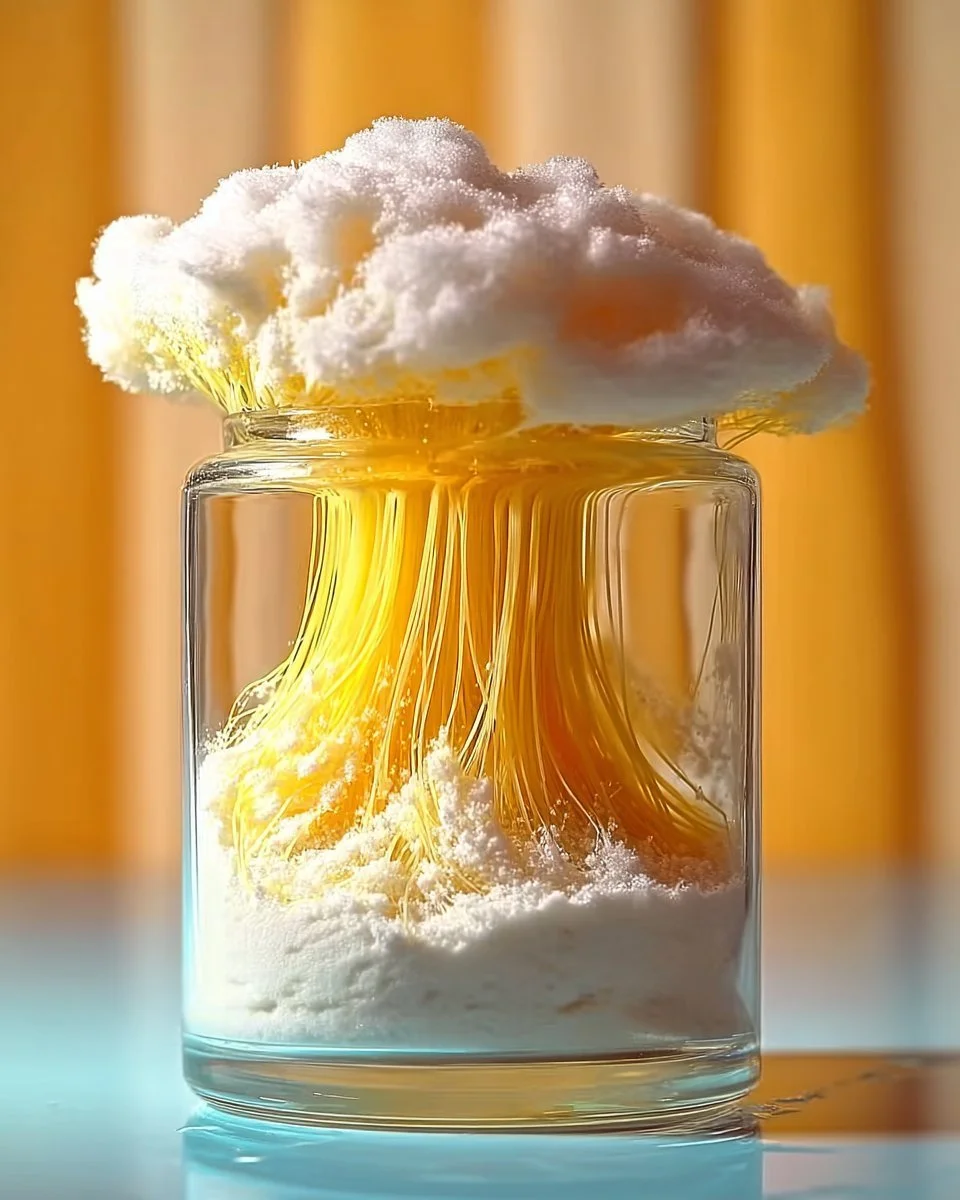
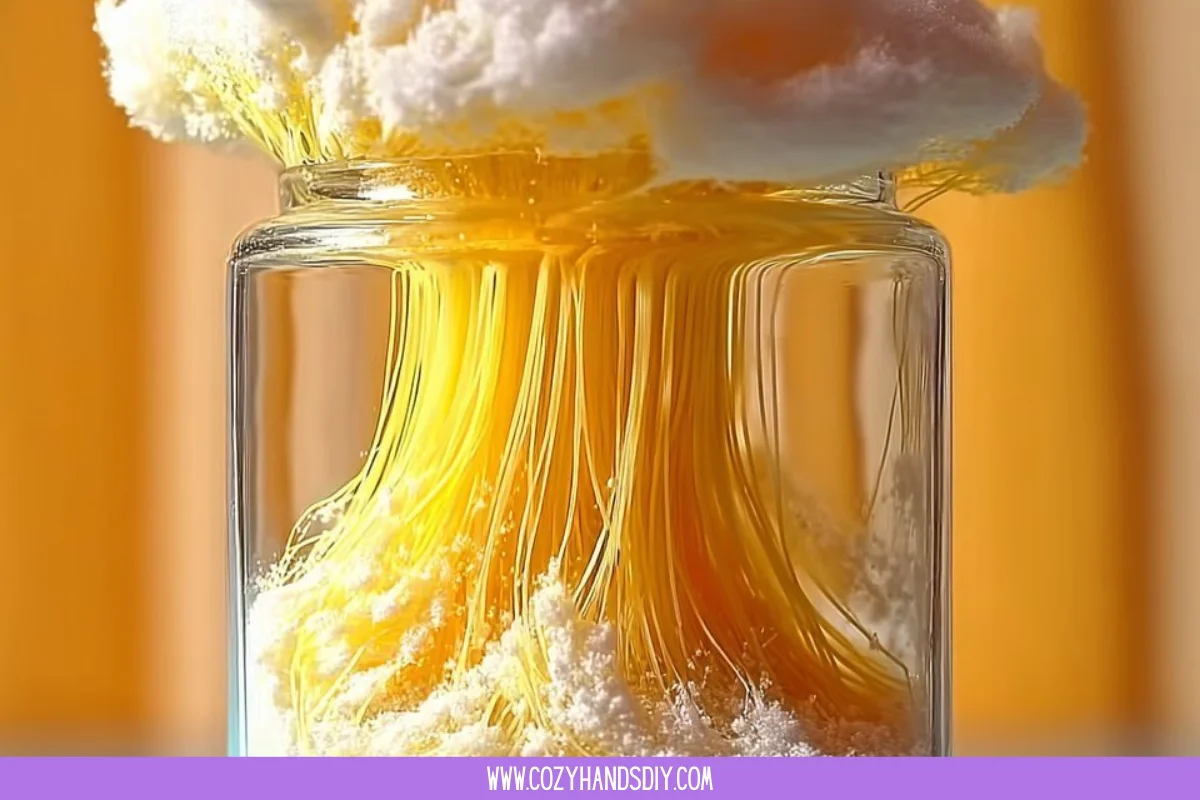
This experiment makes a lovely table piece for a quiet corner. Place the jar where soft light can pass through it. The layered textures look warm and inviting. You can return to it throughout the day and watch how the tiny movements slow your pace. If you make several jars with different colors, arrange them to catch light in an easy, pleasing row.
Use the jar as a gentle focus for mindfulness. Sit beside it for a few minutes and let your eyes follow a single colored glob as it sinks and rises. The slow motion invites soft attention rather than hard concentration. Children often find it mesmerizing. Adults often find it restorative. The jar does not need to be perfect to be beautiful; slight impurities and small air bubbles add character and memory.
How to Store or Reuse DIY Salt Volcano Science Experiment
Store the jar in a cool, stable place away from direct heat and heavy sun. If you want to keep the layers clear, avoid shaking the jar; that preserves the oil-water separation.
Reuse the materials thoughtfully. Pour the oil into a labeled container for later experiments. Decant the bottom water into a separate container if you plan to use it again. The saltwater will hold residue and food coloring, but you can dilute it and reuse for learning activities.
To clean and reset the jar, pour off the top oil layer with a steady hand and wipe with a paper towel. Wash the jar in warm soapy water and let it dry completely before starting a fresh experiment. Recycle or compost scraps where possible. Keep food coloring and salt away from small children’s mouths.
What I’ve Learned While Making This
Small, careful changes make a big visual difference. A tiny extra pinch of salt or one more drop of red can change the motion and mood of the experiment. Make adjustments slowly and enjoy the discovery.
Slow hands help. Pouring oil too quickly or dropping a clump of wet salt too forcefully disturbs the layers. Move with calm intention for cleaner, softer results.
Temperature matters. Warm water dissolves salt faster and creates smoother color mixing. Cooler water holds salt longer and can give you delayed reactions that feel like surprise moments.
Mix textures and tools. A ceramic spoon feels different from a metal one. Glass jars show color warmly while plastic jars offer a gentler feel for little hands. I like using a wooden spoon for mixing because it feels warm and quiet in my hand.
Make it a shared ritual. I often invite my little neighbor to sit beside me, each with a small bowl. We talk about colors, count slowly, and watch in companionable silence. It turns scientific curiosity into a soft ritual of connection.
Gentle Tips & Variations
Try different salt sizes. Fine table salt gives a fast dissolution and a quick rise. Coarser salt sinks more slowly and keeps the color down longer. Try both and notice the difference.
Use oil with different viscosities. Light mineral oil creates a clearer separation. Olive oil gives a softer, golden tone to the overall look. Pick an oil that matches the mood you want.
Make a color story. Choose a palette of three complementary colors for a calming display, or go bright and playful. Limit your palette for a more meditative effect; use many colors for a lively feeling.
Add safe, small objects. A clean pebble or a small shell on the bottom can make the lower layer feel like quiet ground. Place objects in the jar before you pour water.
Turn it into a story prompt. Ask quiet questions as you watch: What does this color remind you of? What story could this slow motion tell? This turns the experiment into an imaginative pause.
FAQs About DIY Salt Volcano Science Experiment
Q: Is this safe for young children? A: Yes, with supervision. The materials are common kitchen items, but food coloring stains and salt can irritate if it gets into eyes. Keep an eye on small children so they do not taste or spill. Use plastic jars for toddlers if you worry about dropped glass.
Q: What makes the colored water sink through the oil? A: The salt clump increases the weight of the colored water, so gravity pulls it down through the oil. The oil is less dense than water and floats on top. When the salt dissolves in the bottom water, the colored droplet lightens and floats back up. You can feel confident knowing these motions follow simple, observable rules of density and solubility.
Q: Can I use glitter or little sequins? A: You can, but be gentle. Glitter can cling to the oil and settle in ways that make the jar cloudy. If you use sparkles, use a small amount and accept that the jar will look different. Consider using biodegradable glitter or small, clean beads that you can remove later.
Q: How long will the effect last? A: The active movement occurs while salt dissolves and when you add new salt clumps. If you keep the jar undisturbed, the layers will stay separate for a long time. Over weeks, oils can pick up dust or the color can diffuse a little. For best results, enjoy the motion on the day you make it.
Q: Can I make a fizzing volcano with vinegar and baking soda instead? A: You can combine different experiments, but vinegar and baking soda create foam that can mix and cloud the oil and water layers. If you want a fizz, try a second jar dedicated to bubbling volcanos and treat the salt volcano as the calm, slow-motion companion.
A Gentle Note Before You Go
As you clean your workspace, take a moment to notice one small detail you enjoyed the sound of salt, the way green moved like seaweed, or a smile across someone’s face. This project gives you a simple way to slow down and practice gentle attention. Keep one jar to observe and one to change; rotate your experiments like you might rotate simple rituals in a quiet week.
If you want to pair this sensory project with another slow craft, I sometimes set out simple scent stones to sit beside the jars so the hands and nose both have something soothing to do. For a different hands-on science activity, pair your salt volcano with a hands-on crystal study or a small aroma project for cozy variety.
Conclusion
If you would like a longer, step-by-step guide that explores the visual lava effect in a jar, this Groovy Liquid Density Science Experiment offers an inspiring approach. For a beginner-friendly DIY with clear images and a gentle walk-through, try this Salt Volcano | DIY for Beginners – KiwiCo to complement your cozy making.
PrintDIY Salt Volcano Science Experiment
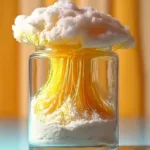
Create a mesmerizing salt volcano in a jar using simple kitchen ingredients and enjoy the soothing process of observation.
- Prep Time: 10 minutes
- Cook Time: 0 minutes
- Total Time: 10 minutes
- Yield: 1 jar
- Category: Science Experiment
- Method: Experimentation
- Cuisine: N/A
- Diet: N/A
Ingredients
- Clear jar or glass (mason jar or recycled jar)
- Vegetable oil or light mineral oil
- Warm water
- Table salt
- Food coloring
- Small bowl or cup
- Teaspoon and measuring cup
- Tray or towel (optional)
- Adult supervision (if children are involved)
Instructions
- Pour warm water into the jar until it fills about one third.
- Add 3 to 4 drops of food coloring to the warm water in the jar.
- Slowly pour vegetable oil on top of the colored water.
- In a small bowl, mix a teaspoon of colored water with a pinch of salt.
- Use a spoon to gently drop the salt-sprinkled colored water clump onto the oil surface.
- Watch as the salt pulls the colored water through the oil into the lower water layer.
- Wait as the salt dissolves in the lower water and the colored water rises back into the oil layer.
- Repeat with different colors and salt amounts to create a calm dance.
- When you finish, set the jar on a tray and allow the layers to settle overnight.
Notes
This experiment is a great opportunity to practice mindfulness and patience. Perfect for curious hands of all ages.