
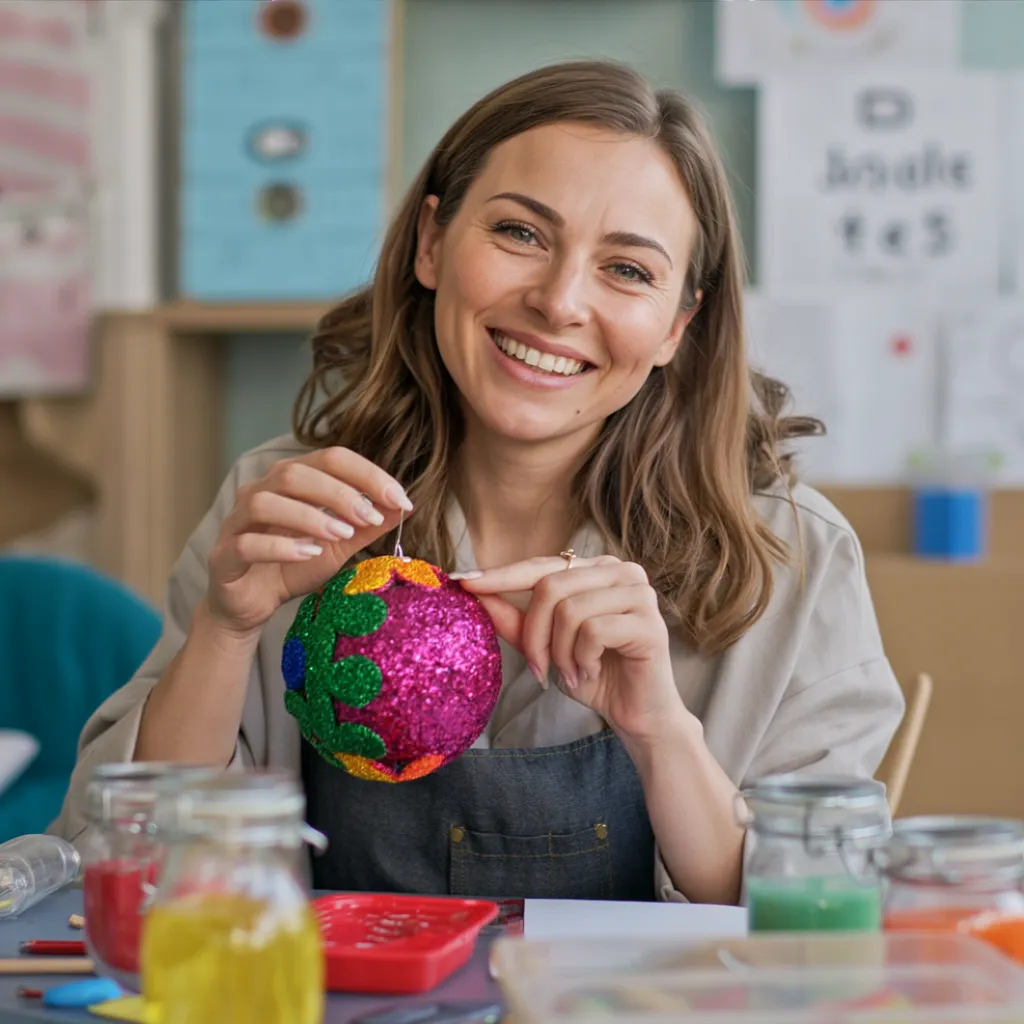

A warm sliver of sunlight slides across my work table and lands on a thin, translucent disk I made last week. It catches the light and flutters color across the room when I shift it, like a slow, small sunrise. Making DIY Biodegradable Bioplastic Suncatchers asks me to slow down, to feel the cool, slightly tacky bend of fresh bioplastic between my fingers, to breathe with each careful press and gentle pat. If you want a longer recipe and more color ideas, I sometimes return to a thoughtful tutorial like the colorful bioplastic suncatchers recipe we keep on hand for inspiration.
The Quiet Joy of Making DIY Biodegradable Bioplastic Suncatchers

These suncatchers invite a kind of quiet joy that asks only for your hands and a few simple ingredients. The materials feel reassuringly familiar: pantry starch, a soft wooden spoon, a warm pan. The texture of the bioplastic as it sets feels almost like firm jelly or thin leather, smooth under the thumb and slightly cool to the touch once it dries.
When you work on a small piece, the process offers a rhythm. You stir, you pour, you press. Each motion has space to be slow and exact. Light passes differently through a colored sheet than through a clear one, and watching that change unfolds a patient kind of pleasure. If you like exploring different recipes, you may also enjoy comparing techniques in related projects such as this gentle second bioplastic suncatchers guide, which shows a few alternative shaping methods.
Beyond texture and light, making these suncatchers becomes an act of presence. You notice the small sounds: the quiet hiss when the mixture meets the pan, the soft scrape of a spatula, the whispered clink as beads fall into place. Those sounds help slow your thinking and bring you back into your hands. That stillness is what makes this project feel like a small ritual rather than a task.
A Gentle Look at the Process
The making moves in a calm, steady flow. You heat, you stir, you shape. You let the material change from a milky liquid into a glossy, pliable sheet, and then into a firm, translucent window for light. Each stage has its own sensory notes: warmth from the pan, a glossy sheen on the surface, and the smell of starch and a hint of vinegar that quietly fades.
You will work slowly enough to notice how the mixture thickens, how it begins to pull away from the pan, and when it feels just right for pressing. This project does not ask for speed. It rewards a gentle pace. If you want to explore more patterns or botanical embedding techniques, see a companion take on adding leaves and petals in this calming third bioplastic suncatchers post for ideas and gentle prompts.
Materials You’ll Need
Cornstarch (1 cup) (easy to find)
Distilled water (1 cup) (helps make a clear bioplastic)
White vinegar (1 tablespoon) (a small amount helps with flexibility)
Glycerin (1 teaspoon) (optional, adds softness)
Food coloring or natural pigments (small drops or powders) (optional)
Small silicone molds or cookie cutters (substitute with a smooth, heat-safe surface)
Nonstick baking mat or parchment paper (keeps pieces from sticking)
A small saucepan and a wooden spoon (sturdy and smooth)
Measuring spoons and cups (simple, accurate)
Thin string, fishing line, or flexible wire (for hanging)
Small dried flowers, leaves, or translucent paper (optional embellishments)
Scissors and a hole punch or a small skewer (for making hanger holes)
Notes: glycerin is optional but helpful if you want a slightly softer finished piece. Use silicone molds for even shapes, or work freeform on parchment for more organic pieces.
Step-by-Step Directions
- Gather everything and set up a calm workspace with good light.
Take out your saucepan, measuring tools, and any small decorations.
Arrange a sheet of parchment or a silicone mat to cool pieces on. - Mix cornstarch and water in the saucepan.
Stir slowly until the mixture looks smooth and slightly milky.
Add the vinegar and glycerin, and watch the liquid settle. - Heat the mixture over low to medium heat, stirring constantly.
The sound will shift to a very soft bubbling as it thickens.
Keep stirring to prevent lumps and to feel the texture change under the spoon. - When the mixture becomes glossy and pulls together, remove from heat.
It should look like a clear gel that coats the spoon smoothly.
Work quickly but gently while it is still warm and pliable. - Add color or pigments now, folding them in with smooth strokes.
A drop or two goes a long way; mix until the shade looks even.
If you use botanicals, place them on your mat before pouring. - Spoon or press the warm bioplastic into molds or onto parchment.
Use a damp spatula to smooth edges and flatten to the thickness you prefer.
Remember the piece will shrink slightly as it dries. - If you want to embed petals or tiny objects, press them lightly into the surface.
Avoid trapping air pockets; press evenly so the pieces lie flat.
A gentle tap with a clean tool helps settle them into place. - Make a small hole for hanging while the piece is still soft.
Use a skewer or a small straw and hold it steady for a clean hole.
If the material resists, wait a few minutes; it becomes easier to shape as it cools. - Let the suncatcher dry slowly at room temperature for 24 to 72 hours.
Check its feel; it should move from tacky to firm and slightly flexible.
Flip it once during drying if you want even drying and to prevent warping. - Trim edges and thread string once the piece is fully dry and cool.
Test the hanger by lifting gently to be sure the hole holds.
Hang in a window and notice how light moves through the thin, handmade sheet.
Bringing DIY Biodegradable Bioplastic Suncatchers Into Your Space

A finished suncatcher makes a quiet, steady presence. Hang one in a small window to catch morning light or cluster a few in a sunny corner where they can move softly in a draft. They work well over a small plant or near a reading nook, offering a little motion and color that feels calming rather than busy.
Group a few similar shapes on a single hanger for a gentle mobile. The bioplastic material carries color softly; it does not glare. If you place a suncatcher near a lamp, keep the light indirect to avoid heat, which can soften the material over time. For a seasonal touch, change the cluster with the light across the year and let the pieces shift with the sun.
If you enjoy sharing, make smaller versions as gifts. They fold flat in a padded envelope and carry the gentle memory of hands shaping something slow and luminous. For more ideas on display and styling, you can look at a practical gallery of projects like this small collection in our fourth bioplastic suncatchers post.
How to Store or Reuse DIY Biodegradable Bioplastic Suncatchers
Store finished suncatchers flat in a cool, shaded place away from direct sunlight.
Layer them between sheets of tissue paper to prevent sticking or scratches.
Avoid heavy stacking; the thin pieces can warp under pressure or heat.
If a suncatcher becomes dusty, wipe it gently with a soft, dry cloth.
Do not submerge in water; the material can soften if soaked for a long time.
If you need to reshape the edge slightly, gently warm with your hands or a hair dryer on low, then press back into form on a flat surface.
To reuse fragments, cut or punch new shapes from larger, intact pieces.
You can string small fragments into a new cluster that has a mosaic quality.
Keep in mind that repeated heating and bending can make pieces more brittle, so handle reclaimed pieces with extra care.
Calm Customization Ideas
Try layering translucent papers between thin sheets for a soft collage effect.
Invite a single color palette for a soothing, cohesive look, or mix muted tones for a quiet gradient.
Add tiny beads or a thin strip of washi tape inside the warm mix for a discreet sparkle.
Use natural dyes, like beet powder or turmeric, to make gentle, earthy hues.
Experiment with thickness: thinner pieces let more light through; thicker ones feel more tactile.
Make a set with the same shape but different colors and hang them in a sequence that pleases you.
Consider scent as a calm element: store your suncatchers with a scrap of lavender cloth nearby to add a gentle, complementary aroma when you open the box.
FAQs About DIY Biodegradable Bioplastic Suncatchers:
Will these suncatchers hold up outdoors?
They last best indoors in a cool, shaded place. Outdoor sun and heat can soften or warp the bioplastic over time. If you hang them outside, choose a sheltered spot and accept that they may age faster.
Are the materials safe to work with?
Yes, these recipes use common pantry items. Keep the heat low, work in a well-ventilated space, and supervise children closely. Vinegar adds a slight smell while heating; it fades as the piece cools.
Can I make them edible-looking for a child’s craft?
While the ingredients are food-based, the final pieces are not food and can become brittle or contain small embedded items. I recommend making them with adult supervision and keeping them out of reach of small children who might be tempted to taste them.
How long does a suncatcher stay flexible?
With glycerin included, pieces remain slightly more flexible for longer. Over months and with warmth, they become less pliable. Store them cool and flat to preserve flexibility.
Can I recycle or compost leftover material?
Small scraps may compost in a home compost system, depending on the ingredients. Composting conditions vary, so check your local guidance. Avoid adding pieces that include non-compostable inserts like synthetic beads.
A Quiet Closing Thought
Sit with the piece you made for a few slow breaths and notice the way it catches the light. The act of making these suncatchers asks little more than a willingness to move slowly and to pay attention to small changes. Each one holds the quiet of your hands, the soft rhythm of stirring, and the patient waiting as the material becomes a window for light. Let your handiwork be a reminder that simple materials can hold a lot of calm.
Conclusion
If you would like a different step-by-step perspective on the chemistry behind the recipe, try the clear and friendly walkthrough at How To Make A Bioplastic Suncatcher – Chemistry for Kids which explains why the ingredients form a flexible film. For ideas on using leaves and tiny botanicals in your sheets, I also find the delicate compositions in Botanical Bioplastic Sun Catchers – Wineberry Woods quietly inspiring.
PrintDIY Bioplastic Suncatchers

Create beautiful suncatchers using simple ingredients to catch and play with sunlight.
- Prep Time: 15 minutes
- Cook Time: 30 minutes
- Total Time: 45 minutes
- Yield: 4 suncatchers
- Category: Craft
- Method: Crafting
- Cuisine: N/A
- Diet: N/A
Ingredients
- Cornstarch (1 cup)
- Distilled water (1 cup)
- White vinegar (1 tablespoon)
- Glycerin (1 teaspoon, optional)
- Food coloring or natural pigments (small drops or powders, optional)
- Small silicone molds or cookie cutters
- Nonstick baking mat or parchment paper
- A small saucepan and a wooden spoon
- Measuring spoons and cups
- Thin string, fishing line, or flexible wire
- Small dried flowers, leaves, or translucent paper (optional embellishments)
- Scissors and a hole punch or a small skewer
Instructions
- Gather everything and set up a calm workspace with good light.
- Mix cornstarch and water in the saucepan.
- Stir slowly until the mixture looks smooth and slightly milky.
- Add the vinegar and glycerin, and watch the liquid settle.
- Heat the mixture over low to medium heat, stirring constantly.
- Remove from heat when it becomes glossy and pulls together.
- Add color or pigments now, folding them in with smooth strokes.
- Spoon or press the warm bioplastic into molds or onto parchment.
- Make a small hole for hanging while the piece is still soft.
- Let the suncatcher dry slowly at room temperature for 24 to 72 hours.
- Trim edges and thread string once dry.
Notes
Glycerin is optional but helpful for a softer finished piece. Use silicone molds for even shapes, or work freeform on parchment for organic pieces. Store finished suncatchers flat and away from direct sunlight.