

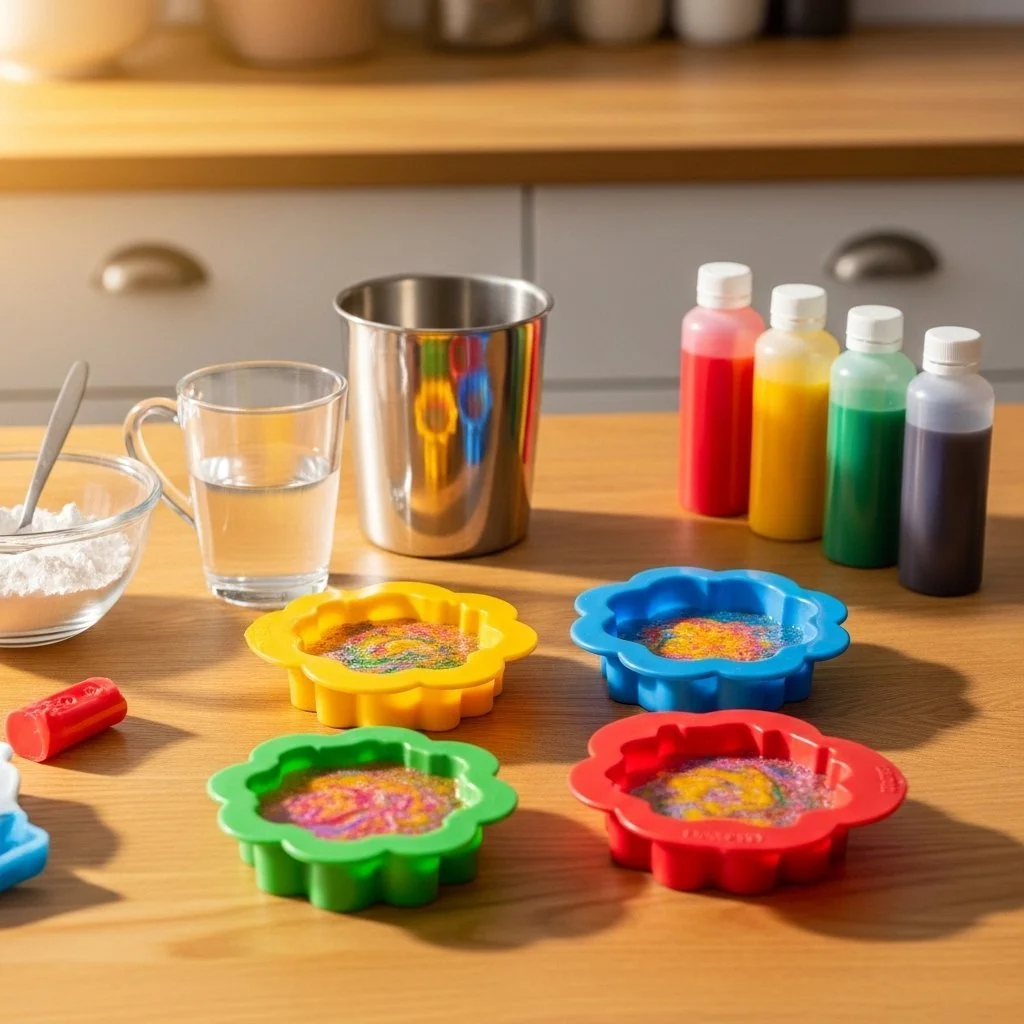
A warm pool of sunlight gathers on the table as I quietly mix a glossy, pale gel. My fingers move slowly, the spoon tapping a soft rhythm on the jar. The scent is faint and almost like warm cornmeal, the texture silky, pliant, calm. This is the small, steady beginning of Colorful Eco-Friendly Bioplastic Suncatchers, and the light itself seems to lean in to watch the making.
The Quiet Joy of Making Colorful Eco-Friendly Bioplastic Suncatchers
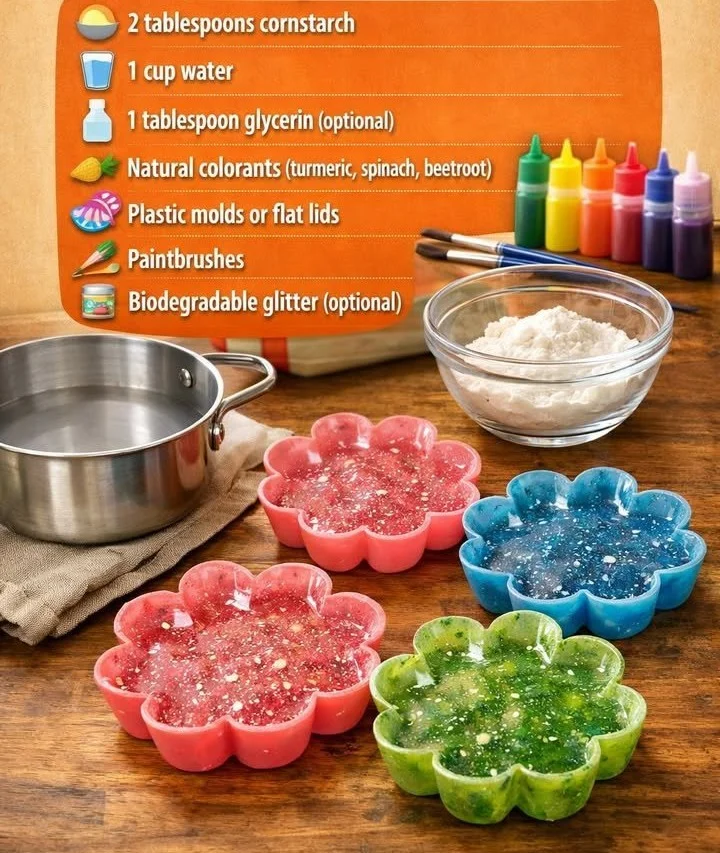
There is a simple calm that comes from mixing a small batch of bioplastic, watching cloudy liquid turn to a soft, translucent sheet. Making Colorful Eco-Friendly Bioplastic Suncatchers asks you to move with intention. You measure slowly. You stir with a rhythm that settles the mind. You press colors and tiny textured bits into the surface, seeing them float and glow as the sun finds them.
This craft gives space to notice small sensations: the cool touch of scissors, the gentle tack of the drying film, the hush as pieces settle. It invites a moment away from screens and to-do lists, where the reward arrives in color catching light. If you want a quiet, sensory practice that gives you something beautiful and sustainable to hang in a window, this helps. For a detailed recipe, you can follow this colorful bioplastic suncatchers recipe that pairs easily with mindful making.
A Gentle Look at the Process
Before you gather the jars and pans, imagine the flow. You warm a simple mixture until it turns clear and gently thick. You pour and spread it, then add drops of color that bloom like petals. You wait with patience as thin films dry to a soft, flexible sheet that still catches the light.
The movements in this project stay calm and predictable. Stirring is slow and steady. Pouring is careful and deliberate. Cutting asks for calm hands and a soft table beneath. The soundscape is small: a pot’s whisper, the occasional soft snap of cooled edges, and the steady hush of sunlight on the finished suncatchers. If you want to read more about eco-friendly approaches before you begin, this eco-friendly bioplastic suncatchers guide lays out simple choices that keep the process gentle and low-waste.
What You’ll Use to Make Colorful Eco-Friendly Bioplastic Suncatchers
- Cornstarch (easy to find)
- Water (warm, but not boiling)
- White vinegar (small amount, helps set the plastic)
- Glycerin (optional, keeps suncatchers flexible)
- Natural food coloring or diluted watercolors (for soft, translucent color)
- Silicone baking mat or parchment paper (non-stick surface)
- Small saucepan (used gently over low heat)
- Wooden spoon (smooth and warm in your hand)
- Cookie cutters or stencil shapes (optional for uniform shapes)
- Scissors (sharp and steady)
- Clothespins or clips (to hang while drying)
- Tweezers or a toothpick (for placing tiny embellishments)
- Dried flowers, gold leaf bits, or textured paper scraps (optional, small scale)
- Measuring spoons and cup (for calm and consistent results)
You may want to read a quick materials list that goes deeper into alternatives and why each item matters in this bioplastic suncatchers materials list. These tools keep the process simple and sensory-rich. Glycerin is optional but helpful if you fear brittle results. Natural dyes give soft light when they set, and a silicone mat saves you from sticky worry.
Step-by-Step Directions
Gather and set up a calm workspace. Place a silicone mat or parchment on your table for a soft, non-stick surface. Warm a cup of water nearby so you can move through the steps without rushing.
Mix the base ingredients in the saucepan. Combine 1 tablespoon cornstarch with 4 tablespoons water, 1 teaspoon vinegar, and 1/4 teaspoon glycerin. Stir gently with the wooden spoon until the cornstarch dissolves into a milky liquid.
Warm the mixture slowly over low heat. Keep the flame low and stir continuously to avoid lumps and sudden thickening. Watch as the mixture turns from cloudy to glossy and slightly thicker, like a light custard.
Add color in small amounts. Drop in one or two drops of natural food coloring, or a tiny brush of diluted watercolor. Stir until the color blooms uniformly; remember that the wet color will dry slightly lighter.
Pour or spoon the bioplastic onto the mat. Work slowly, making puddles about as thick as a thin coin and spaced apart. You can pour freeform shapes or lay down inside cookie cutter borders for neat edges.
Place tiny embellishments while the film is still tacky. Use tweezers to press dried flowers, small paper fragments, or flakes into the surface. Gently press so they sit flush and so light can shine through.
Let the pieces cool and set at room temperature. Cover the workspace from drafts with a light cloth if you have pets or open windows. Wait until the surface is dry to the touch, which may take several hours depending on humidity.
Carefully peel the suncatchers from the mat. Lift a corner slowly and ease the piece free with soft, steady motions. If it resists, give it more time; patience prevents tears and jagged edges.
Trim and shape with scissors for neat edges. Cut slowly and hold the piece flat so the scissor line stays smooth. Create holes for hanging with a small hole punch or warm needle, working slowly and safely.
String and hang where sunlight dances. Use fine thread, twine, or a recycled ribbon and tie gentle knots. Hang near a sunny window and watch the color and texture change through the day.
Enjoying the Finished Piece
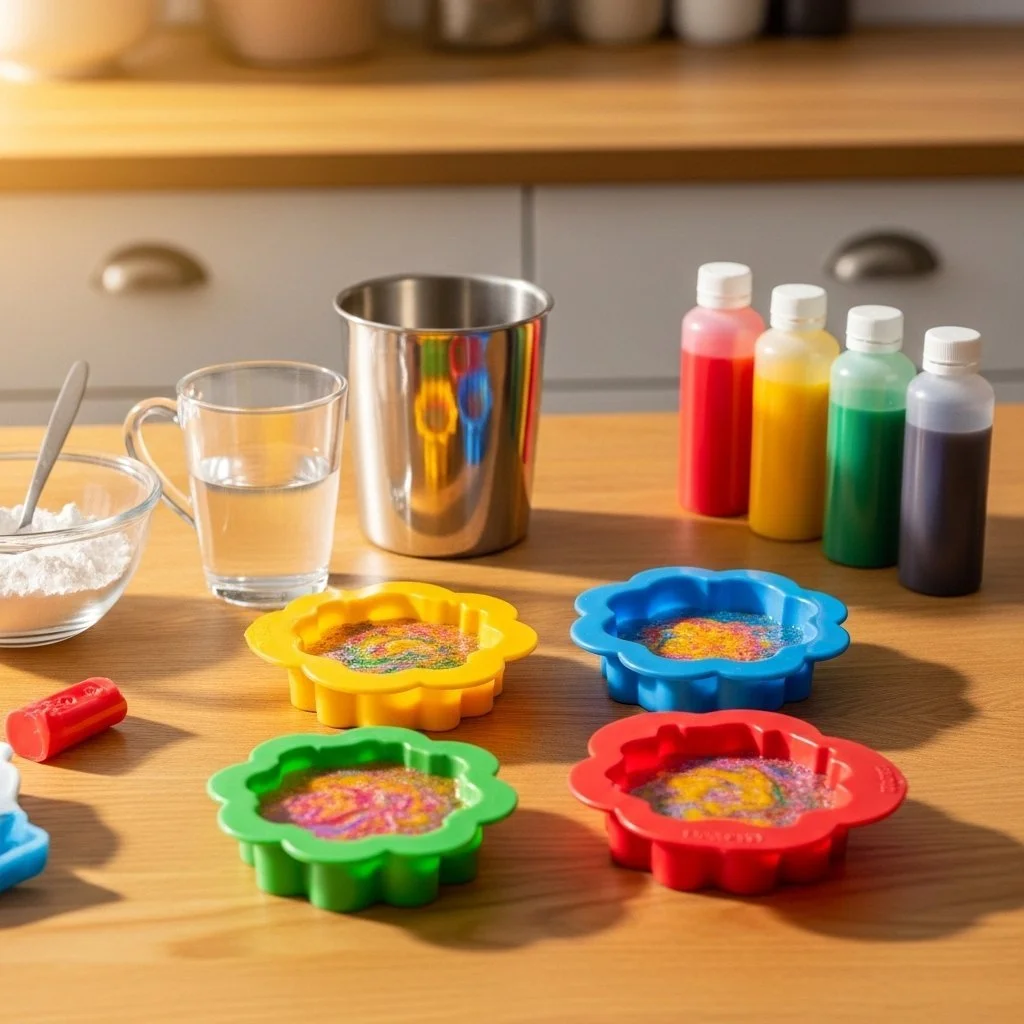
When you hold one of these suncatchers up to the light, you feel the sun’s warmth through a delicate sheet of color. The finished pieces catch and scatter light in a soft, stained-glass way without the weight of glass. They work quietly in a kitchen window, on a child’s art wall, or as a gentle gift for someone who appreciates slow making.
Use them as a small mobile by tying several on fine thread at varied lengths. Or clip one to a curtain tie with a wooden clothespin for a natural look. I keep a few smaller pieces on a string near my bedside; the morning sun paints gentle colors across the wall as I wake, and that slow wash of light starts the day without hurry.
If you want ideas for arrangement and display, this short guide lists creative approaches and simple hanging methods in more depth if you’d like extra inspiration: ways to display your suncatchers.
How to Store or Reuse Colorful Eco-Friendly Bioplastic Suncatchers
Store suncatchers flat in a shallow box with soft tissue between layers. Keep them away from heat sources and direct, continuous sunlight when not displayed, as long exposure can fade color over months.
If a piece warps slightly, you can soften it by placing it between two sheets of parchment and pressing gently with a warm (not hot) iron for a second or two. For reuse, cut smaller shapes from larger sheets to make charms or gift tags, or incorporate pieces into mixed-media journals for a tactile surprise.
If you plan to store multiple items, label the box with dates and color notes so you remember which mixes you liked. A small rotation every few months keeps the display feeling fresh and helps you notice subtle changes in the colors and textures over time.
Gentle Tips & Variations
Invite texture: Place a piece of lace or textured paper under the film while it dries for an embossed effect. This adds soft shadow and depth without extra steps.
Keep it flexible: Add a touch more glycerin if you want a softer, folded look. Start with a small increase, test one piece, then adjust gently.
Play with scale: Pour very thin puddles for airy, almost translucent pieces, or slightly thicker ones for bold color. Thinner pieces dry faster and feel more like silk in the light.
Natural inclusions: Press tiny bits of eucalyptus or baby’s breath into the wet surface for a botanical touch. Trim leaves thinly so they sit flat and do not trap moisture.
Gift with care: Pair small suncatchers with a hand-written note about how they were made. The story of the hands and the place adds quiet value to the object.
What I have learned through making these is that small adjustments matter more than big changes. A little less heat, a little more waiting, and the piece will be kinder to both the maker and the materials. Invite experimentation and treat each try as a warm practice rather than a pass or fail.
FAQs About Colorful Eco-Friendly Bioplastic Suncatchers
Are these suncatchers safe around children and pets?
They are gentler than glass, yet still a thin plastic film. Keep small pieces out of reach of children under three and supervise curious pets. Store sharp tools safely and use rounded scissors around little hands.
Will the color fade over time?
Natural food color and diluted watercolor can gradually lighten with very long exposure to direct sun. Rotating pieces and avoiding continuous strong light will keep colors vibrant longer. For longer life, layer a small varnish coat if you prefer, testing first on a spare piece.
Can I wash these if they get dusty?
Wipe them gently with a soft, slightly damp cloth. Avoid soaking or scrubbing hard, which can cause edge fraying. For stubborn spots, a light swipe with a damp cotton swab works well.
Are bioplastic suncatchers biodegradable?
Many simple cornstarch-based bioplastics break down more readily than petroleum plastics, especially under composting conditions. However, additives and varnishes can affect this. If composting matters to you, keep ingredients minimal and avoid synthetic topcoats.
What makes the bioplastic hold together instead of staying sticky?
The combination of cornstarch, vinegar, and gentle heat causes the starch molecules to gelatinize and then set into a flexible film as they cool. Glycerin acts as a plasticizer, keeping the sheet soft and preventing brittleness. These simple chemistry principles help the film form and stay stable.
Final Reflections on Making Colorful Eco-Friendly Bioplastic Suncatchers
There is a steady pleasure in turning a liquid into something that holds light. The process asks you to slow your hands and watch small changes. It asks you to let a little time pass and to accept that a good piece may take patience.
When you make these, notice how the house shifts when sunlight moves across them. Notice the small sounds of your tools and the way your breath slows. These are the quiet rewards of the craft. You do not need perfection. You need presence. Each suncatcher carries a trace of the maker’s calm.
Conclusion
If you want a clear, step-by-step laboratory-style explanation of the simple chemistry behind these projects, this resource explains how the mixture sets into a film: How To Make A Bioplastic Suncatcher – Chemistry for Kids. For another maker’s take on shapes, color techniques, and eco-friendly tips that pair well with the ideas here, this tutorial offers extra inspiration: DIY Bioplastic Suncatchers: Eco-Friendly Art That Shines Bright!
PrintColorful Eco-Friendly Bioplastic Suncatchers
Create beautiful and sustainable suncatchers using a simple bioplastic recipe.
- Prep Time: 15 minutes
- Cook Time: 30 minutes
- Total Time: 45 minutes
- Yield: 4 suncatchers
- Category: Craft
- Method: Crafting
- Cuisine: Eco-Friendly
- Diet: Vegan
Ingredients
- 1 tablespoon cornstarch
- 4 tablespoons warm water
- 1 teaspoon white vinegar
- 1/4 teaspoon glycerin (optional)
- Natural food coloring or diluted watercolors
- Silicone baking mat or parchment paper
- Wooden spoon
- Cookie cutters or stencil shapes (optional)
- Scissors
- Clothespins or clips
- Tweezers or a toothpick
- Dried flowers, gold leaf bits, or textured paper scraps (optional)
- Measuring spoons and cup
Instructions
- Gather and set up a calm workspace.
- Place a silicone mat or parchment on your table for a soft, non-stick surface.
- Warm a cup of water nearby so you can move through the steps without rushing.
- Mix the base ingredients in the saucepan.
- Combine cornstarch, warm water, vinegar, and glycerin in the saucepan and stir gently.
- Warm the mixture slowly over low heat and stir continuously.
- Add color in small amounts and stir until it blooms uniformly.
- Pour or spoon the bioplastic onto the mat.
- Place tiny embellishments while the film is still tacky.
- Let the pieces cool and set at room temperature.
- Carefully peel the suncatchers from the mat.
- Trim and shape with scissors for neat edges.
- String and hang where sunlight dances.
Notes
These suncatchers are safer than glass and can be made colorful using natural dyes.