

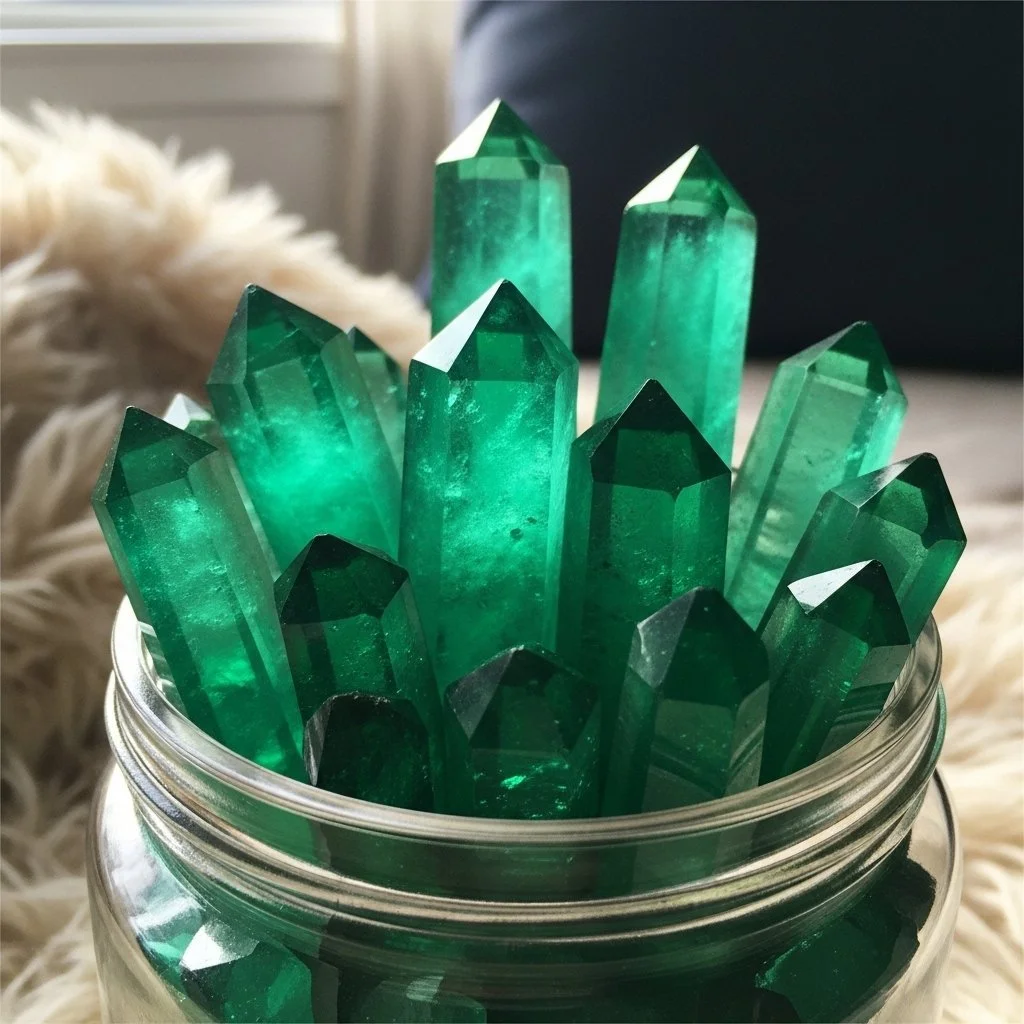
The shell sits in my palm, cool and smooth, as morning light slips across the tiny ridges. I breathe and watch a gentle lattice of bright green crystals grow at the shell’s edge. The Bright Green Crystal Seashell Experiment feels slow and deliberate, a small act that anchors my hands and my thoughts. I remember stirring the solution with a wooden stick, feeling warmth on my fingertips and the faint scent of sugar in the air. That memory keeps me steady as I invite you to try this quiet, sensory-rich experiment at home. For a broader look at crystal basics, you might enjoy this simple crystal seashell guide that I return to when I want gentle reassurance.
Why Bright Green Crystal Seashell Experiment Feels Comforting to Create
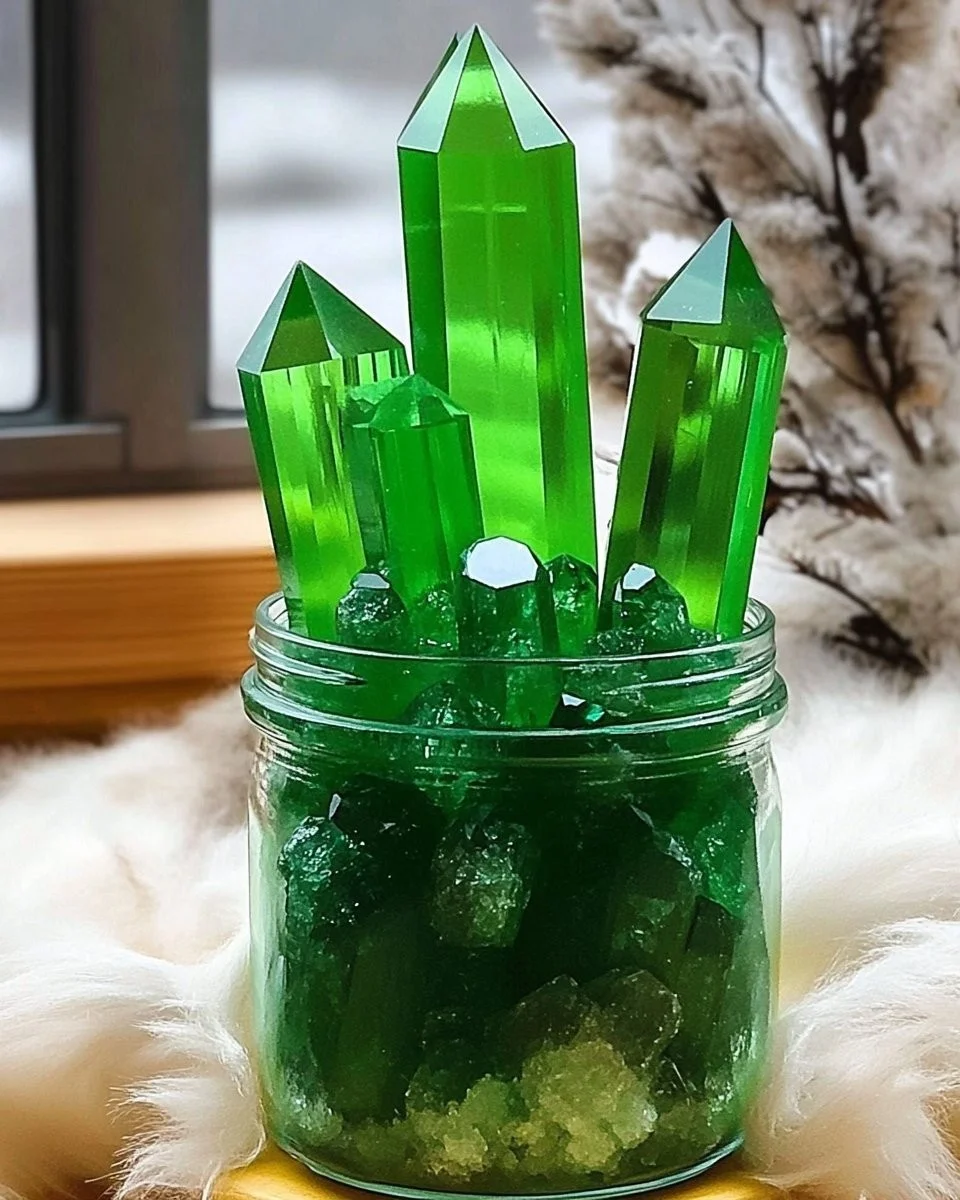
This project asks you to move slowly and notice small changes. Watching crystals form feels like watching a tiny, patient world unfold. The bright green color catches the eye without shouting. It draws attention to texture, light, and the subtle rhythm of growth. I find that putting a shell on a soft cloth and tilting it to see how light plays through the crystals calms my mind.
Making crystals on shells invites touch and observation. You will feel the cool curve of the shell, the grit of dissolved salts on your fingers, and the crisp sound of the stirring spoon. Each step gives your senses something simple and steady to focus on. If you like the way this practice slows you down, you may also find inspiration in a more detailed approach to crystal growth projects like this crystal growing experiment that shows similar rhythms and gentle patience.
The emotional value runs deep. This experiment asks you to wait and witness. That waiting is not empty. It becomes a practice of noticing. You learn to see small wins: a tiny cluster, a change in hue, a crisp edge. Those moments feel quietly satisfying. They build confidence and a soft sense of accomplishment without pressure.
How This DIY Comes Together
The flow is slow and rhythmic. You dissolve sugar and salt in warm water until the solution looks clear and gentle steam rises. You add a bright green dye and a touch of magnesium or alum if you like firmer crystals. You lay a clean shell in a shallow dish and spoon the solution over it. The trick is quiet repetition.
You will stir in one direction and listen to the soft clink of the spoon. You will set the shell on a towel and check it once or twice a day. The growth happens in small increments. You will notice the way crystals gather at the shell’s nooks, following the tiny ridges where solution pools. For a different shape or color play, try techniques I used in other projects like these layered sea-inspired shells in this post about DIY crystal seashells variations.
The process feels like a gentle ritual. It asks for attention but not perfection. You will learn to let go of exactness and enjoy the tiny changes. The movements are simple. The sounds are soft. The visual payoff is delicate and steady.
Materials You’ll Need
- Clean seashells, washed and dried (easy to find or collect)
- Granulated sugar (common and gentle)
- Table salt or Epsom salt (optional for texture)
- Alum or magnesium sulfate (optional for firmer crystals)
- Warm water (no hotter than pleasantly warm)
- Bright green food coloring or dye (choose a dye labeled safe for crafts)
- Small glass or ceramic shallow dish (keeps the shell steady)
- Wooden stirring stick or spoon (use a new one for crafts)
- Soft cloth or paper towels (for a cozy work surface)
- Tweezers or small brush (optional for arranging crystals)
- Gloves and eye protection (optional; for comfort and safety)
- A label or small note to date your experiment (helpful for gentle observation)
Notes: Many items are substitute-friendly. You can use baking sugar in place of specialty crystal-growing sugar. If you prefer no alum, the crystals will still form but may feel softer. I recommend glass or ceramic over plastic. They hold heat evenly and feel calm to the touch.
Step-by-Step Directions
Prepare a calm workspace. Lay a soft cloth on your table, place the shallow dish in the center, and set the shell nearby. Breathe and let your hands settle.
Heat 1 cup of warm water until it feels comfortably warm to your wrist. Pour it into a small saucepan or kettle. Warm water helps the sugar or salt dissolve smoothly.
Stir in 2 to 3 tablespoons of sugar until it dissolves and the water looks clear. Add a pinch of salt if you want a slightly different texture. Stir with slow, steady strokes and listen for the gentle clink.
If you use alum or magnesium sulfate, dissolve a teaspoon now. These make crystals firmer and form more defined shapes. Stir until the solution is uniform.
Add 3 to 5 drops of bright green food coloring. Stir gently until color spreads evenly. The green helps you watch crystal edges as they form.
Place the clean shell in the shallow dish so it rests on a towel and will not slide. Position it with the opening slightly upward to catch solution.
Spoon a small stream of the warm solution over the shell, allowing the liquid to pool in grooves and corners. Keep movements slow. The way solution settles tells the crystals where to grow.
Cover the dish loosely with a paper towel to reduce dust yet allow evaporation. Set the dish somewhere quiet, with stable temperature and soft light.
Check the shell once a day. You will see tiny sparkles at first. Take photographs or notes to observe changes. Expect small clusters after 24 hours and more defined crystals after 2 to 5 days.
When you are happy with the growth, gently pour off excess solution and allow the shell to dry completely on a soft towel. Use tweezers or a soft brush to tidy any delicate edges.
If crystals stop growing but you want more color, you can renew the solution and repeat steps 6 to 10. Be gentle and take time between attempts.
Safety and sensory notes: I often wear thin gloves to protect my nails from dye and to feel more secure. I keep a bowl of cool water nearby to rinse hands if needed. If you use alum, avoid ingesting it and wash hands after handling. Keep this experiment away from curious pets and small children unless supervised.
Where This DIY Fits Into a Calm Routine
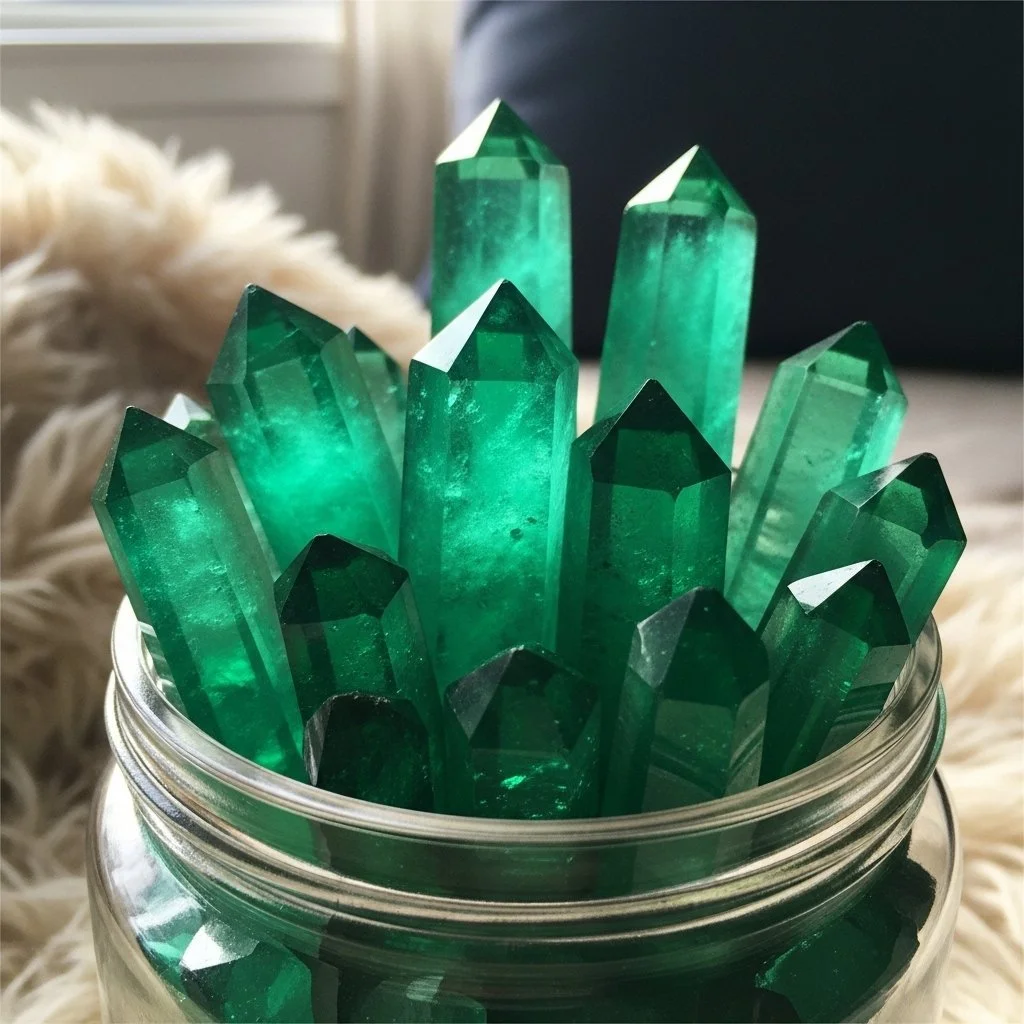
You can make this experiment part of a slow morning practice or a soft evening ritual. Place completed shells on a small cedar tray, a windowsill that receives gentle afternoon light, or beside a stack of books that invite quiet moments. The crystals catch light and create a small, meditative shimmer. I like to keep one on my bedside table and touch it before sleep. The texture feels grounding.
Use the experiment as a weekly mindfulness check-in. Set a small timer and examine changes with curiosity, not judgment. You might pair the observation with five deep breaths or a short journaling prompt. The act of checking on growth teaches patience and the art of noticing small things.
These shells also make thoughtful, tactile gifts. Wrap one in soft tissue paper and include a note about the calm intention behind it. People often tell me they keep these shells in their kitchen on a small dish, and each time they reach for a mug they pause and smile.
If you enjoy combining sensory projects, consider exploring color and pattern combinations from other projects. I sometimes blend ideas with cosmic themes found in this collection of celestial seashells for a different atmosphere.
How to Store or Reuse Bright Green Crystal Seashell Experiment
Store your finished shells in a dry, stable place away from direct sunlight. Sunlight can fade color over months. A small covered box or glass cloche works well. Place soft tissue or a bed of dried lavender underneath to cushion the shell and add a gentle scent.
If crystals become dusty, use a soft brush to remove particles. I avoid water after completion unless I plan to renew the experiment. Moisture can dissolve delicate formations. If crystals break or crumble, you can reuse the shell for a new crystallization session. Simply wash the shell gently, let it dry, and begin again.
You can repurpose larger fallen crystals in mixed media artwork or in a jar of keepsakes. I sometimes glue small clusters to a wooden tag as a tactile bookmark. If you used safe food coloring, small flakes of crystal can be safely handled, but I still recommend washing hands after touching.
For longevity, keep shells in environments with steady humidity. Sudden changes in humidity or temperature can cause crystals to flake. I keep mine away from humid bathrooms and near a window with gentle light instead.
Gentle Tips & Variations
Invite texture: Add a finely ground sand layer beneath the shell to encourage crystals to climb with different shapes. This creates more complex edges and a tactile effect.
Play with saturation: Use less sugar or alum for softer, feathery crystals. Use slightly more for denser, glassier clusters. Think of concentration as a tool of expression, not a rule.
Shift the green: Mix a touch of blue or yellow to alter the green tone. Small changes in color influence how the crystals read in light and emotion.
Try different shells: Thin, smooth shells form delicate crystals while thicker, ridged shells give crystals strong anchors. Collect shells with a gentle focus on shapes you love.
Make it a shared ritual: Invite a friend or family member to set up their own shell at the same time. Compare gentle notes after a few days. Sharing slows the pace and deepens presence.
These suggestions come from small experiments I tried over several afternoons. I learned that subtle shifts matter more than big changes. The variations keep the process fresh and personal.
FAQs About Bright Green Crystal Seashell Experiment
How long does the process take?
Expect initial crystal formation within 24 hours and more defined growth in 2 to 5 days. The timeline depends on solution concentration and room temperature. Cooler, stable rooms slow growth and often yield more intricate crystals.
Is this safe for kids?
Yes, with supervision. Use gloves and keep alum or other chemicals out of reach. For little hands, use only sugar and food coloring and let an adult handle heating. The project offers gentle sensory learning but requires care around hot water.
My crystals look dull or fuzzy. What did I do wrong?
You likely used too little alum or your solution cooled too quickly. Try a slightly warmer solution or a small amount of alum for sharper edges. Also allow slow evaporation by covering loosely to prevent dust and rapid drying.
Can I use natural dyes instead of food coloring?
You can, but natural dyes may fade faster and change as they dry. Test a small batch first. Natural dyes produce subtle, organic hues that can feel lovely in a rustic display.
How do I clean tools afterward?
Rinse spoons and containers with warm water and mild dish soap. If you used alum, wash thoroughly and keep a note about which items you dedicated to crystal work. I keep a small jar for used stirring sticks and a cloth just for cleanup.
A Gentle Note Before You Go
Sit with your hands and the shell for a moment before you finish. Place the completed piece where it can catch a quiet light. Let the process itself be the reward. You do not need perfection. You only need presence.
Slowly breathe in and let the small ritual settle. If you return tomorrow, look for new sparkles. If you choose never to try this again, keep the memory of the texture and the way light danced over tiny green facets. These small moments shape calm habits over time.
Conclusion
If you would like a sturdy example of precision gear I often read about for quiet, focused making sessions, consider the practical design of the Lightspeed Delta Zulu ANR Headset as a metaphor for thoughtful tools that support calm work. For a deeper look at how crystals and dyes interact on a scientific level, this study on efficient adsorption of crystal violet dye using functionalized Argan offers technical context that can quietly inform your choices with safety and clarity.
Thank you for spending this gentle time. May your hands stay calm and your curiosity stay soft.
PrintBright Green Crystal Seashell Experiment
A sensory-rich experiment for growing crystals on seashells that promotes calm and mindfulness.
- Prep Time: 15 minutes
- Cook Time: 0 minutes
- Total Time: 5 days
- Yield: 1 decorated shell
- Category: Crafts
- Method: DIY Experiment
- Cuisine: N/A
- Diet: N/A
Ingredients
- Clean seashells, washed and dried
- 2 to 3 tablespoons granulated sugar
- Pinch of table salt or Epsom salt (optional)
- 1 teaspoon alum or magnesium sulfate (optional)
- 1 cup warm water
- 3 to 5 drops bright green food coloring
- Small glass or ceramic shallow dish
- Wooden stirring stick or spoon
- Soft cloth or paper towels
- Tweezers or small brush (optional)
- Gloves and eye protection (optional)
- A label or small note to date your experiment
Instructions
- Prepare a calm workspace with a soft cloth and shallow dish.
- Heat 1 cup of warm water in a saucepan until comfortably warm.
- Stir in 2 to 3 tablespoons of sugar until dissolved.
- Add a pinch of salt if desired, and stir gently.
- Dissolve 1 teaspoon of alum or magnesium sulfate if using.
- Add 3 to 5 drops of bright green food coloring.
- Place the cleaned shell in the shallow dish and spoon the warm solution over it.
- Cover the dish loosely with a paper towel to allow evaporation.
- Check the shell daily to observe crystal growth and take notes.
- Gently pour off excess solution when satisfied with growth and allow to dry.
Notes
Use baking sugar in place of any specialty sugar. Crystals may still form without alum but will be softer. Store completed shells out of sunlight to prevent fading.