

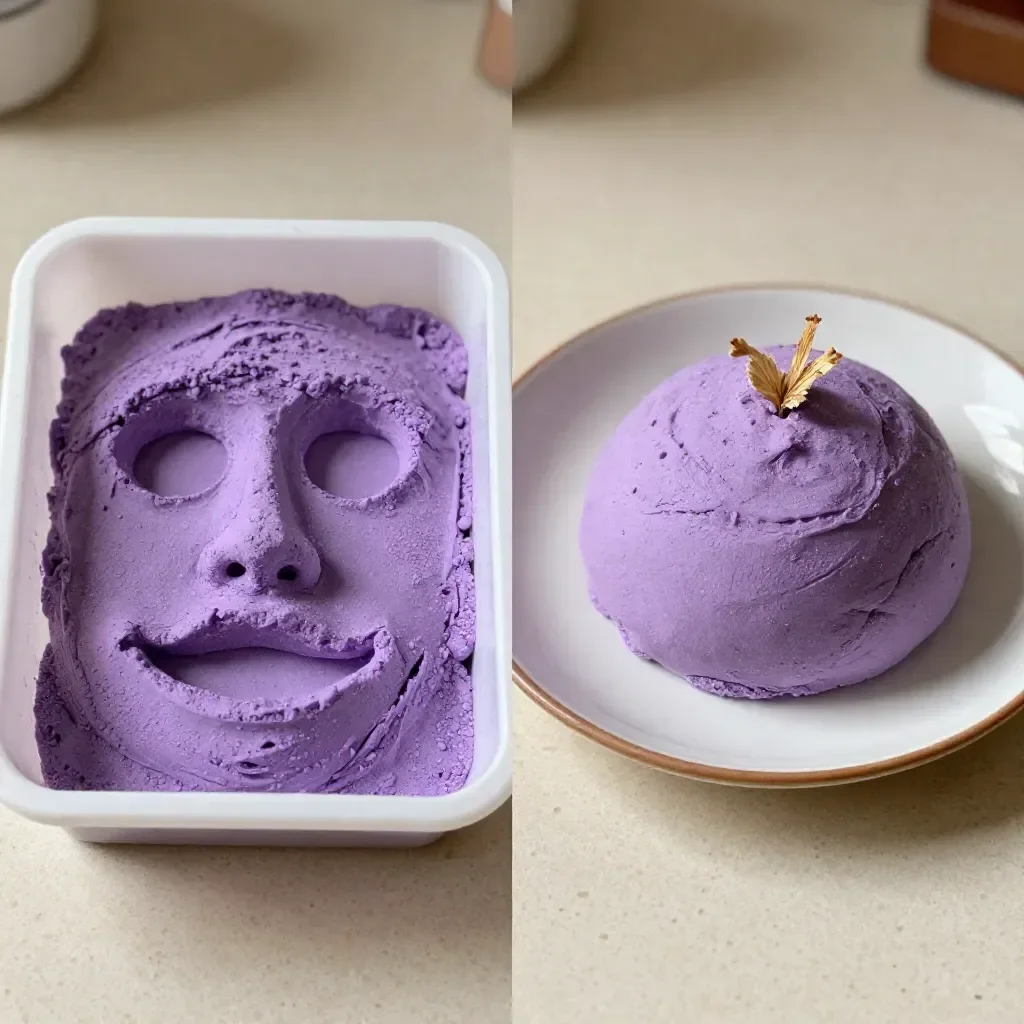
Moon sand is a delightful sensory experience that invites calm into your space. As your fingers sink into the fine, soft grains, the world around you quiets down. The texture is reminiscent of warm beach sand, only cooler and more pliable, creating a soothing interaction for both kids and adults alike. Each scoop brings a sense of peace and invites creativity, making it an ideal activity for mindful moments. You may also find Diy Moon Rocks Glow Bounce useful.
The Heart Behind This DIY
Creating moon sand offers more than just a playful pastime. It allows individuals to engage in a focused activity that can be both grounding and meditative. The process of making moon sand encourages mindfulness, where every texture and sound invites you to slow down and center yourself. This simple yet profound craft becomes a respite from daily busyness, giving space for imagination and relaxation. You can even explore more DIY ideas like kinetic sand to further enhance your sensory creations.
The Flow of Making Moon Sand
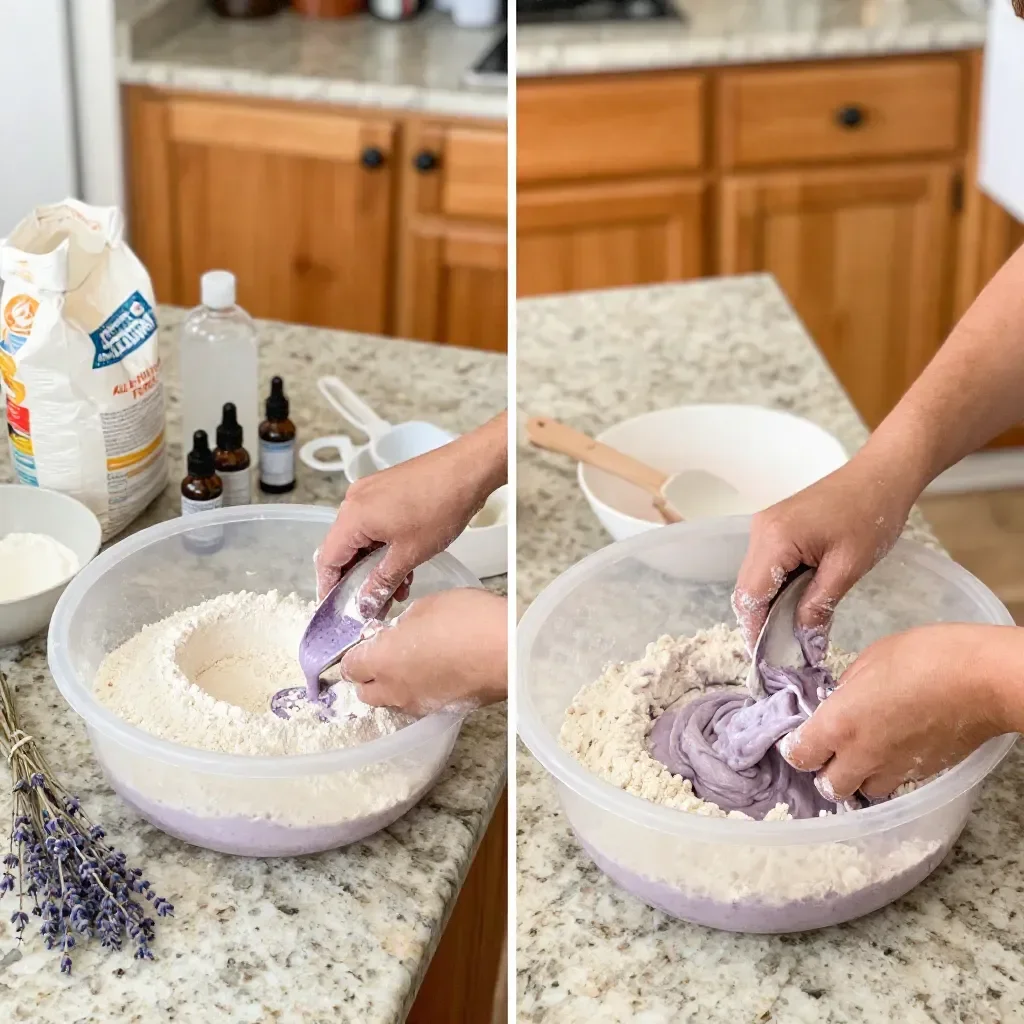
Before diving in, it’s helpful to embrace the gentle flow of creating moon sand. The process involves tactile engagement, where you’ll mix and feel the materials come together. You’ll notice the soft sounds of crumbling grains and feel the coolness against your skin, creating a delightful rhythm. This harmonious blending of sensory experiences allows you to connect with the task at hand and promotes a peaceful environment. You may also find Kids Rainbow Sand Diy Recipe useful.
Materials You’ll Need
Gathering materials for moon sand is simple and often involves household items. Here’s a gentle list to help you prepare: You may also find Rainbow Sand useful.
- 8 cups of flour (all-purpose works well)
- 1 cup of vegetable oil (or baby oil)
- Optional: food coloring or essential oils for scent
- A mixing bowl
- A storage container for after use
These materials are easy to find and offer variations based on your preferences. The additional elements like food coloring can enhance the visual sensory experience, inviting further enjoyment.
Step-by-Step Directions
- In a large mixing bowl, combine 8 cups of flour with 1 cup of vegetable oil.
- Use your hands to mix the flour and oil together. Take time to feel the texture change.
- If you’d like to add color, introduce a few drops of food coloring while mixing, adjusting until you reach your desired shade.
- The mixture should be crumbly but hold together when squeezed, resembling a damp sand texture.
- Once combined, you can transfer your moon sand into a storage container for future use.
Enjoying the Finished Piece
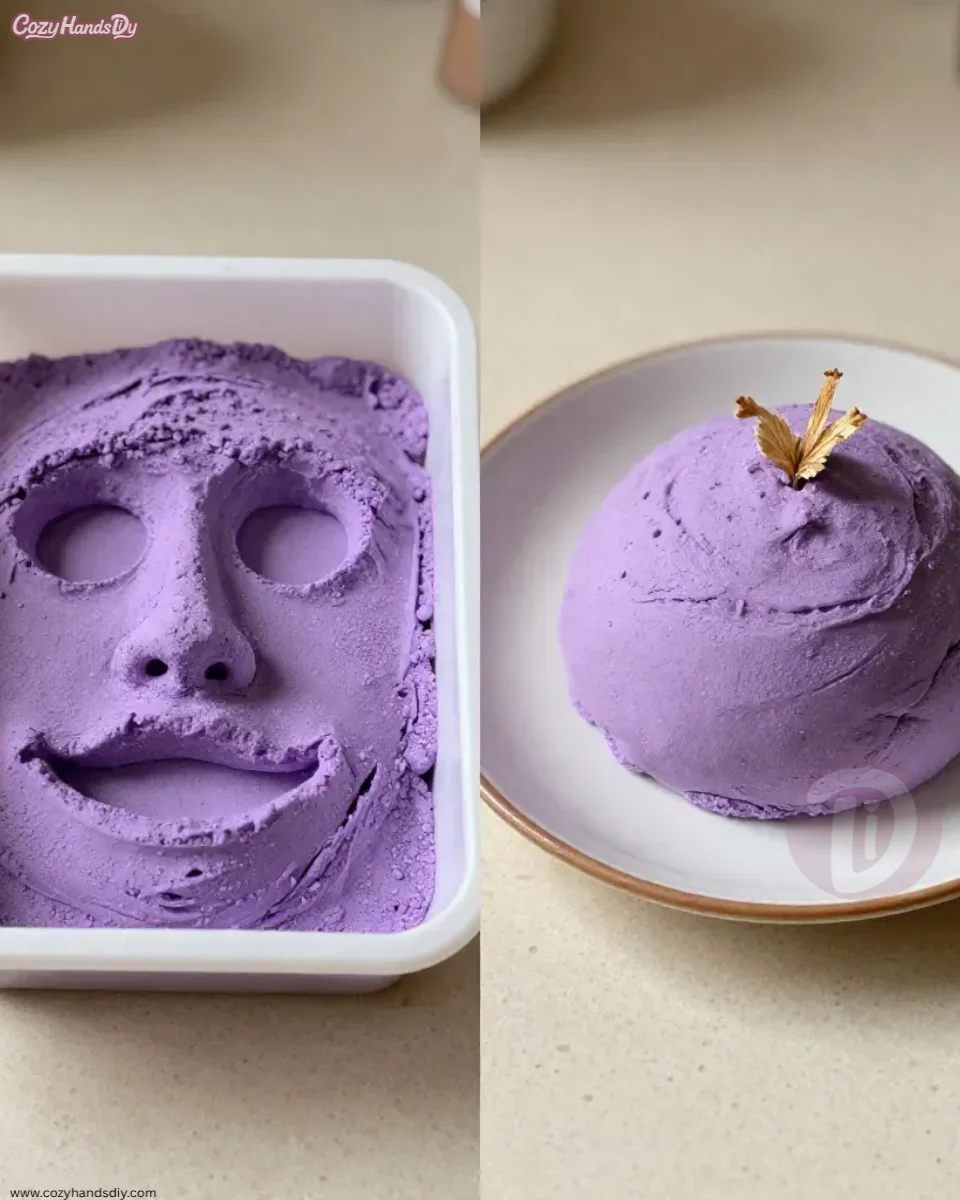
Moon sand can be enjoyed in various ways. It serves as a wonderful sensory play tool for children, providing them with an opportunity to explore texture and creativity. You can create small art pieces, build miniature landscapes, or simply enjoy the feel of it in your hands. The calming activity of molding and shaping can be a comforting addition to your daily routine. Consider displaying your creations in a special spot in your home to serve as a tactile reminder of creativity and peace.
How to Store or Reuse Moon Sand
Proper storage can help maintain the quality of your moon sand. Keep it in an airtight container to prevent it from drying out. If it begins to lose its texture, you can revive it by adding a small amount of oil back into the mix. Moon sand can last for a long time, making it a valuable tactile resource for ongoing creative projects and calming play.
Gentle Tips & Variations
- For a sensory twist, try adding dried lavender or other herbs to your moon sand for a calming scent.
- Experiment with different colors of food dye to create vibrant, visually appealing sand.
- You can also substitute any vegetable oil with coconut oil to add a gentle fragrance and a slight sheen.
- If you’re crafting with children, encourage them to add their own flair by including small toys or natural elements like shells and stones.
FAQs About Moon Sand
What is moon sand made of?
Moon sand is typically made from flour and vegetable oil, which creates a soft, moldable texture.
Is moon sand safe for children?
Yes, moon sand is generally safe for play, but supervision is advised, especially with younger children who may be inclined to taste it.
How can I make moon sand last longer?
Store moon sand in an airtight container in a cool, dry place to keep it from drying out.
Can I use other oils besides vegetable oil?
Yes, you can experiment with other oils like baby oil or coconut oil for different textures and scents.
Conclusion
Moon sand brings a unique blend of sensory play and creativity that many find soothing. If you’d like to explore more about moon sand recipes, you can check this moon sand recipe. For those interested in creating a safe version of this delight, Parenting Chaos offers a fantastic taste safe alternative. Embrace the calming experience of making and playing with moon sand, allowing it to enrich your creative moments.
PrintDIY Moon Sand
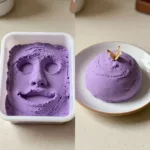
Moon sand is a delightful sensory experience that invites calm and creativity into your space.
- Prep Time: 10 minutes
- Cook Time: 0 minutes
- Total Time: 10 minutes
- Yield: Varies based on use
- Category: Crafts
- Method: Mixing
- Cuisine: N/A
- Diet: N/A
Ingredients
- 8 cups all-purpose flour
- 1 cup vegetable oil (or baby oil)
- Optional: food coloring or essential oils for scent
- A mixing bowl
- A storage container for after use
Instructions
- Combine 8 cups of flour with 1 cup of vegetable oil in a large mixing bowl.
- Use your hands to mix the flour and oil together, feeling the texture change.
- Add a few drops of food coloring if desired, adjusting until reaching your desired shade.
- Check that the mixture is crumbly but holds together when squeezed, resembling damp sand.
- Transfer the moon sand into a storage container for future use.
Notes
Moon sand can be enhanced with dried lavender or other herbs for a calming scent. Ensure to store it in an airtight container.