


The late afternoon light slips through my kitchen window and warms the wooden table. I lay out tiny scraps of clear plastic, a bowl of collected shells, and a spool of twine. The quiet is soft and steady, and the pieces catch the sun as I sort them. Sustainable Suncatchers That Glow in the Sunlight feel like a small ritual, an invitation to slow down, feel textures, and watch light change in a room.
I have made these across many gentle afternoons. I will share the ways they come together, what to expect with each touch, and how simple, thoughtful choices make them kind to the planet. If you enjoy projects with a soft evening glow, you might like a similar, cozy build I once made with tiny crystals in a tree that also captures nighttime light in this project.
The Quiet Joy of Making Sustainable Suncatchers That Glow in the Sunlight
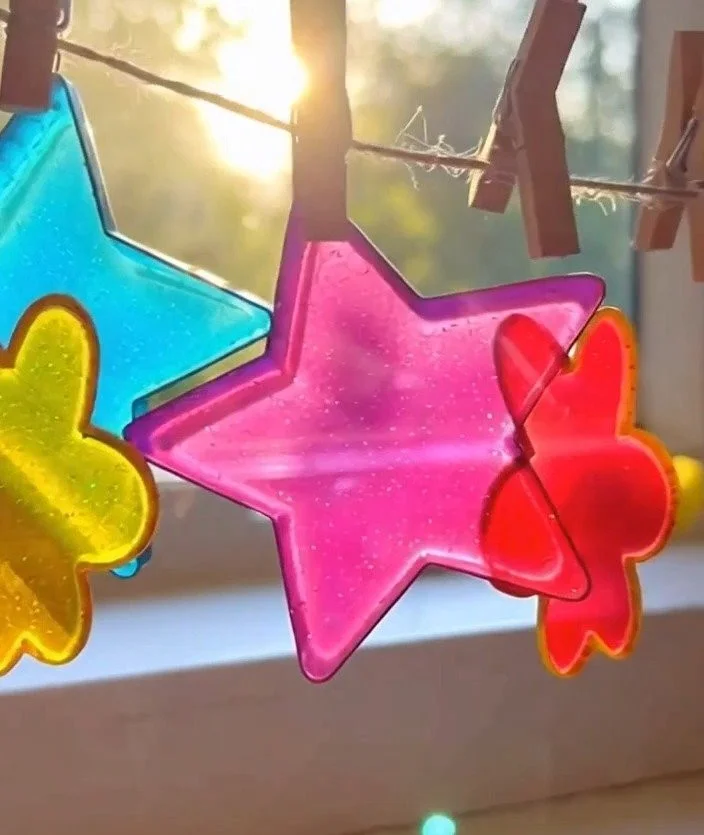
These suncatchers bring a kind of calm that starts before the glue dries. The act of choosing bits of material, arranging color, and feeling the weight of a bead in your palm asks you to be present. The slow rhythm of cutting, pressing, and pausing to watch a shape turn translucent helps steady your breath.
I often find that the sensory details do the most work. Smooth plastic warms in your hands. Faded buttons have a soft clack when they join a string. The light through a reused bottle fragment becomes a small landscape on the wall. Creating these suncatchers asks you to notice color shifts, temperature, and the tiny sounds of craft. That gentle noticing feels grounding.
This project also honors care for materials. Using reclaimed plastic, glass, and natural finds invites a small act of repair for the world. It feels good to make something that returns beauty to a used piece. For context on DIY bioplastic options that tinker softly with nature and light, consider this explorative guide to eco-friendly suncatchers about materials and choices.
A Gentle Look at the Process
Before we list supplies, picture the work. You will cut and sand, press and hang, and move from table to window like a quiet dance. The motions feel slow and tactile. You will hear the soft scrape of sandpaper and the low click of beads on twine.
Start with a clear workspace. Arrange materials in small bowls. Let the light guide you. This is not a race. Take breaks to lean closer and notice the way light bends through a thin scrap of plastic. The process loves patience.
I like to play soft music, or keep the room still and let the sounds of the craft be the soundtrack. When I make, I set aside an hour, often across two days. The first day I cut and arrange. The second day I finish edges and hang the pieces where they can catch sun all morning.
Materials You’ll Need
- Reclaimed clear plastic sheets or old transparent packaging (easy to find; look for PET or similar)
- Small glass fragments from broken jars (smooth or sanded) or responsibly sourced sea glass
- A small amount of clear craft resin or homemade bioplastic solution (resin for durability; bioplastic for compost-friendly options)
- Thin copper wire or natural twine (copper gives a gentle weight; twine feels soft)
- Small beads, buttons, or found bits for texture (optional)
- Scissors and small craft shears (sharp and safe)
- Fine grit sandpaper (220 to 400 grit; for softening edges)
- A heat source such as a hair dryer or low heat gun for shaping thin plastic (use carefully)
- Clear glue suitable for plastic and glass (solvent-free when possible)
- Small hooks or suction cup hangers for windows
- Protective gloves and a well-ventilated space when using resin or heat
Notes: Many items come from what you already have. If you want a fully plant-based route, swap resin for a simple bioplastic recipe and look through the links above to guide that choice. For a child-friendly version, skip heat and resin and use glue and sanded edges only.
Step-by-Step Directions
Gather your pieces and sort them by size and translucency.
Feel the shapes in your hands and set aside those with soft curves.
Work slowly and let the pieces speak to one another.Cut the reclaimed plastic into simple shapes.
Use scissors or shears with smooth strokes.
Keep shapes small enough to balance with beads and glass.Soften rough edges with fine grit sandpaper.
Sand with gentle passes until the edge feels smooth and warm.
Pause and rub your thumb over the edge to check comfort.If using a heat source, shape thin plastic into gentle curves.
Warm the plastic in short bursts and bend softly.
Let it cool fully before moving to the next step.Arrange glass fragments and found bits on top of your plastic shapes.
Play with layering until the light looks inviting.
Think about how sun will pass through each layer.Attach pieces with clear glue or a thin layer of resin.
Apply glue in small dots and press with clean fingers or tweezers.
If you use resin, follow the safety notes and cure times carefully.Loop wire or tie twine through a top hole or twist it around the piece.
Add beads or buttons to the string for texture and weight.
Trim ends and secure knots with a dab of glue if needed.Let everything cure or dry fully in a level spot with good light.
This can take from a few hours to a full day depending on adhesive.
Use the waiting time to wash cups, straighten tools, and breathe.Attach a small hook or suction cup and hang in a sunny window.
Step back and watch the light move across the room.
Note which angles bring out the best glow and adjust height.Sit quietly and notice how the suncatcher changes with the day.
Record one small observation about color or shadow.
This practice makes the craft more like a gentle ritual.
Bringing Sustainable Suncatchers That Glow in the Sunlight Into Your Space


Once finished, these suncatchers feel at home in many quiet corners. Hang a cluster in a kitchen window and watch the pieces throw soft speckles across a breakfast table. Tie a single piece from a plant hook and let it sway over a reading nook. Placing one near a mirror multiplies the light and gives a subtle glow to a dim room.
I like to group different sizes together. A small trio can make a calm rhythm on a narrow pane. A single larger piece makes a focused, gentle statement. If you live where direct sun is strong, hang the suncatcher in a spot that gets morning or late afternoon light only. The glow will feel warm and not overpowering.
You will notice small daily shifts. On cloudy days, the pieces still catch a soft, muted light. In winter, the glow feels cooler and quiet. These changes remind you of weather, of slow time, and of the simple pleasure of light.
How to Store or Reuse Sustainable Suncatchers That Glow in the Sunlight
Store suncatchers flat in a box with soft tissue between pieces.
Keep them out of direct heat to avoid warping.
If a piece breaks, collect shards in a small jar for future mosaic use.
You can remove beads and reuse wire or twine in new pieces.
Resin layers that remain strong can be repurposed into smaller charms.
If you made bioplastic elements, compost any fully plant-based scraps according to guidance for your local area.
When long-term care feels necessary, give each suncatcher a gentle wash with mild soap and water.
Avoid harsh chemicals that dull the shine.
Dry fully and return to a sunny window when the room feels ready for it.
Gentle Tips & Variations
- Invite nature to the table: use pressed leaves or thin petals pressed between clear plastic layers for a soft organic texture. This brings small smells and a tactile calm to each piece.
- Try color with transparency: stain thin plastic with a bit of diluted fabric dye or watercolor for gentle hues. Test small patches first to see how the light shifts.
- Make a wind-friendly mobile: balance pieces with small copper wire hoops and beads for a slow-turning mobile that sings with a soft clink. Use only weatherproof materials if you plan to hang it outside.
- Use found glass responsibly: sand sharp edges and label any pieces you keep for crafts. If you collect items from the shore, rinse and clean them well to prevent salt damage.
- Swap resin for DIY bioplastic: if you prefer a compostable finish, experiment with a bioplastic recipe and test durability before large pieces. I learned this the calm way by starting small, trying a pendant, then scaling up.
These are invitations. Try one, then drift back to the quiet center of the project. Small changes teach much and keep the work feeling like your own.
FAQs About Sustainable Suncatchers That Glow in the Sunlight
Q: Are these suncatchers safe for a home with curious pets or children?
A: Yes, with some mindful choices. Keep small beads out of reach of pets and children. Use rounded, sanded glass and avoid thin shards. Hang pieces higher where curious hands cannot reach. If you use resin, let it cure fully and store mixed resin out of reach.
Q: What materials make the brightest glow in sunlight?
A: Clear glass and thin, transparent plastics catch and refract the most light. Layering different transparencies creates a soft spectrum. Metallic beads add tiny highlights, and copper wire gives a warm tone when light touches it.
Q: Can I make a portable suncatcher for my car or porch?
A: Yes. Tie pieces securely with knot tests and use weatherproof twine or metal wire. For cars, keep designs compact and balanced to avoid rattling. For porches, choose materials that can handle humidity and wind.
Q: How long will bioplastic or resin pieces last?
A: Resin pieces can last many years with gentle care. Bioplastic pieces may soften over time, especially in heat. If you want longevity, reserve resin for outdoor or long-term pieces and use bioplastic for small keepsakes or seasonal projects.
Q: I do not have a lot of time. Can I make a simple version in one session?
A: Absolutely. Cut a few small shapes, sand edges, glue a glass fragment, and tie a short length of twine. Hang it in a window and sit with it for ten minutes. Even this small act brings the same quiet joy.
A Gentle Note Before You Go
Before you move on, take a moment to breathe and look around the room where your suncatcher will hang. Think about the weight of light there. Consider what small items you already have that could join the piece. Gentle projects ask little of the world and return small joys in plenty.
Keep the making slow and soft. There is no right final look. The work teaches patience and presence. If you created one today, hold it up and notice a detail you did not plan. Let that surprise become part of your next quiet session.
Conclusion
If you would like to see hand-crafted examples for inspiration, you might enjoy the work at Sun Glowz Hand Crafted Sun Catchers, which shows a variety of ways people use light and materials. For a deeper look at eco-friendly alternatives and a step-by-step approach to bioplastic suncatchers, this helpful write-up offers a gentle guide DIY Bioplastic Suncatchers: Eco-Friendly Art That Shines Bright!.
Thank you for making with intention. Hold the light with curiosity and kindness as you go.
PrintSustainable Suncatchers That Glow in the Sunlight

Create beautiful suncatchers using reclaimed materials that catch and refract light, turning your window into a vibrant display.
- Prep Time: 60 minutes
- Cook Time: 0 minutes
- Total Time: 60 minutes
- Yield: 1 suncatcher
- Category: Craft
- Method: Crafting
- Cuisine: N/A
- Diet: N/A
Ingredients
- Reclaimed clear plastic sheets or old transparent packaging
- Small glass fragments or responsibly sourced sea glass
- Clear craft resin or homemade bioplastic solution
- Thin copper wire or natural twine
- Small beads, buttons, or found bits for texture (optional)
- Scissors and small craft shears
- Fine grit sandpaper (220 to 400 grit)
- A heat source (hair dryer or low heat gun)
- Clear glue suitable for plastic and glass
- Small hooks or suction cup hangers
- Protective gloves and a well-ventilated space
Instructions
- Gather your pieces and sort them by size and translucency.
- Feel the shapes in your hands and set aside those with soft curves.
- Cut the reclaimed plastic into simple shapes.
- Soften rough edges with fine grit sandpaper.
- If using a heat source, shape thin plastic into gentle curves.
- Arrange glass fragments and found bits on top of your plastic shapes.
- Attach pieces with clear glue or a thin layer of resin.
- Loop wire or tie twine through a top hole or twist it around the piece.
- Let everything cure or dry fully in a level spot with good light.
- Attach a small hook or suction cup and hang in a sunny window.
- Sit quietly and notice how the suncatcher changes with the day.
Notes
Many items come from what you already have. For a child-friendly version, skip heat and resin and use glue and sanded edges only.