
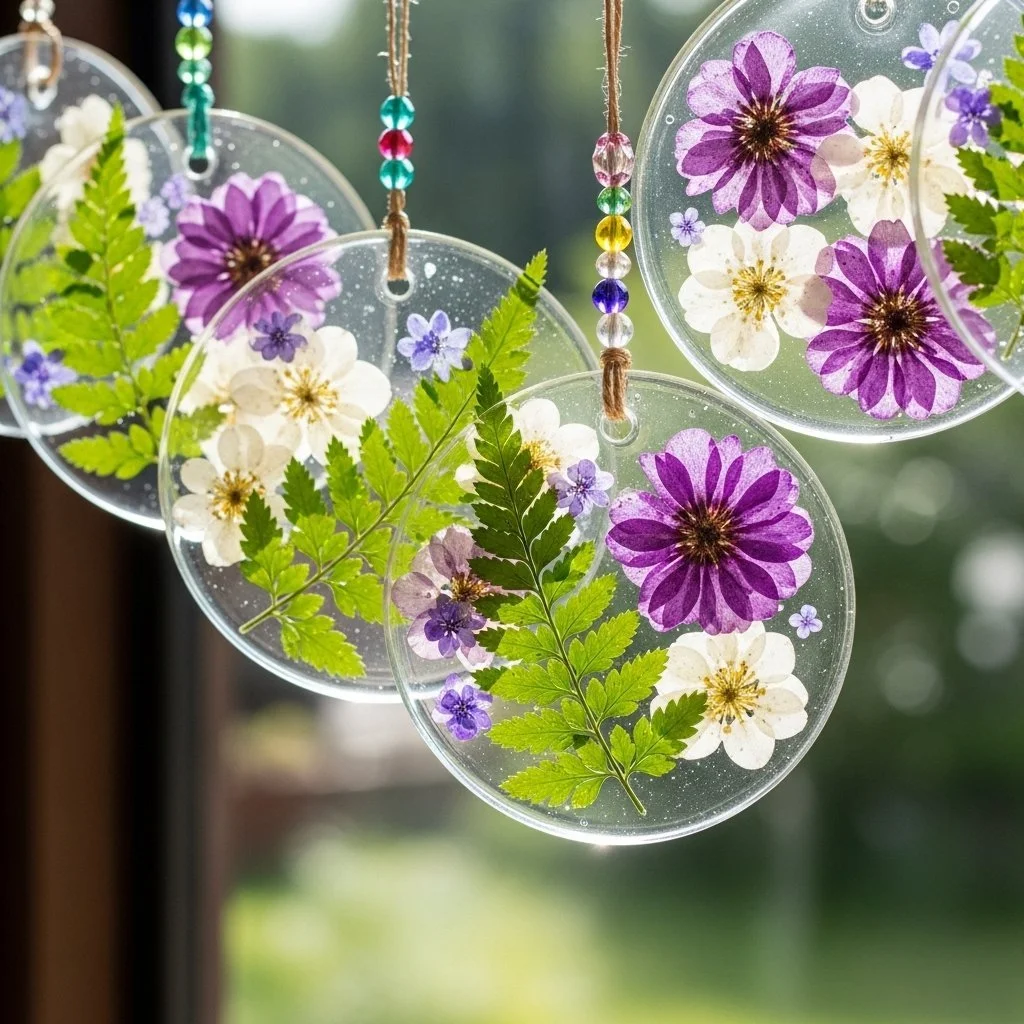
I press a small cup of warm cornstarch paste between my palms and feel it change from slick to satiny, like dust settling into clay. A single fragile petal sinks into the surface and the paste cups it, holding shape as it dries. I breathe slowly and listen to the faint soft crackle of paper-thin petals tightening; Cornstarch Flowers Preservation sits between kitchen alchemy and quiet craft, an act that asks for patience, gentle hands, and attention to texture. If you enjoyed the tactile comfort of the cornstarch dish soap bubble dough project on the site, you will find a similar calm here, but with the hush of petals and the slow hush of drying.
Why Cornstarch Flowers Preservation Feels Comforting to Create
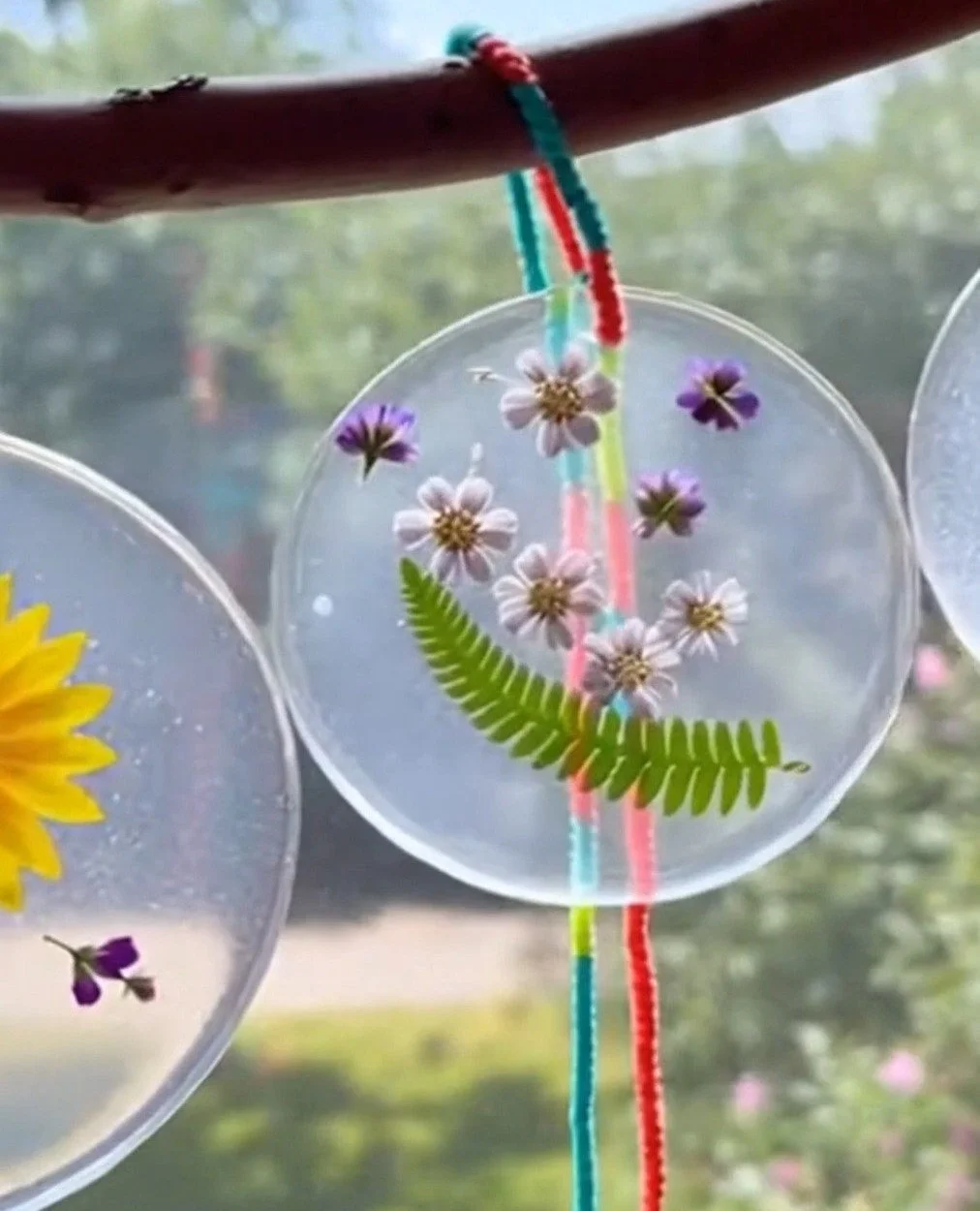
Making Cornstarch Flowers Preservation invites you to slow down with simple ingredients and the tiny science of binding. You touch soft powder, warm water, and translucent petals. You watch color deepen as moisture meets cornstarch, then shift again as the pieces dry to a matte, preserved form. The rhythm of measuring, stirring, and gently smoothing petals into the paste gives the hands a steady task and the mind a place to rest.
This craft asks for small, focused movements. The sensory details themselves quiet the busy mind. The paste feels cool at first, then becomes warmer under your hands. The petals whisper against one another. You notice how each flower responds differently; some curl inward, others flatten out, and each retains a piece of its living texture. That thoughtful attention becomes part of the preservation, and the result holds a memory of touch as much as color.
The Flow of Making Cornstarch Flowers Preservation
Before you begin you will move through gentle stages: gathering, mixing, pressing, drying, and finishing. Each stage has its own pace. Mixing calls for slow, circular strokes that let you feel the paste thicken. Pressing petals into the mixture asks for delicate pressure, like closing a book on a pressed page. Drying teaches patience; time and air do most of the work. The whole process unfolds with quiet, repeated motions that feel meditative.
In my kitchen, I place a soft towel on the table and lay out small bowls of petals sorted by hue. I set a shallow baking tray by the window for drying. Light moves across the petals as morning passes, and I check on them with a practiced, calm patience. Sometimes I leave a cup of tea nearby and let the slow making become part of an ordinary morning. If you have tried other delicate making projects, you might enjoy this similar slow rhythm, and a helpful recipe for related botanical suncatchers appears in the bioplastic suncatchers recipe if you want to explore different ways to hold flowers in a translucent medium.
What You’ll Use to Make Cornstarch Flowers Preservation
- Cornstarch, 1 cup (easy to find; acts as the binding and bulk)
- Water, about 1/2 cup (softens the cornstarch, lets it form a paste)
- White glue or natural PVA, 1/4 cup (optional; adds strength and flexibility)
- Glycerin, 1 teaspoon (optional; keeps preserved pieces slightly flexible)
- A few drops of clear glue or diluted Mod Podge for sealing (optional)
- Fresh petals, well-dried leaves, or small whole flowers (test one first)
- A small mixing bowl and spoon (wood or silicone feels warm and gentle)
- A fine paintbrush or small silicone spatula for spreading (soft touch)
- Wax paper or silicone mat for drying (nonstick and forgiving)
- Kitchen scale or measuring cups (simple accuracy helps repeatability)
- Clean scissors and tweezers for delicate placement (optional)
- Soft towel to work upon (comfort and catch stray bits)
- A shallow tray to dry pieces in a well-ventilated space (stability and air)
I like to keep a small selection of petals to experiment with, and I plan for substitutions. If you prefer fully natural ingredients, you can omit glue and rely on cornstarch and glycerin. If you want more rigidity, add the glue gently. For translucent, thin results, use smaller amounts of cornstarch and more water. You can find more inspiration for working with embedded flowers in the bioplastic suncatchers with flowers project.
Step-by-Step Directions
-
Prepare your workspace and petals.
Place a soft towel and mat on a flat surface.
Lay petals out single layer to remove dust and let them air a few minutes. -
Measure cornstarch and water.
Put 1 cup cornstarch in the bowl.
Slowly add about 1/2 cup water while stirring to avoid lumps. -
Stir into a smooth paste.
Mix in steady circular motions until the mixture feels like thick cream.
Pause and feel the texture; it should hold a light peak but remain spreadable. -
Add glue and glycerin if using.
Stir in 1/4 cup white glue for strength and 1 teaspoon glycerin for flexibility.
The mixture will gain a slight translucence and feel more cohesive. -
Test with a spare petal.
Press a small scrap petal into a dab of paste to see how it behaves.
Adjust the mix: add a tablespoon of water for more spread, or a teaspoon of cornstarch for stiffness. -
Arrange a working surface for pressing.
Lay a sheet of wax paper on the mat.
Spoon a thin layer of paste onto the paper where you will press a petal. -
Press petals gently into the paste.
Use tweezers or fingers to lay a petal face down.
Smooth paste lightly over the back with a brush so edges sit snugly. -
Shape and thin edges.
Tap the edges with a damp finger or brush to remove excess paste.
Thin edges dry clearer and more natural; keep the center slightly thicker for support. -
Let pieces dry slowly.
Move the tray to a well-ventilated spot away from direct sun.
Leave overnight or up to 48 hours depending on size and humidity. -
Finish with a seal if desired.
When completely dry, dust lightly with a soft brush to remove loose starch.
Apply a thin coat of clear glue or diluted Mod Podge to strengthen and reduce powdery feel.
Enjoying the Finished Piece
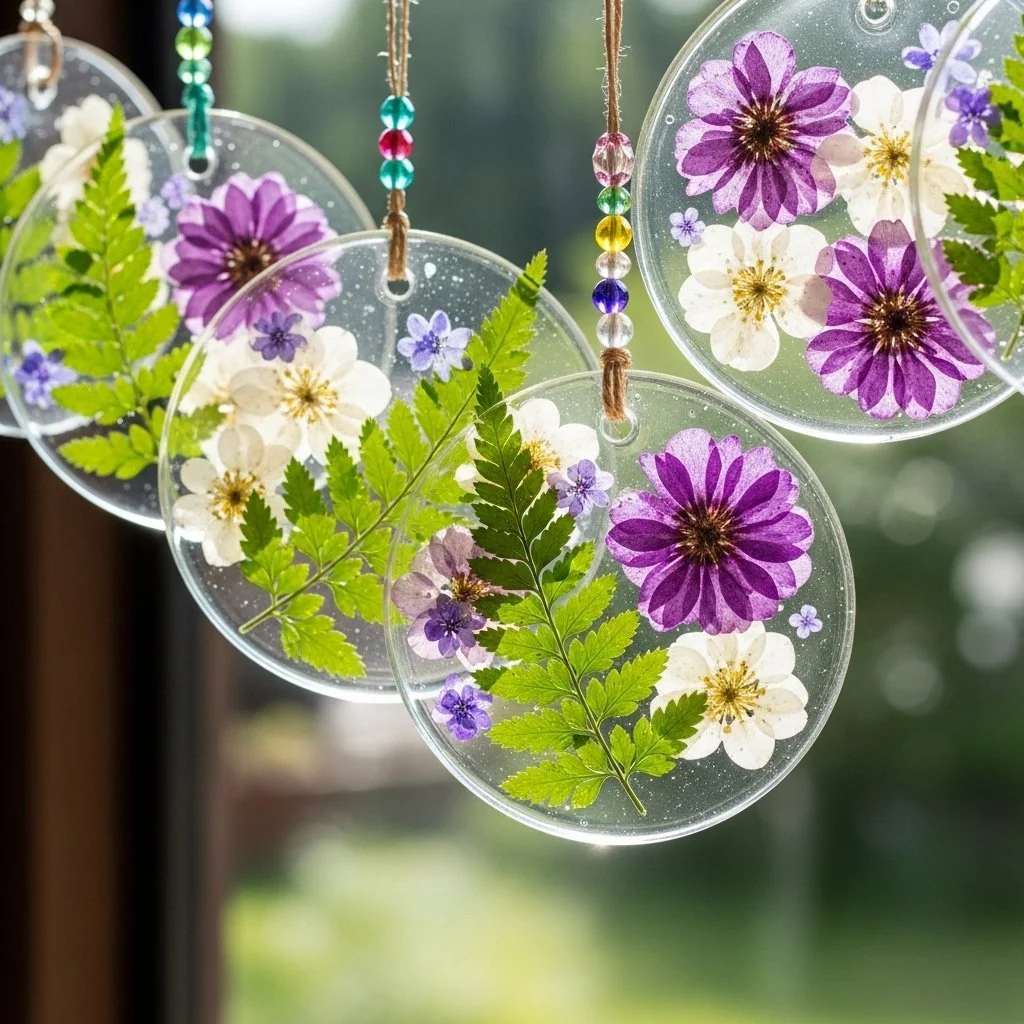
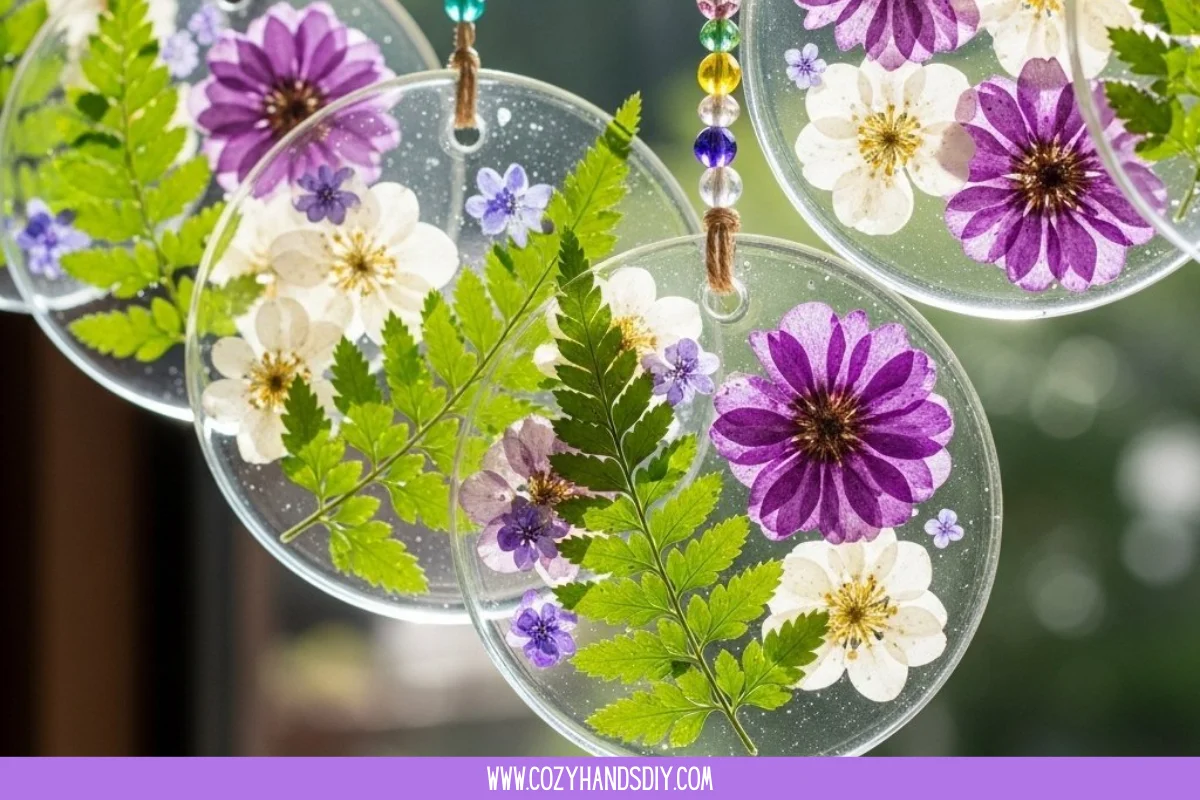
Once the pieces dry, they have a quiet confidence. The petals feel firmer yet retain a hint of their original texture. Their colors often deepen slightly and become muted, like a memory that rests. I place small preserved blossoms in shallow bowls, nest them in glass jars, or glue them to paper to make delicate cards. Some pieces I leave whole, others I trim and layer into simple ornaments.
Because the preserved flowers weigh little, they find gentle places around the house. A tiny cluster perched on a windowsill looks like a moment caught in the light. A single preserved petal tucked into the corner of a journal becomes a small talisman you can touch and recall the making. These pieces invite slow looking. You learn to appreciate the subtle shifts in color and how the texture changes under soft light.
Bringing Cornstarch Flowers Preservation Into Your Space
Preserved petals suit quiet displays. A shallow wooden bowl with five or six pieces reads like a tiny landscape. In a clear cloche, the warmth of a lamp can make colors seem to glow, as long as you avoid prolonged direct heat. I sometimes press a few petals onto simple tags for gifts, or glue tiny clusters onto the inside of an old frame to create a pressed-flower wall accent.
Because the pieces are light and fragile, place them where they will not be knocked or exposed to heavy handling. Consider small groups rather than sprawling arrangements; they carry a meditative stillness that thrives in small, considered vignettes. If you like to pair plants with sound, try setting your display near a soft wind chime or a small fountain so the space feels alive without being busy.
How to Store or Reuse Cornstarch Flowers Preservation
Store finished pieces in a dry box or paper-lined drawer to protect them from dust and humidity.
Avoid sealed plastic if you still sense a little moisture; allow air circulation to prevent softening.
If a piece softens, let it dry again on wax paper for several days in a warm, dry spot.
Reuse comes easily. If a preserved petal chips, you can glue it onto a card or incorporate it into a collage.
Trim edges with small scissors to freshen shapes and layer bits for new texture.
If you want a translucent effect again, brush on a thin layer of diluted clear glue and re-dry.
Gentle Tips & Variations
-
Invite color play: Try layering two petals with the lighter one on top. The paste will hold both and create a soft translucence where they overlap. This can create subtle depth without extra work.
-
Try smaller flowers: Tiny blooms like baby’s breath or small daisy faces often preserve with lovely detail. They need less paste and shorter drying time, making them gentle introductions to the method.
-
Make a test strip: Always test a petal first to see how it reacts to the paste and glue. Some flowers bleed pigment more than others. A quick test prevents surprises and protects your favorite pieces.
-
Explore texture with embossing: After drying, press lightly with a soft rubber stamp or the back of a spoon to add faint impressions. Work slowly and test on an extra piece before altering a favorite petal.
-
Look to other projects for ideas: If you enjoy creating with preserved flowers, you may like the simple crystalline structures in the crystal flowers project as another way to highlight small botanical moments.
What I’ve Learned While Making This
I learned to wait. Rushing the drying step changed the character of pieces, making them more brittle or unevenly colored. Gentle, steady patience keeps petals graceful.
I learned to trust touch. The right amount of paste feels like soft modeling clay against the finger; not sticky, not chalky. Listening to that tactile feedback helps me know when to add a little water or a little starch.
I learned to accept imperfection. Some petals curl in charming, unpredictable ways. Those pieces often feel most alive, because they remember how they once lived on the plant.
FAQs About Cornstarch Flowers Preservation
Q: How long will preserved petals last?
A: With cool, dry storage away from direct sunlight, these pieces can last many months to a few years. They fade slowly. Keep them dry and avoid humid places like bathrooms.
Q: Are all flowers safe to preserve this way?
A: Most common garden flowers work, but some release color or oils that alter the finish. Test a single petal first. Avoid plants that you know are toxic if you plan to handle preserved pieces often, and wash hands after making.
Q: Can I add scent to preserved flowers?
A: You can lightly brush on a few drops of essential oil to a cotton ball and tuck it near the preserved pieces rather than applying directly. Direct application can change color or attract dust.
Q: Is cornstarch safe to work with?
A: Cornstarch is food-safe and gentle on the skin. Still, some people may prefer gloves if they have sensitive skin. If you add glue or Mod Podge, work in a ventilated area and let pieces dry fully before handling frequently.
Q: Can I make jewelry or long-wear objects with these pieces?
A: These preserved petals are delicate. If you plan to make jewelry, use a rigid backing and seal thoroughly with a clear resin or a durable sealant. Test your chosen finish on a spare piece to ensure the look and flexibility work for wearables.
A Quiet Closing Thought
This project rewards soft rhythms more than precision. It asks you to move with attention and to find pleasure in small shifts: a color blooming darker, a petal flattening into a new shape, the faint powdery scent of cornstarch as it dries. When you make these preserved petals, you create a kind of hands-on lullaby for the senses. Keep your workspace calm, allow time for drying, and let the process become a place where your hands and your mind can rest together.
Conclusion
If you would like to learn more about the broader craft of preserving flowers and the methods people use, this helpful guide explains several gentle approaches and their effects: The Art of Drying Flowers: Methods and Preservation Tips. For practical horticultural guidance and safer drying practices, this university factsheet offers grounded, research-based advice: Drying Flowers – HGIC@clemson.edu.
Take your time. Let the simple textures slow you. When you return to these small, preserved blooms, you return to a memory you shaped with your own hands.
PrintCornstarch Flowers Preservation
A calming and creative craft that preserves fresh petals using a simple cornstarch paste.
- Prep Time: 15 minutes
- Cook Time: 0 minutes
- Total Time: 60 minutes
- Yield: 1 project
- Category: Craft
- Method: Crafting
- Cuisine: N/A
- Diet: N/A
Ingredients
- Cornstarch, 1 cup
- Water, about 1/2 cup
- White glue or natural PVA, 1/4 cup (optional)
- Glycerin, 1 teaspoon (optional)
- A few drops of clear glue or diluted Mod Podge for sealing (optional)
- Fresh petals, well-dried leaves, or small whole flowers
- A small mixing bowl and spoon
- A fine paintbrush or small silicone spatula
- Wax paper or silicone mat for drying
- Kitchen scale or measuring cups
- Clean scissors and tweezers (optional)
- Soft towel
- A shallow tray
Instructions
- Prepare your workspace and petals.
- Place a soft towel and mat on a flat surface.
- Lay petals out single layer to remove dust and let them air a few minutes.
- Measure cornstarch and water.
- Put 1 cup cornstarch in the bowl.
- Slowly add about 1/2 cup water while stirring to avoid lumps.
- Stir into a smooth paste.
- Mix in steady circular motions until the mixture feels like thick cream.
- Add glue and glycerin if using.
- Stir in 1/4 cup white glue for strength and 1 teaspoon glycerin for flexibility.
- Test with a spare petal.
- Press a small scrap petal into a dab of paste to see how it behaves.
- Arrange a working surface for pressing.
- Lay a sheet of wax paper on the mat.
- Spoon a thin layer of paste onto the paper where you will press a petal.
- Press petals gently into the paste.
- Use tweezers or fingers to lay a petal face down.
- Smooth paste lightly over the back with a brush so edges sit snugly.
- Shape and thin edges.
- Tap the edges with a damp finger or brush to remove excess paste.
- Let pieces dry slowly.
- Move the tray to a well-ventilated spot away from direct sun.
- Leave overnight or up to 48 hours depending on size and humidity.
- Finish with a seal if desired.
- When completely dry, dust lightly with a soft brush to remove loose starch.
Notes
Consider substitutions for fully natural ingredients and experiment with different types of petals for unique results.