

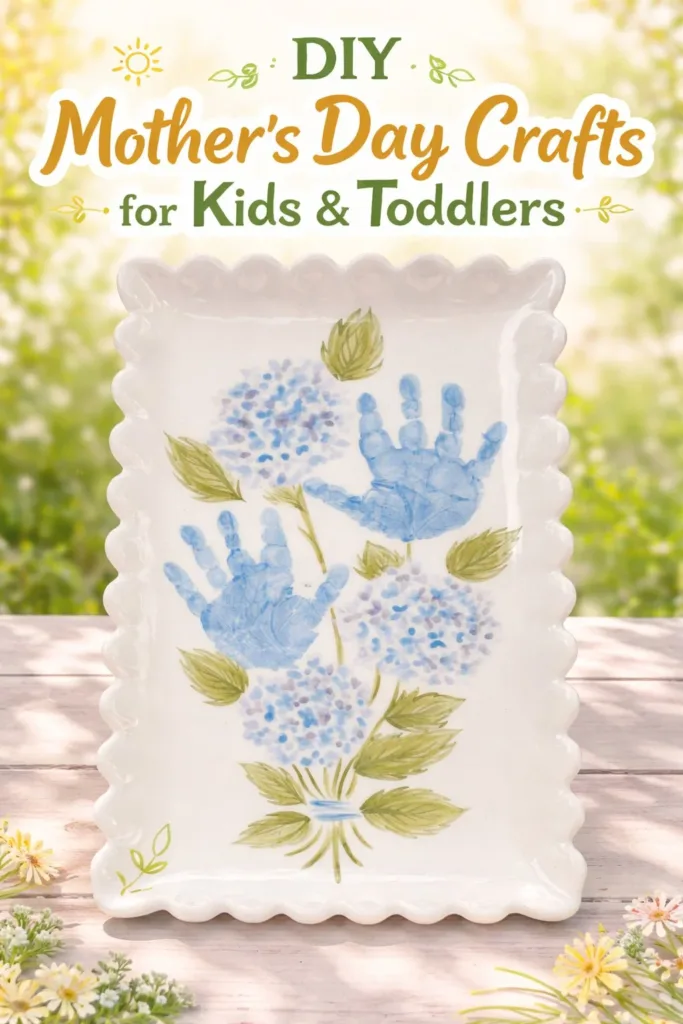
A small table near a sunlit window holds a bowl of warm, soft dough and a tiny, earnest hand. Fingers press, curl, and push into the pale surface, leaving a gentle map of ridges and creases. The room smells faintly of vanilla and flour. This quiet moment, one of many in a morning made slow and kind, shows why Easy Mother’s Day Crafts for Little Hands feel so tender and true.
I often bring out simple materials when little ones visit our kitchen table. We sit with aprons on, we talk quietly, and we let the texture of the dough and the rhythm of pressing become the way we tell a mother, in our own hands, that we love her. If you like, you can also find another playful idea on a related baking project I enjoy with kids: baking soda rainbow crystal forest recipe.
Why Easy Mother’s Day Crafts for Little Hands Feels Comforting to Create
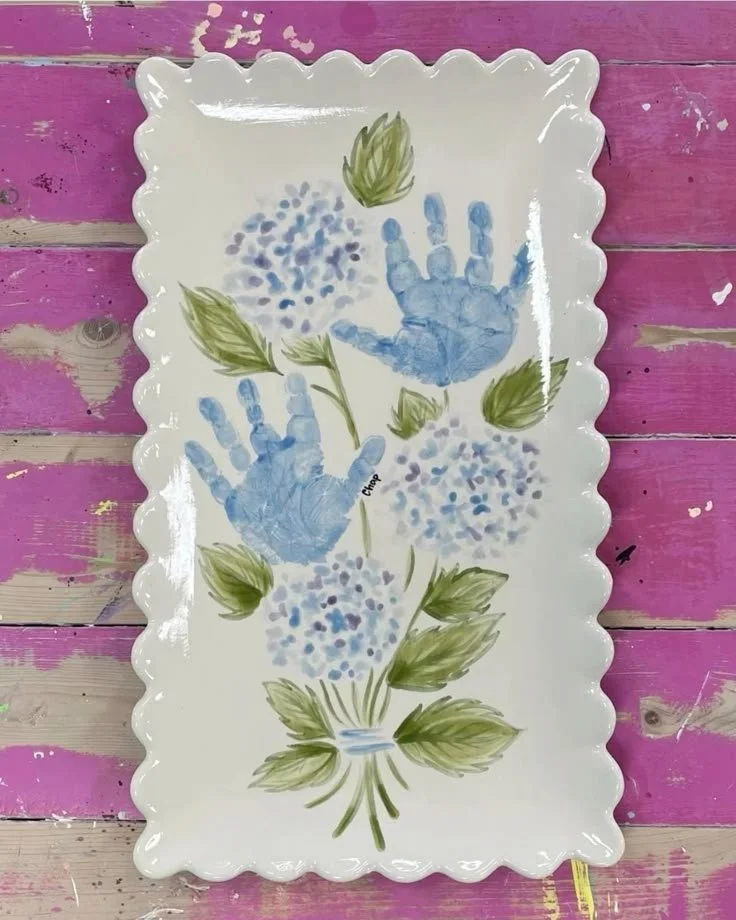
This craft asks you to slow down and notice small things. The dough yields under pressure and springs back in the center, making a warm, sensory rhythm for the child and adult beside them. You will hear soft thumps as shapes form and a tiny, proud laugh when the print looks just right. That sound matters.
Making handprint keepsakes helps you honor a moment. Little hands change quickly, and pressing them into dough catches a texture that memory alone cannot hold. The finished piece becomes a quiet object that carries the feel of the day: the warmth of palms, the softness of the dough, and the gentle pause you took to make something by hand.
This project fits into a calm home life. It needs a small space, a few easy materials, and minimal mess. The slow movements encourage focus. The sensory details—soft dough, the cool surface of a cookie sheet, the subtle scent of vanilla—help both child and grown-up feel grounded. When you make together, you build a small ritual of presence, not just a present.
A Gentle Look at the Process
Before you gather supplies, picture the steps as a soft flow. You will mix a dough that feels like soft clay. Then you will pat and smooth it, press the hand into the center, and cut a heart or circle around the print. Next the piece will dry or bake slowly until it feels firm and warm. Finally, you will paint or write a small message and let it sit to finish.
Movement matters more than speed. Invite the child to press with a playful promise: press as gently or as firmly as they like. Let them explore textures with a thumb, a fingertip, or the whole palm. The baking or air-drying part gives you a quiet interval to tidy up, sip tea, and let the craft rest. This gentle pacing makes the whole process feel restful.
You will notice small sensory cues: the dough cools a little as you shape it; tiny cracks might appear as it dries; paint will sit glossy at first and then settle into a soft sheen. These little changes are part of the charm. They tell a story about how the piece moved from something soft and fleeting into something lasting.
Materials You’ll Need
- Plain flour, 1 cup (easy to find, low-cost)
- Table salt, 1/2 cup (helps the dough firm up)
- Warm water, 1/2 cup (add slowly to reach the right texture)
- Vegetable oil, 1 tablespoon (adds smoothness; optional)
- Baking sheet or tray (baking option) or a flat plate for air drying
- Parchment paper or a silicone mat (prevents sticking)
- Rolling pin or a smooth bottle (for gentle flattening)
- A knife or cookie cutter in a heart or circle shape (child-safe scissors also work)
- Acrylic paints or washable tempera paints (choose non-toxic options for kids)
- Small paintbrushes or sponges (soft brushes for little hands)
- A fine-tipped permanent marker for names and dates (optional)
- Clear acrylic sealer or a simple mix of white glue and water for a soft sheen (optional)
- A small bowl and spoon for mixing (easy to wash)
- A damp cloth for quick clean-ups (helps keep the moment calm)
If you like, gather a small bowl with lavender or vanilla to add a light scent to your workspace. Use non-toxic paint and sealer when little hands will handle the finished piece. If you prefer a baking-free version, you can air-dry the dough. For more texture-driven projects that children love, I sometimes pair this craft with simple crystal-making activities and ideas found in the cozy crystal forest collection: baking soda rainbow crystal forest.
STEP-BY-STEP DIRECTIONS
-
Mix the dough in a small bowl. Combine flour and salt, then stir in warm water and a drop of oil.
Press with a spoon until the mixture forms a smooth, slightly sticky mass.
Feel the texture as you knead it lightly until it becomes soft and pliable, like modeling clay. -
Prepare your workspace with parchment paper or a silicone mat.
Dust the surface lightly with flour if the dough sticks.
Let the child pat the dough into a simple disc, giving them small, steady moments to explore the feel. -
Flatten the dough to a gentle thickness, about half an inch.
Use your hands or a rolling pin with soft, even strokes.
Keep the motion slow and calm; the child can pause between rolls to press a finger or play with edges. -
Invite the child to press their hand into the center.
Guide their wrist for support if needed and encourage a steady press, not a push.
You will see ridges and lines form; those details make the keepsake personal and warm. -
Cut the shape around the handprint with a heart or circle cutter.
If the cutter jostles the print, smooth the edges gently with a fingertip.
Trim away excess dough and pat the back flat so the piece rests evenly. -
Choose whether to bake or air-dry. For baking, place on a lined baking sheet and bake at a low temperature (around 200 F) for 1 to 2 hours until firm.
For air-dry, set the piece in a dry spot and turn it gently every day until hard, usually 2 to 4 days.
Either way, the piece will shift from soft to firm and develop a warm, solid feel. -
Let the keepsake cool completely, then sand any rough edges with a soft piece of sandpaper.
Paint gently with non-toxic paints or leave the natural color for a subtle look.
If painting, allow each thin layer to dry before adding details or writing a date. -
Add personal touches like a name, a short message, or a tiny painted flower.
Seal with a clear sealer for protection, or spread a thin layer of diluted white glue for a soft, matte finish.
Let the piece rest in a calm place to cure overnight before handling.
During the steps, you can bring in other small activities to keep little hands engaged. A tray of buttons to press next to the dough offers tactile play while the main piece dries. A short, quiet song or the sound of soft rain outside helps make the act of crafting feel like a gentle ritual. For more playful textures and small sensory projects, try combining this keepsake with other child-friendly ideas from our crystal forest post: rainbow crystals activity.
Enjoying the Finished Piece
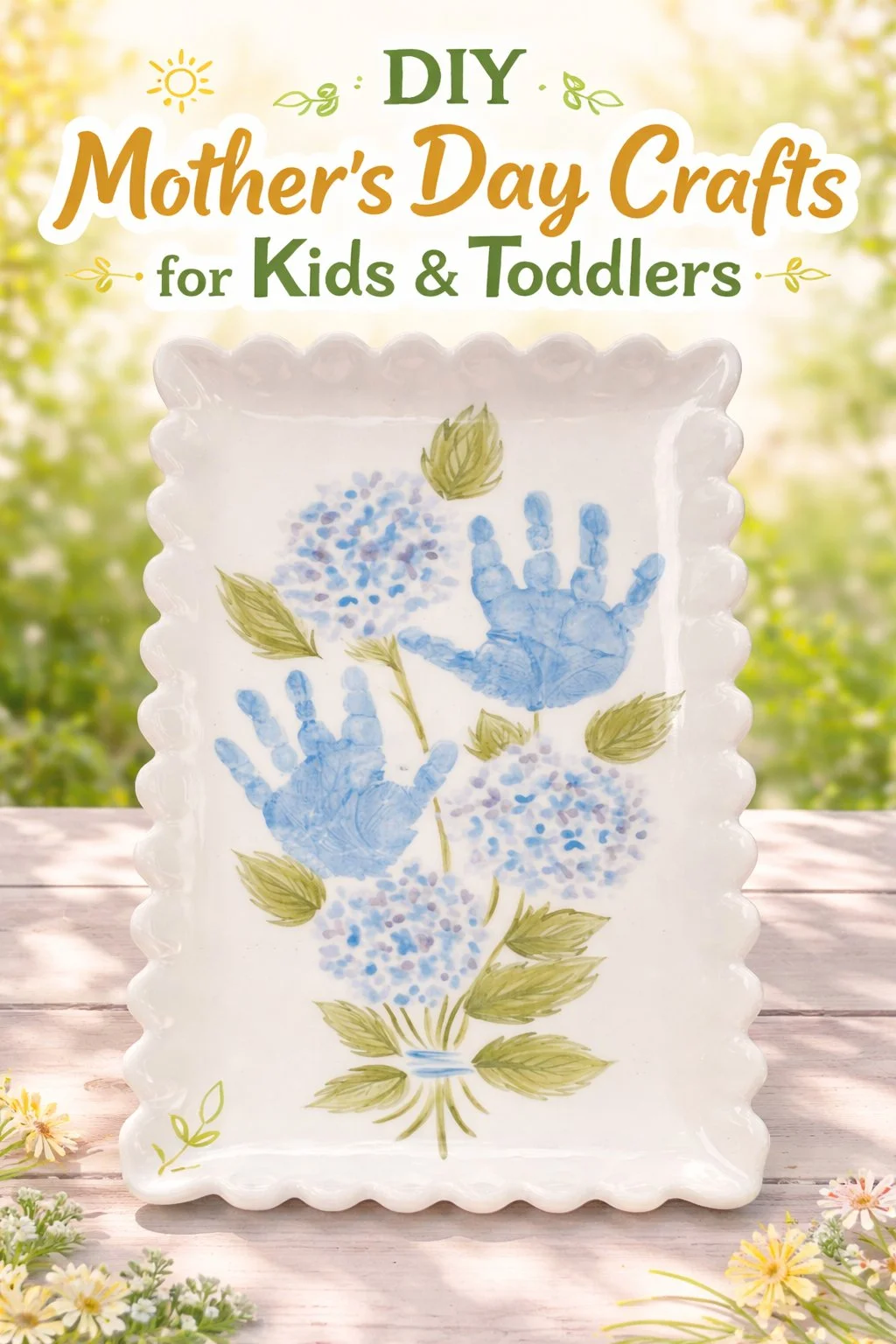
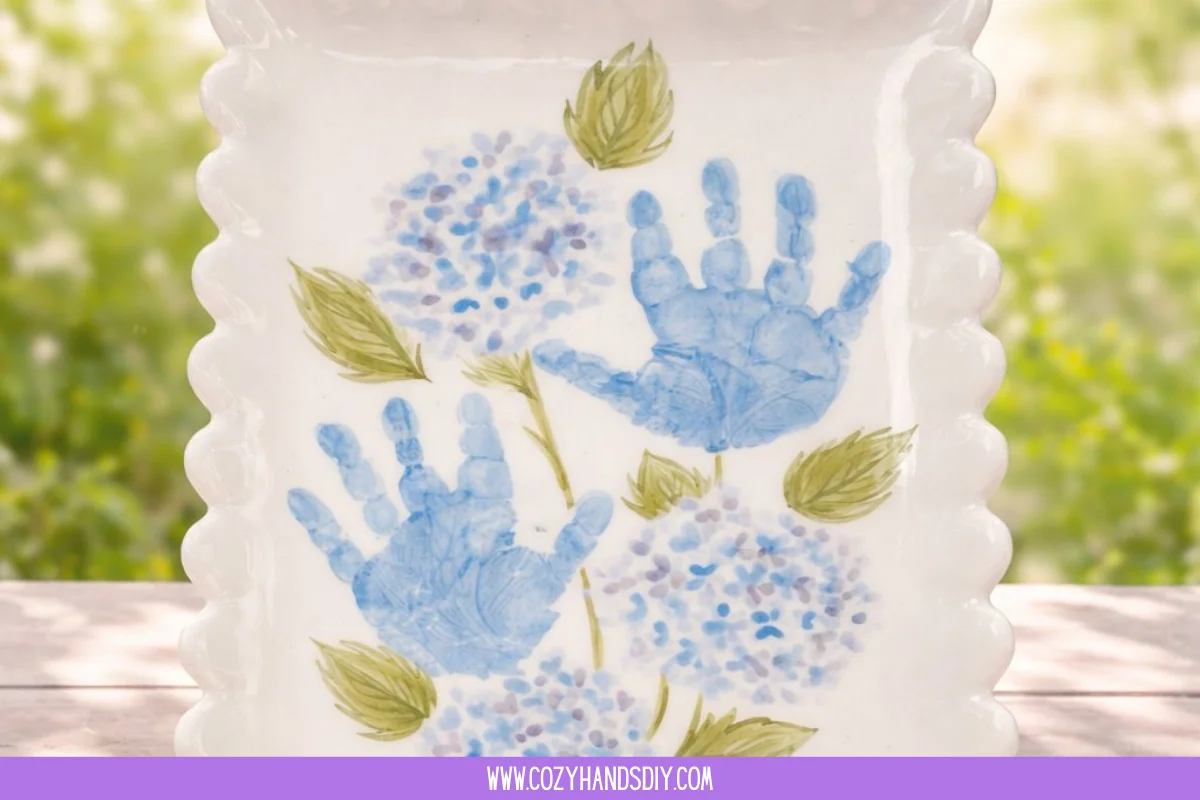
When the keepsake feels solid and cool, you will notice a soft weight that makes it feel important. Hold it in your hands and feel the ridges where the tiny fingers pressed. The little dip at the base of the thumb, the curve of a palm—these marks hold soundless stories.
Display the piece where it can catch gentle light. A small shelf near the window or a bedside table gives it quiet presence. Sometimes I tie a thin ribbon and hang it on a small hook. At other times I place it in a shallow bowl with dried flowers and a lit candle for an evening of reflection. The piece asks nothing flashy; its warmth comes from being seen and remembered.
These keepsakes also work as gifts. Wrap the piece in recycled tissue and a small card. Let the child place the gift in their own hands before giving it, and watch how pride and tenderness mingle in the moment. The giving itself becomes part of the memory.
How to Store or Reuse Easy Mother’s Day Crafts for Little Hands
Store finished pieces in a dry place away from bright sun to prevent paint fading.
Use small boxes lined with tissue paper to protect delicate edges and keep dust at bay.
If a keepsake chips slightly, you can smooth the edge and touch up the paint with a tiny brush.
If you make multiple pieces, tuck them into a memory box with notes about the day the handprint was made.
You can reuse a sturdy ribbon or a small jar lid as a frame to display the piece without glue or nails.
For a child’s own creative reuse, encourage them to press patterns into new dough to make a series, then store the set together.
If you plan to keep the pieces for many years, consider a light seal with an archival-friendly product and store them in a cool, dry spot. Preserve the feeling of the day by also writing a short note about what the child said or wore when the print happened.
Gentle Tips & Variations
-
Invite Nature In: Press a tiny leaf or a small, flat flower petal into the dough beside the handprint for a delicate natural print. This adds a soft visual detail and connects the keepsake to the day’s light and weather.
-
Make It a Set: Create a small collection by making a freestanding heart for each family member. Label each with names and dates and stack them in a shallow bowl for a tactile display. This idea pairs well with other tiny projects I’ve tried that focus on texture and quiet play: crystal forest ideas.
-
Add Color in Layers: Instead of painting the whole piece in one color, try a light wash of color and a second thin stroke to highlight ridges and lines. The paint settles into the creases and makes the handprint feel more three-dimensional.
-
Use Simple Molds: If cutting shapes feels tricky for very small hands, press the print into a pre-cut mold or a shallow jar lid. The shape helps define edges and gives a neat finished look without sharp tools.
-
Keep It Calming: If a child grows frustrated, pause and give them water to drink or a short stretch. Turn pressure into play by counting breaths together before the next press. The craft will always work best when both of you feel steady and calm.
These options invite small changes rather than strict rules. They help the project feel fresh each time you make it and let the child lead in small, meaningful ways.
What I’ve Learned While Making This
I learned that fewer materials often lead to more focus. When I tried to add every possible craft idea, children became distracted. When we sit with just dough, a cutter, and a couple of paints, we find rhythm.
I also noticed how important the timing feels. Little hands tire quickly, and a single, meaningful press often makes a better keepsake than multiple rushed attempts. Let the child choose how long to stay; sometimes a tiny, well-made print tells the whole story.
One sensory detail that matters: temperature. Warm dough invites a deeper, softer print. If your dough cools too much, warm it in your hands for a moment. Likewise, baking too fast creates cracks. Low, slow heat gives a gentle finish and keeps the texture intact.
Finally, safety and calm go hand in hand. Choose non-toxic paints and sealers and supervise baking closely. When little ones participate, explain each step softly and keep the atmosphere light. That patience creates the most honest and beautiful keepsakes.
FAQs About Easy Mother’s Day Crafts for Little Hands
Q: Can I make the keepsake without baking?
A: Yes. Air drying works well. Set the piece on a flat surface in a dry spot and turn it gently each day until it hardens. The process takes longer but keeps the activity very safe and calm.
Q: What if the child’s hand keeps moving and the print blurs?
A: Pause and breathe together. Try making a shallower press or use a smaller part of the hand like a thumb or a single finger for a clean mark. Sometimes a tiny fingerprint tells a larger story.
Q: Will the dough keep its shape once baked?
A: If you bake the piece slowly at a low temperature, it will firm up without cracking. Let it cool fully before handling. For longer life, a thin sealer adds protection.
Q: How do I choose paint that is safe for kids?
A: Look for non-toxic, labeled paints made for children. Washable tempera paints work well and give bright color with easy cleanup. If you plan to use a sealer, choose a non-toxic, low-VOC option.
Q: Can older children decorate more elaborately?
A: Absolutely. Older kids enjoy adding fine details, stamping small patterns, or layering colors. Let them explore tools like small craft stamps or thin brushes if they show interest.
A Gentle Note Before You Go
When you sit down to make a small gift with a child, remember that the act itself becomes the gift. The dough will dry, paint will fade a little, and the ribbon may loosen, but the memory of quiet hands working together will remain.
Let the process be small and steady. Take breaks, breathe, and enjoy soft sounds—a kettle, a page turning, or birds outside the window. Those sounds will nestle into the keepsake as much as the lines of the hand.
If you keep a box of small finished pieces, the collection grows into a slow story of time and care. Each one marks a season, an age, a light in the room. In years to come, you will open the box and remember the slow press of a child’s hand and the calm you made together.
Conclusion
For a fresh, simple idea that pairs well with sensory play, see this playful Simple and Creative Mother’s Day Craft for Kids which offers bright, child-friendly steps. If you want more project ideas and a lovely collection of family crafts, explore the helpful guides at Mother’s Day Crafts | Mum In The Madhouse.
PrintEasy Mother’s Day Crafts for Little Hands
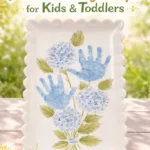
Create memorable handprint keepsakes with your little ones using simple dough. This craft captures special moments and encourages family bonding.
- Prep Time: 15 minutes
- Cook Time: 120 minutes
- Total Time: 135 minutes
- Yield: 1 keepsake
- Category: Craft
- Method: Baking or Air Drying
- Cuisine: N/A
- Diet: N/A
Ingredients
- 1 cup plain flour
- 1/2 cup table salt
- 1/2 cup warm water
- 1 tablespoon vegetable oil (optional)
- Baking sheet or tray (for baking) or flat plate (for air drying)
- Parchment paper or silicone mat
- Rolling pin or smooth bottle
- Knife or cookie cutter (heart or circle shape)
- Acrylic paints or washable tempera paints
- Small paintbrushes or sponges
- Fine-tipped permanent marker (optional)
- Clear acrylic sealer or diluted white glue (optional)
- Small bowl and spoon for mixing
- Damp cloth for clean-ups
Instructions
- Mix the dough in a small bowl. Combine flour and salt, then stir in warm water and a drop of oil.
- Press with a spoon until the mixture forms a smooth, slightly sticky mass.
- Feel the texture as you knead it lightly until it becomes soft and pliable.
- Prepare your workspace with parchment paper or a silicone mat.
- Dust the surface lightly with flour if the dough sticks.
- Let the child pat the dough into a simple disc.
- Flatten the dough to a gentle thickness, about half an inch.
- Invite the child to press their hand into the center.
- Cut the shape around the handprint with a cutter.
- Choose to bake or air-dry. For baking, place on a lined baking sheet and bake at 200°F for 1 to 2 hours.
- Let the keepsake cool completely, then sand any rough edges.
- Paint gently with non-toxic paints or leave the natural color.
- Add personal touches like a name or message.
Notes
Consider air-drying the dough for a safer option. Use non-toxic materials throughout the project.