
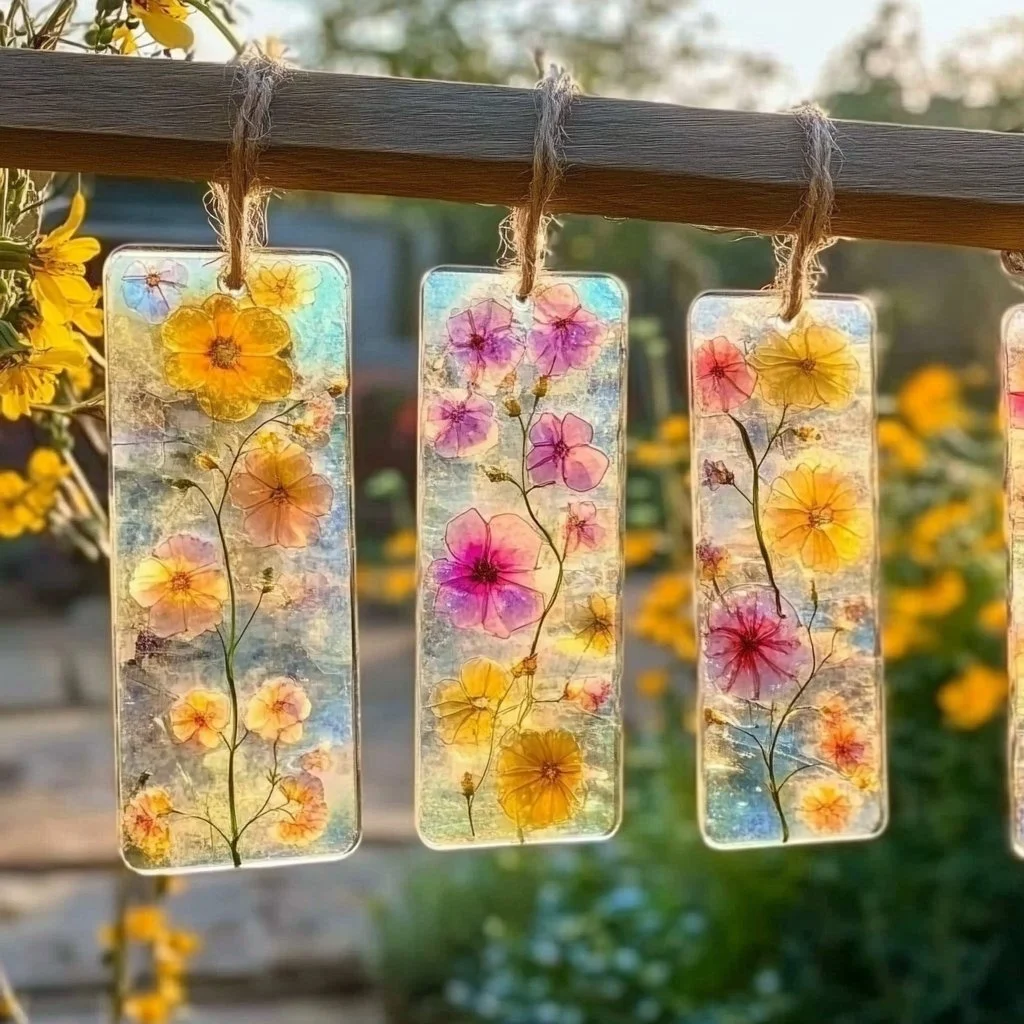
A soft square of warm kitchen light falls across my work table as I stir a slow, glossy mixture. The smell is faint, like warm starch and summer leaves, and my hands remember the cool slip of dried petals beneath the spoon. Making DIY Bioplastic Suncatchers asks me to move gently, to listen to the tiny simmer and watch color float and settle. It is a small, quiet way to bring light and texture into the home.
Why DIY Bioplastic Suncatchers Feels Comforting to Create
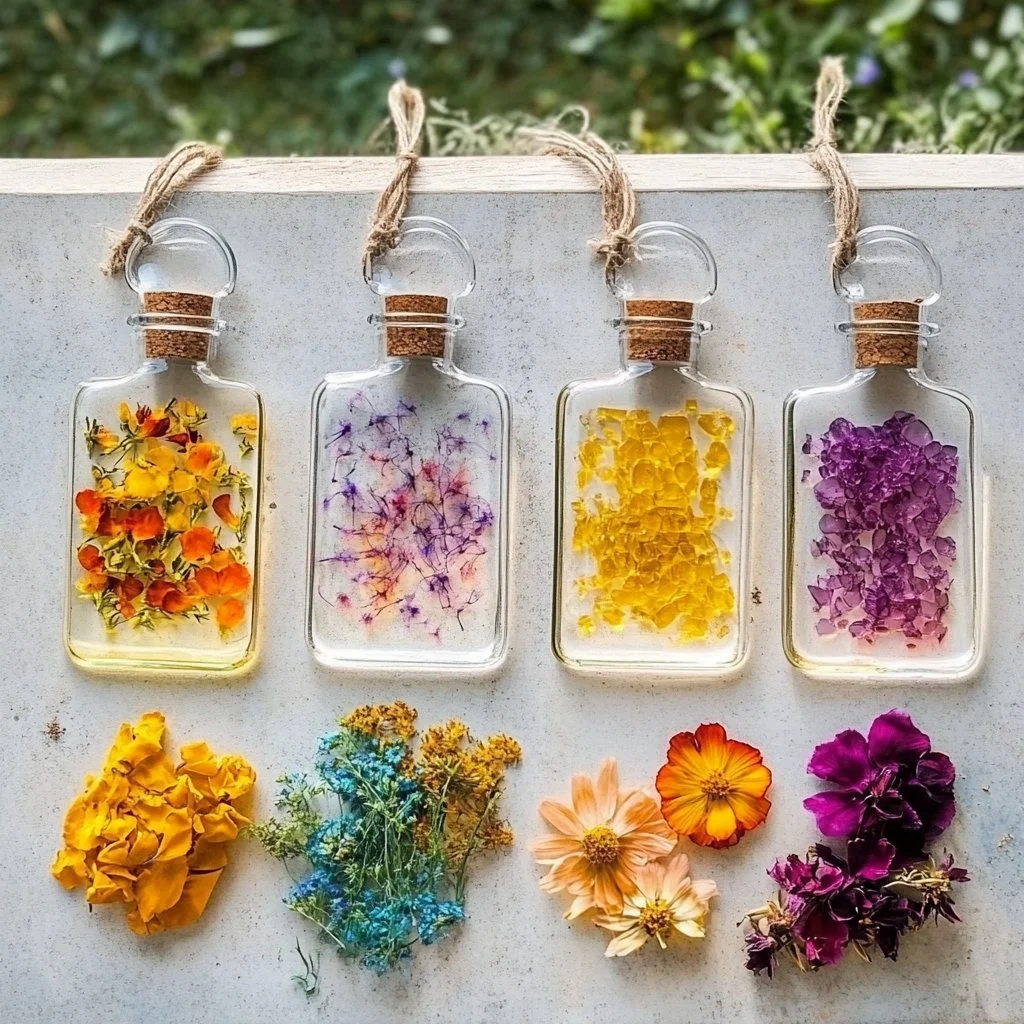
These suncatchers calm by asking for close attention. The craft centers on simple, familiar materials that change under heat and touch. As the bioplastic sets, it becomes translucent and soft around pressed flowers or bits of thread. That transformation offers a steady, soothing rhythm.
When you press petals into the warm sheet, you feel a thin resistance, then a sigh as the material cools and holds them like a memory. The play of light through the finished shapes shifts across the day. This quiet movement helps the mind slow. The making itself offers a gentle ritual: measuring, stirring, pressing, and waiting. Each action gives small sensory rewards.
If you want a slightly different color palette or a more tactile edge, you can follow a few variations. For extra inspiration, I like to keep a simple collection of ideas close at hand, such as a colorful DIY bioplastic suncatchers recipe I return to when I want bolder hues. That kind of calm repetition builds confidence with each piece.
A Gentle Look at the Process
Before you gather things, imagine the flow. You will heat a clear, pliable mix that moves from cloudy to glass-like. You will pour, press, and trim. You will wait while pieces cool and tighten. Each stage has a small sound and a small temperature.
The stirring sound is slow and steady. The mixture becomes glossy and smooth. When you lay it out, the surface makes a soft, thinning sweep. Pressing a petal in produces a soft, hollow sound and a visible change. Cooling brings a faint click as the edges firm. I like to hum quietly while I work, matching the tempo of these tiny sounds.
This project does not demand speed. It favors attention. If you want a few process notes before you begin, you may find them useful in planning your space and your time, and in learning how the materials behave. A short, gentle overview helps you feel prepared, not rushed. For another step-by-step perspective, this DIY Bioplastic Suncatchers guide blends visuals with process notes I have used for practice.
Materials You’ll Need
- 1 cup corn starch (easy to find, gluten-free options work)
- 3 tablespoons glycerin (optional in small amounts; makes the plastic more flexible)
- 1 tablespoon vinegar (helps the mix bind and sets the texture)
- 1 cup water (filtered if possible for clearer result)
- A small saucepan (nonstick or well-seasoned)
- Spoon or silicone spatula (smooth, heat-safe)
- Baking paper or silicone mat (for laying out the warm sheet)
- Cookie cutters or small cookie ring molds (for shapes)
- Clean pressed flowers, leaves, or thin tissue paper (optional; dry and flat)
- Scissors (sharp, for trimming)
- Small hole punch or bamboo skewer (for hanging)
- String or thin leather cord for hanging (optional)
- A tray or cooling board (flat and steady)
- Oven mitts and a small bowl of cool water (for safety)
I welcome simple swaps. You can use arrowroot powder instead of corn starch with slightly different results, or omit glycerin if you prefer a crisper feel. For botanical pieces, drying petals for a few days gives a gentler transfer and fewer bubbles. For ideas on botanical design and layering techniques, I often glance through a collection of projects like homemade botanical examples for color and layout inspiration.
Step-by-Step Directions
- Measure and combine the starch, water, glycerin, and vinegar in the saucepan. Stir slowly and watch the mix sit smooth and pale.
- Place the pan over low heat. Stir constantly with your spatula. Listen for a change from watery to glossy. This often takes five to eight minutes.
- When the mixture thickens into a smooth gel, remove it from the heat. Cool for a minute until it feels warm but not hot. This keeps delicate petals from scorching.
- Line your work surface with baking paper or a silicone mat. Spoon the warm gel onto the paper in a small mound. Use the back of the spoon to press and spread it thin, or press it inside a cookie cutter for a neat shape.
- Lay your pressed flowers, bits of tissue, or thin fibers onto the warm sheet. Press them gently with a clean piece of baking paper to avoid fingerprints. Notice how the elements sink in and become part of the surface.
- Let the piece set for several minutes until it firms but stays slightly flexible. For a more translucent finish, you can gently heat it again in a warm oven for a minute, watching closely.
- Peel the cooled suncatcher from the paper. Trim the edges with scissors for a clean line. If you want a hanging hole, use a small punch or a warmed skewer to make one. Feel the edges smooth and soft between your fingers.
- Hang or lay flat to fully harden for 24 hours. The piece will tighten and clear a little as it cures. Enjoy the way light colors the petals and throws soft patterns into your room.
These steps reflect my quiet practice. I often pause after step three to breathe and look at the colors. I find that a moment of observation helps me place elements with care. If something looks uneven, you can nudge it gently before it fully cools. Safety note: keep fingers away from hot gel, and use mitts when lifting warm pans.
Enjoying the Finished Piece
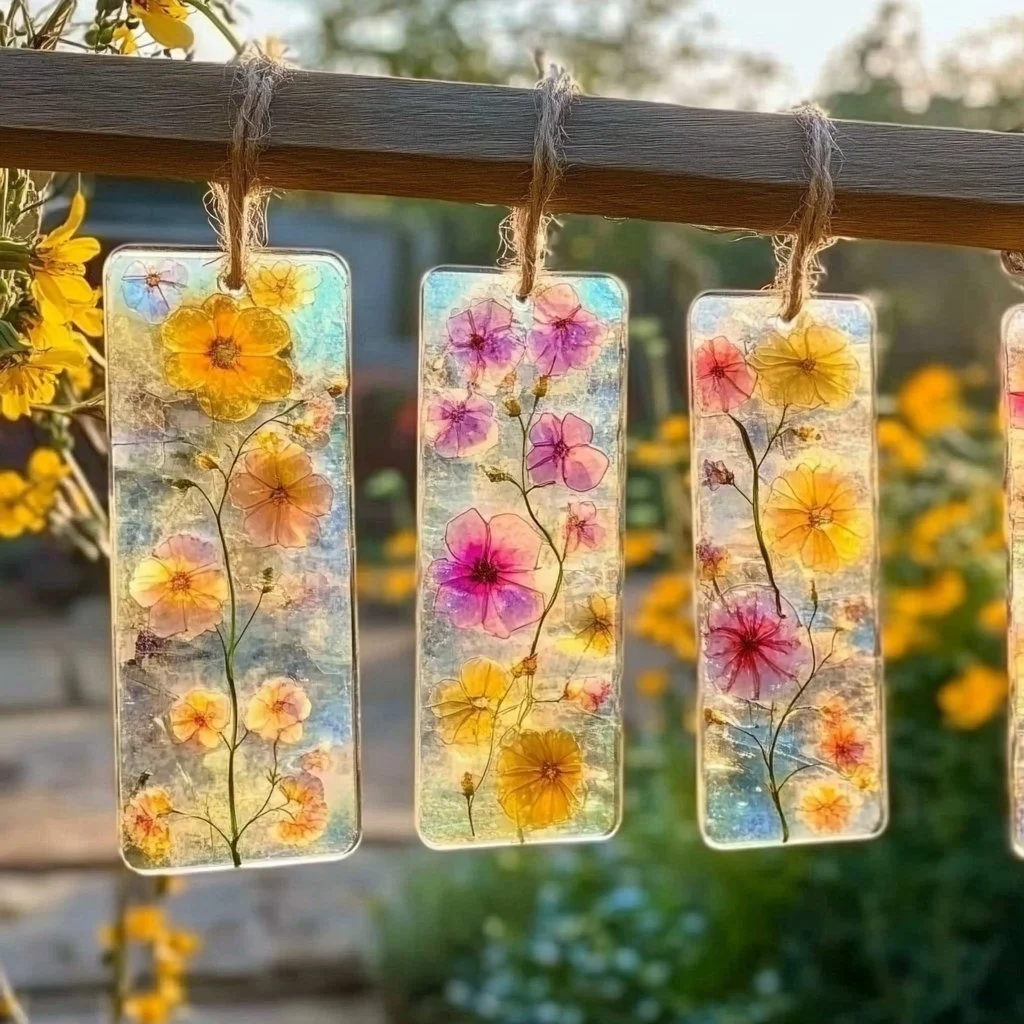
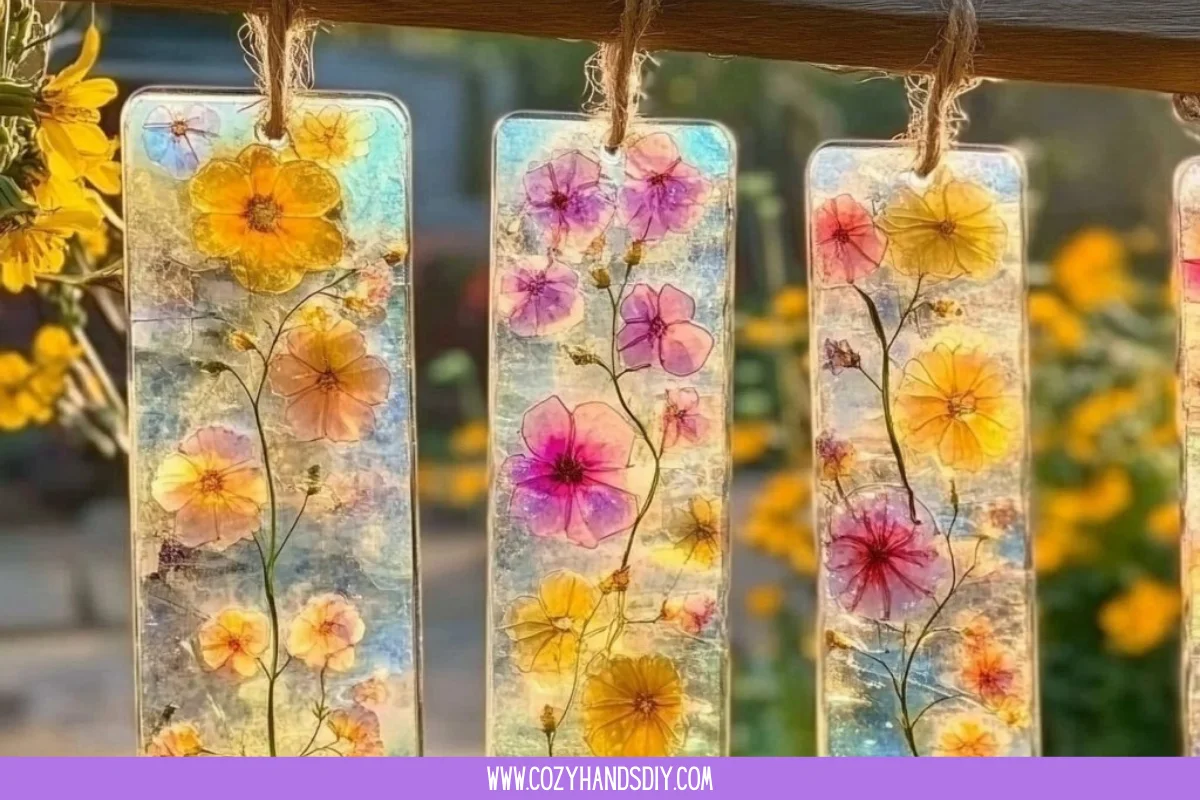
Once your bioplastic suncatcher feels firm, bring it into the light. Hang it near a window where morning and afternoon sun can pass through. The piece diffuses light, softening direct rays into a calm glow.
You can place several together for a slow mobile. When they move, the light shifts and makes quiet patterns on the wall. A small group hung over a windowsill gives a layered, cozy look. I like to hang one near a reading nook so the light moves as I turn pages.
For a bedside touch, hang a small suncatcher from a hook near the lamp. Its translucent surface catches lamplight and creates a dim, warm ambiance. If you prefer table display, set a few flat on a shallow tray and let daylight weave through them. For more ideas on mixing natural elements and display, this piece on nature-inspired window art offers gentle approaches I often try when arranging a set of suncatchers: nature’s window art examples.
How to Store or Reuse DIY Bioplastic Suncatchers
Store finished pieces flat in a dry place away from direct heat to prevent warping. A shallow box lined with tissue paper keeps them safe and ready to rotate into display. Avoid stacking many pieces directly on top of each other without a soft layer between them.
If a piece bends slightly, you can gently warm it on a low oven setting briefly and reshape it with clean hands. Warm slowly and watch closely to prevent over-softening. Small chips along the edge can be sanded lightly with very fine sandpaper to smooth the texture. Keep in mind that bioplastic can become more brittle over long periods, so treat older pieces with a bit more care.
For reuse, consider cutting older pieces into new shapes or using fragments as inlays for pressed-card projects or handmade bookmarks. I once turned an imperfect crescent into a pendant by trimming and adding a small hole, and that made a quiet, wearable memory of the making session. Always clean pieces gently with a soft cloth and avoid harsh cleaners that may dull the finish.
Gentle Tips & Variations
- Invite color gently. A few drops of natural food coloring or powdered pigment can tint the bioplastic. Add it during the stirring stage for soft, even color. Start with less and layer more if you want deeper hues.
- Try texture with thin fabrics. A ribbon or a sheer scrap of fabric pressed into the surface creates gentle ridges. Use only very thin textiles to avoid trapping moisture that could cloud the piece.
- Layer botanicals thoughtfully. Place flat, smaller petals over sturdier leaves. This helps preserve detail and reduces bubbling. I often arrange a tiny daisy center inside a translucent leaf outline for contrast.
- Make a set that tells a story. Choose materials collected on a single walk so each suncatcher holds a memory of that place. You will feel a comforting connection when you hang them together and remember the quiet day you gathered the bits.
- Keep a simple journal. Tape a small sample of a petal or note a proportion used. Over time, you build a gentle archive of what works, helping future pieces feel even more calm and successful.
Frame each tip as an invitation. None are strict rules. The craft soothes when you treat it like a small experiment rather than a test.
FAQs About DIY Bioplastic Suncatchers
Q: Will the suncatchers fade if I use real flowers?
A: Natural petals may fade over months. Pressing and fully drying them before use slows fading. Bright pigments from some flowers will hold better than others. I find that tiny pressed blooms often soften in color but keep shape, and that change becomes part of the piece’s quiet story.
Q: Are these safe for children to make?
A: The project suits older children with supervision. The heating step requires an adult. Younger children can arrange botanicals on the cool sheet and help trim or hang when safe. I pair this activity with calm conversation and steady adult hands at the stove.
Q: How long do the suncatchers last?
A: With gentle care, they last months to years. Avoid constant direct heat or rough handling. Store them flat when not in use. If a piece feels fragile, handle it with two hands and consider repurposing it into a smaller accessory.
Q: Can I use synthetic flowers or glitter?
A: You can, but be mindful of weight. Synthetic elements may not embed as seamlessly and can create tiny bubbles. Glitter can create a soft sparkle but may also scatter when working. If you want sparkle, use fine mica powders that blend into the gel gently.
Q: What if my piece is cloudy after cooling?
A: Slight cloudiness often clears within 24 hours of full curing. If it remains cloudy, you can warm it gently for a short time to help redistribute moisture. Always test on a scrap first and work slowly.
A Quiet Closing Thought
Sit with the suncatcher in your palm and notice its warmth, its smoothness, and the way light moves through it. Making such a small, luminous thing offers a pocket of calm in a busy day. The project invites you to breathe, to choose slowly, and to listen to the tiny sounds of material changing beneath your hands.
There is value in the imperfection. Tiny air pockets, uneven edges, and a slight fade in a petal all tell a story. Each makes the piece uniquely yours. When you hang it and the light softens the room, you will feel how the process offered more than a finished object. It gave a pause, a tactile ritual, and a gentle proof that slow making brings a quiet kind of joy.
Conclusion
If you want a clear, child-friendly recipe with step photos to compare with your own making, this simple guide offers a hands-on view on how to start: How To Make A Bioplastic Suncatcher – Chemistry for Kids. For botanical inspiration and layered botanical techniques that pair beautifully with this project, this collection gives thoughtful design ideas: Botanical Bioplastic Sun Catchers – Wineberry Woods.
Take your time. Let each piece be a small practice in presence. The act of making matters as much as the finished light it lets into your room.
PrintDIY Bioplastic Suncatchers
Create beautiful bioplastic suncatchers using simple materials that transform under heat, adding a touch of nature to your home.
- Prep Time: 15 minutes
- Cook Time: 10 minutes
- Total Time: 25 minutes
- Yield: Multiple suncatchers
- Category: Craft
- Method: Crafting
- Cuisine: N/A
- Diet: N/A
Ingredients
- 1 cup corn starch
- 3 tablespoons glycerin (optional)
- 1 tablespoon vinegar
- 1 cup water
- Baking paper or silicone mat
- Clean pressed flowers, leaves, or thin tissue paper (optional)
- String or thin leather cord for hanging (optional)
Instructions
- Measure and combine the starch, water, glycerin, and vinegar in the saucepan. Stir slowly until smooth.
- Place the pan over low heat and stir constantly, listening for a change from watery to glossy (5-8 minutes).
- Remove from heat and cool for a minute.
- Line your work surface with baking paper. Spoon the warm gel onto the paper and press into shape.
- Lay pressed flowers or tissue onto the warm sheet and press gently.
- Let set for several minutes until firms but slightly flexible.
- Peel from paper and trim edges with scissors.
- Hang to fully harden for 24 hours.
Notes
You can swap corn starch for arrowroot powder, or omit glycerin for a crisper texture. Keep finished pieces flat in a dry place to prevent warping.