


The sun slips low and the kitchen feels soft with late light. I press my palms into a small mound of Cornstarch and Dish Soap Bubble Dough and feel it almost sigh beneath my fingers. It responds with a gentle resistance, a slightly cool softness, and a whisper of bubbles that pop quietly under slow pressure. In that first quiet knead I breathe out, settle in, and watch the dough hold and yield like a calm conversation between hands and material.
The Quiet Joy of Making Cornstarch and Dish Soap Bubble Dough
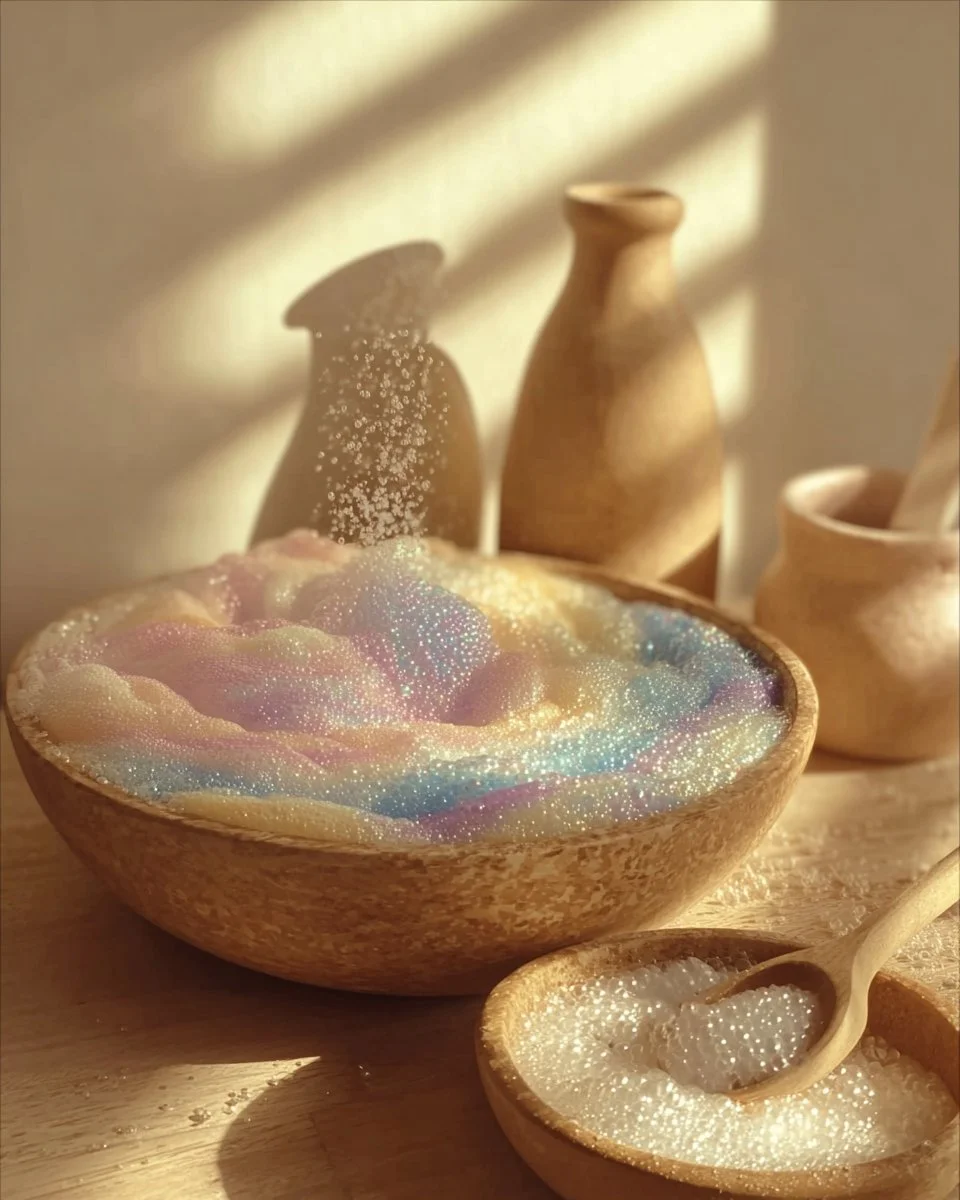
There is a simple comfort in this dough that asks little and gives a lot. Cornstarch and Dish Soap Bubble Dough makes a soft, slightly foamy texture that invites slow pressing, rolling, and gentle squishing. The sound is muted—a faint, satisfying pop when a bubble bursts—and the surface catches light in tiny, pearly spots where soap meets starch. It nudges you toward the present moment without rushing, and that quiet is the largest part of the reward.
This project helps people slow down because it foregrounds calm sensory details. Your hands feel the cool starch, the slickness of dish soap, and the buoyant air trapped in small bubbles. You work in tiny, mindful movements. If you come with wobbly thoughts or a busy day, the dough offers a steady, tactile rhythm to follow. It also fits many settings: a soft activity for a rainy afternoon, a mindful pause between tasks, or a gentle way to invite a child into focused play. If you have tried other soft crafts, you might notice how it differs from modeling clay or play dough. It keeps a light, airy quality that stays delicate but responsive.
If you want to explore similar sensory projects, this gentle dough pairs well in spirit with other ideas on the site, like my recipe for DIY bubble dough, which also leans into soft textures and slow play.
A Gentle Look at the Process
Before you mix anything, imagine the small series of motions you will take: measuring, pouring, stirring, pressing, and kneading. The whole process moves at a quiet pace. You listen for the little changes—the dough pulling together, wet areas absorbing the cornstarch, and the first tiny bubbles settling into place.
You will notice texture shifts more than precise chemistry. At first the dish soap and water feel slippery; as you slowly fold in cornstarch, the mixture thickens and becomes dough-like. The rhythm matters: small additions, a steady hand, and pauses to feel how the material responds. The visual change is subtle but steady—what begins as a glossy puddle becomes a soft, matte mass dotted with iridescent bubbles. This is a craft you can savor, one small step at a time.
I often begin with a warm cup of tea nearby and keep my movements intentionally unhurried. That small ritual helps me focus on the dough’s tactile feedback rather than a strict to-do list. If you like, you can pair this with a calming playlist or the soft hush of household sounds. If you want to explore a different scented soft dough, you may enjoy this lavender version I made while testing textures: calming lavender play dough.
Materials You’ll Need
- Cornstarch (easy to find; acts as the structure for the dough)
- Liquid dish soap (mild, clear soaps work well; provides bubbles and smoothness)
- Warm water (helps the ingredients mingle)
- A mixing bowl (wide and shallow feels calming)
- A whisk or spoon (for gentle stirring)
- Measuring cups and spoons (simple accuracy makes the texture reliable)
- A tray or silicone mat (optional; keeps your surface tidy)
- Food coloring or natural pigment (optional; adds a quiet, soft hue)
- Essential oil (optional; use a very small amount and choose mild oils; safety note below)
- A clean towel for hands and surface (for gentle cleanup)
Notes: Cornstarch gives this dough its body. Dish soap provides foam and a smooth, slightly glossy feel. Warm water helps them combine more easily. If you want to keep things simple, skip color and scent—the dough still shines in its natural state.
Step-by-step Directions
-
Measure 1 cup of cornstarch into the bowl.
Let your hands brush the edge of the bowl to anchor the moment. -
Pour about 1 to 2 tablespoons of liquid dish soap into the center.
Watch the soap form glossy ribbons and listen for the faint glint as it meets starch. -
Add 2 to 3 tablespoons of warm water slowly.
Stir gently in small circles until the mixture begins to gather. -
Fold and press with a spoon until the dough pulls together.
It should feel soft and a bit tacky but not overly wet. -
If the dough seems dry, add water half a spoon at a time.
If it feels too sticky, dust in small pinches of cornstarch. -
Optional: add a drop of food coloring or a single drop of essential oil.
Mix gently until the color or scent spreads softly through the dough. -
Turn the dough out onto a silicone mat or tray.
Use your palms to knead it slowly, feeling for a smooth, cohesive texture. -
Keep kneading until the surface becomes slightly matte and elastic.
Pause to press fingertips in and feel tiny bubbles pop and reform. -
Shape, press, and play slowly.
Let the dough rest in an airtight container when you finish.
Each number is a small, mindful pause. I keep the movements soft and measured. If you have children nearby, invite them to help stir at step 3 and watch the dough come alive under quiet attention.
Enjoying the Finished Piece

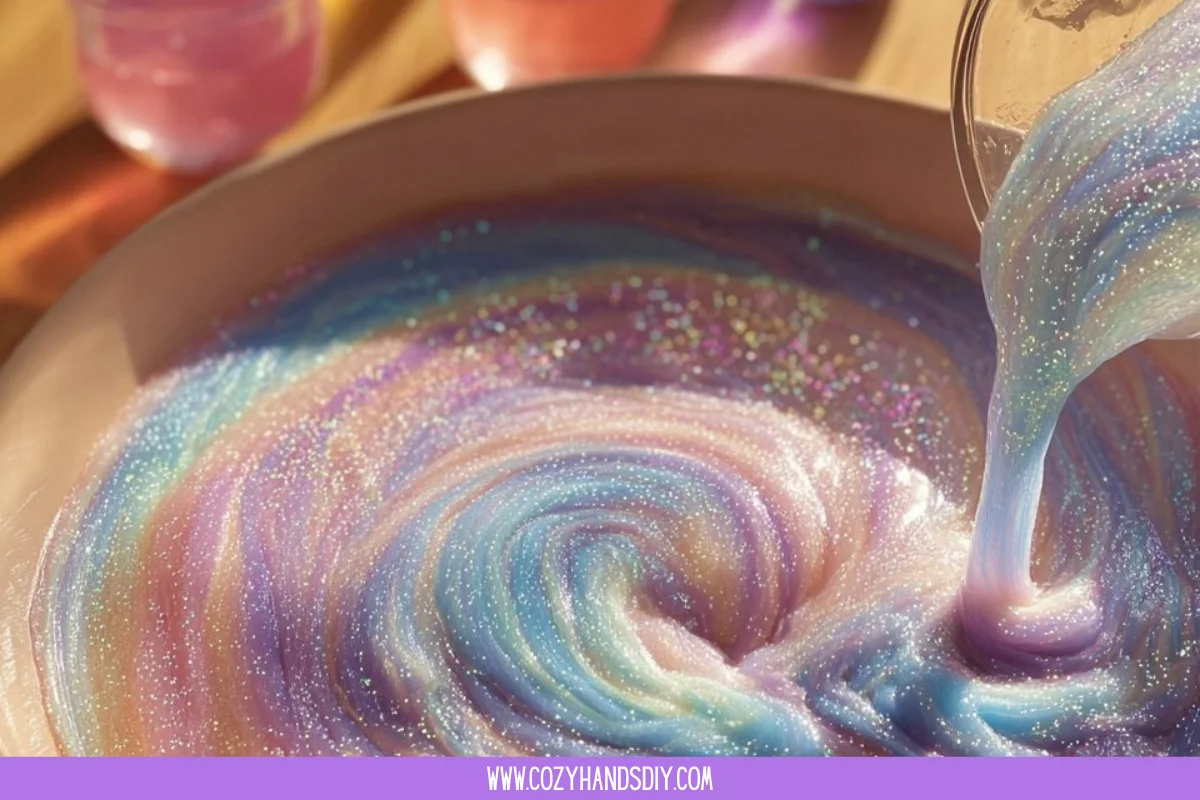
The finished dough feels like a small, intimate object. It keeps a soft spring and a delicate skin made of starch. When you press it slowly, tiny bubbles shimmer and then disappear with a soft, almost inaudible pop. You can make small shapes, press cookie cutters gently, or roll a pebble-like ball between palm and fingertips and notice how the surface smooths.
I often set a finished piece on a low shelf for a few minutes, just to see how it settles. In the hours after making it, the dough keeps a faint memory of the soap’s scent and the cool starch. It invites slow interaction—no need to rush into elaborate creations. Pair it with a simple activity like tracing slow lines with a dowel or stamping a leaf shape and pressing it gently into the surface. If you enjoy small tabletop experiments, this dough works well alongside sensory setups like a fizzing reaction tray for contrast; try it near a gentle science moment like the colorful baking soda and vinegar reaction for a calm mix of textures and sounds.
There is a quiet pleasure in leaving a small, finished dough on a tray and visiting it again later. The act of returning to it becomes a ritual of noticing.
How to Store or Reuse Cornstarch and Dish Soap Bubble Dough
Store the dough in an airtight container or zip-top bag. Press out excess air before sealing. Keep it in a cool, dry place away from direct sunlight.
Dough can last for a few days to a week depending on humidity and how much soap is present. If it feels too dry, soften it with a few drops of water and knead gently. If it becomes too tacky or sticky, add a small pinch of cornstarch and knead until you reach a comfortable feel.
For reuse ideas: roll small portions into beads for a brief press-and-release activity, or flatten pieces to stamp soft impressions. If the dough shows signs of mold or a strong off smell, discard it and make a fresh batch. I store mine on a low shelf in a labeled container so family members know to touch gently and not leave it outside where dust gathers.
Safety notes: keep the dough away from pets and very young children who might put it in the mouth. Dish soap is mild but not meant to be ingested. Supervise shared play, and wash hands after longer sessions.
Gentle Tips & Variations
-
Invite color in a whisper: use one or two drops of food coloring and mix slowly. A pale wash of color keeps the dough soft and calming rather than bright and overstimulating.
-
Add texture with natural items: press small seeds, dried lavender buds, or smooth pebbles into the dough for a slow tactile contrast. If you use fragrance, choose mild essential oils like lavender and use the smallest amount for safety.
-
Try a foamy twist: increase the dish soap slightly for a more bubble-forward feel. Use gentle folding motions to keep the mixture airy rather than overworked.
-
Make small, gift-sized portions: shape the dough into pebble-like forms and wrap in muslin for a mindful exchange. Label them with a brief note like "press gently" to invite slow play.
-
Mix with other sensory activities: place a small bowl of dough next to a watercolor palette and allow small pigment transfers for delicate color blending. If you like glow or light elements, consider a calming nighttime table that includes soft light jars like the one I made with cotton candy effects: DIY cotton candy glow jars.
Each tip is an invitation. There is no one right way. Let your hands guide you and adapt based on how the dough feels in your palms.
FAQs About Cornstarch and Dish Soap Bubble Dough
Q: Will the dough stain fabric or surfaces?
A: The plain dough with just cornstarch and dish soap rarely stains, but food coloring can transfer. Work on a washable surface or a silicone mat and wear an apron if you are using color.
Q: Can I add scent for a stronger aroma?
A: Use essential oils sparingly. A single drop for a small batch can be enough. Avoid strong oils around young children and pets. Always test a tiny amount first and keep the scent subtle.
Q: My dough feels too sticky. How can I fix it?
A: Sprinkle a small pinch of cornstarch and knead it in slowly. Add in tiny amounts rather than large handfuls to keep the texture balanced.
Q: Is this safe for children to make?
A: Yes, with supervision. Keep an eye on littlest hands and discourage tasting. Use child-safe dish soap and avoid strong essential oils when children participate.
Q: How long will the dough last?
A: Typically a few days up to a week stored airtight. Humidity and soap concentration influence longevity. Refresh with a drop of water or a pinch of cornstarch as needed.
A Gentle Note Before You Go
Sit for a moment with your finished dough. Notice the temperature in your hands, the way the dough yields, and the small sounds it makes when you press. Let the crafting be a small, intentional pause. You do not need to create something perfect. The making itself is the quiet practice.
When you finish, wash your hands slowly and place the dough in its container with gentle care. Keep the memory of the texture—cool, slightly foamy, and responsive—close. If you return tomorrow, you might find the surface a touch drier and welcome the chance to knead it back to life. Crafts like this remind us that calm can live in small movements and soft materials. Let it be an unhurried companion in your day.
Conclusion
If you want more reference recipes and variations on bubble dough, I find both Shannon’s clear recipe and the Gift of Curiosity’s step-by-step guide helpful for comparison. Shannon offers a thoughtful, child-friendly approach in her Shannon’s Tot School bubble dough post, and the Gift of Curiosity shares useful notes and photographs in their Bubble dough guide. These resources can inspire subtle changes and reassure you about simple, safe adaptations.
Thank you for making quietly today. Take your time, listen to the dough, and let your hands lead.
PrintCornstarch and Dish Soap Bubble Dough

A simple, soothing recipe for making soft bubble dough that invites tactile play and mindfulness.
- Prep Time: 10 minutes
- Cook Time: 0 minutes
- Total Time: 10 minutes
- Yield: 1 batch
- Category: Craft
- Method: Mixing
- Cuisine: N/A
- Diet: N/A
Ingredients
- 1 cup cornstarch
- 1 to 2 tablespoons liquid dish soap
- 2 to 3 tablespoons warm water
- Food coloring or natural pigment (optional)
- Essential oil (optional)
- A clean towel for cleanup
Instructions
- Measure 1 cup of cornstarch into the bowl.
- Pour about 1 to 2 tablespoons of liquid dish soap into the center.
- Add 2 to 3 tablespoons of warm water slowly.
- Stir gently in small circles until the mixture begins to gather.
- Fold and press with a spoon until the dough pulls together.
- If the dough seems dry, add water half a spoon at a time.
- Optional: add a drop of food coloring or a single drop of essential oil.
- Turn the dough out onto a silicone mat or tray.
- Knead it slowly, feeling for a smooth, cohesive texture.
- Keep kneading until the surface becomes slightly matte and elastic.
- Shape, press, and play slowly.
Notes
Dough should be stored in an airtight container or zip-top bag. If it feels too dry, soften with a few drops of water; if too sticky, add a pinch of cornstarch.