
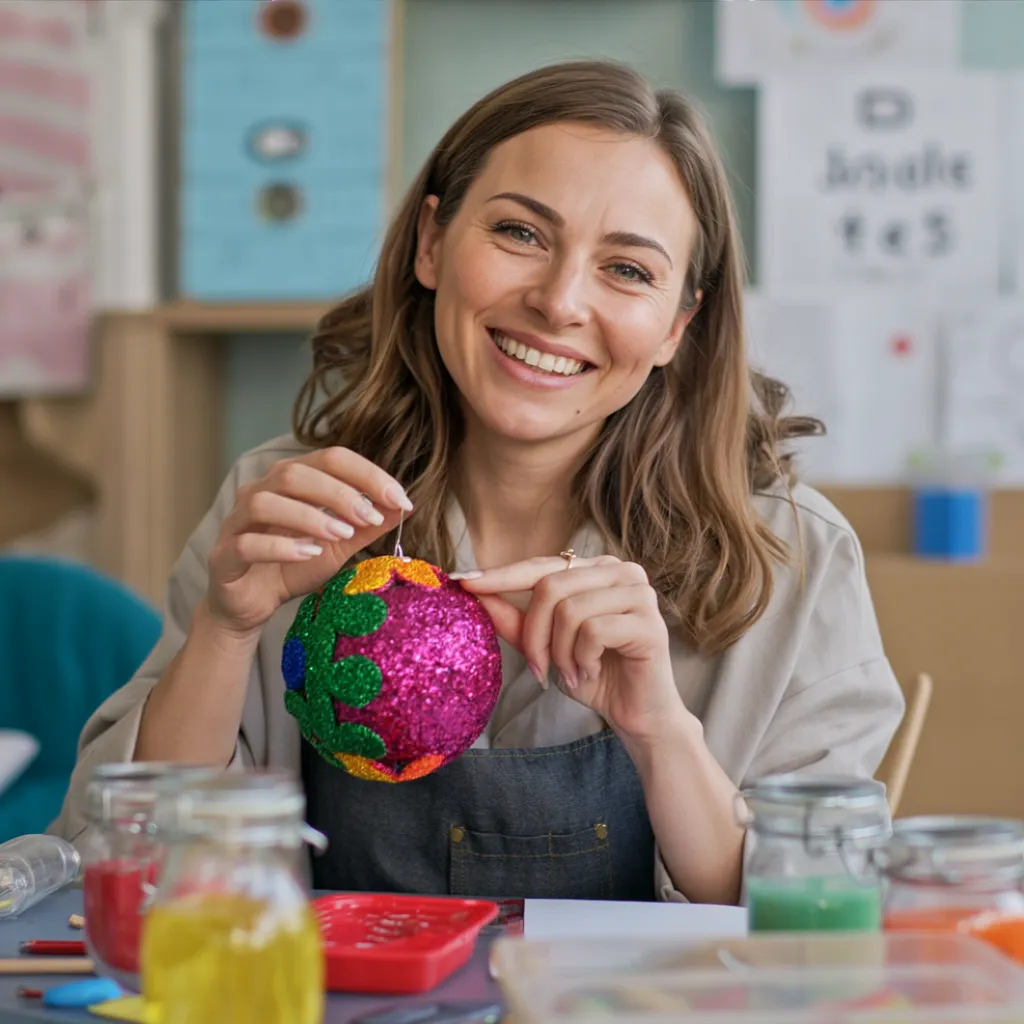

The late afternoon light warmed the table as my hands shaped a small orb of color, a Colorful Bouncy Ball catching the sun like a tiny planet. I felt the glue give under my palms, the dye swirl into bright veins, and the gentle squish of the forming polymer. Making this ball slowed me down. It let me breathe with each small roll, one smooth motion after another, until the little sphere felt finished and quietly bold in my palm. If you want a calm, tactile project, you might like the approach I walked through in a similar piece: calm bouncy balls.
The Heart Behind This DIY

This Colorful Bouncy Ball gives you a slow, comforting rhythm. You touch sticky glue, you stir smooth liquid, and you press and roll until a soft resistance turns into springy joy. That progression helps you stay present. You notice small changes: thickness that shifts under a finger, a fade of wet sheen to satin, the tiny sound of a ball tapping a wooden bowl.
I make these when I want a simple, honest rhythm in my day. I like the way bright pigments look against pale glue, like little islands inside a soft jelly. This craft invites calm through hands-on repetition. You move slowly, you observe texture, and you pay quiet attention to the feel of the material cooling and setting. If you enjoy colorful, sensory making, the same kind of gentle curiosity lives in projects such as magic marble bouncy balls, which explore color and motion in a similar way.
Why this makes people slow down: the work asks for one careful motion at a time. You cannot rush the polymer as it cross-links. Each touch teaches you how the materials behave. The result rewards that attention. You end with something playful and tactile that you made deliberately.
A Gentle Look at the Process
Before you gather supplies, picture the steps like a soft choreography. You mix a base, add color, pour a linking solution, and then shape. The mixing hums quietly. Colors bloom and settle. The linking solution changes texture. You feel the material clump, then come together, and finally hold shape.
The process works through simple chemistry that you can feel rather than analyze. White PVA glue has long, thin molecules. When you add a borate solution, it connects those chains to form a flexible network. That network gives bounce. I keep my language simple when I teach this because the making matters more than the science. If you want another calm take on color and bounce, you can peek at how I used pigment and marble effects in DIY calm color bouncy balls.
As you move through the steps, lean into the sensory cues. Notice the smell of school glue, the coolness of water, the brightness of the dye, the gentle warmth of your hands as you roll.
What You’ll Use to Make Colorful Bouncy Ball
- White PVA school glue (about 1/4 cup) — easy to find
- Warm water (about 1/4 cup) — tap water works fine
- Borax powder or a borax-based solution (safety note below) — optional alternative listed
- Food coloring or liquid water-based dye — use small drops for bright color
- Measuring spoons and cups — precise but forgiving
- Small mixing bowl — shallow works well for stirring
- Spoon or stir stick — for gentle mixing
- Baking cup liners or small molds (optional) — for shaping and drying
- Scissors or a small funnel (optional) — if you use molds or pipettes
- A tray or towel to catch drips — easy cleanup makes the project calm
- Gloves (optional) — for sensitive skin or young crafters
If you prefer to avoid borax, you can use liquid starch or a commercial contact lens solution that contains boric acid and sodium borate. Those alternatives change the texture slightly but still create a bouncy result. I include both options below so you can choose what feels safest for you and your family.
Step-by-Step Directions
-
Measure one quarter cup of white glue into your mixing bowl.
Stir slowly with a spoon until the glue feels smooth and glossy in the bowl.
-
Add about one quarter cup of warm water and stir until thin and even.
The mixture should move gently like syrup, and the glue will dilute to a glossy fluid.
-
Drop one or two small drops of food coloring into the center.
Watch the color spread like a watercolor bloom; stir with soft, circular motions.
-
Make a borax solution by dissolving one teaspoon of borax in one cup of warm water.
If you prefer a gentler option, prepare a small cup of liquid starch or use contact lens solution instead.
-
Add borax solution to the glue mix one teaspoon at a time, stirring after each addition.
You will feel a change: the mixture will grab the spoon and become thicker and more elastic.
-
When the mixture begins to pull away and form a loose pellet, scoop it out.
Use gloved hands or dry hands to knead; the feeling shifts from sticky to springy.
-
Roll the pellet between your palms with slow, gentle pressure.
Keep rolling until the surface smooths and the ball feels firm and bouncy to the touch.
-
If the ball stays sticky, sprinkle a small pinch of cornstarch and knead again.
Cornstarch helps dry the surface without making the core hard.
-
Let the finished ball rest on a paper towel for an hour to firm up.
Test the bounce gently; it will improve as the polymer continues to set.
-
Add small designs by rolling the finished ball over a dry bit of pigment or by pressing tiny beads into the surface.
These details please the eye and add a personal, tactile signature.
I speak from experience: my first few balls felt too tacky because I added too much water. I learned to pay attention to resistance. When the ball pulls cleanly from your fingers, you know you have the right balance. If you work with children, keep a bowl of warm, soapy water nearby to wash hands after kneading and supervise borax use closely.
Where This DIY Fits Into a Calm Routine

{image_template}
A Colorful Bouncy Ball suits short, deliberate breaks. Make one during an afternoon pause when you want a quiet, hands-on reset. The whole project takes about 30 to 45 minutes, with most of that time spent in gentle kneading and waiting, which fits well into a slow afternoon rhythm.
You can build this into a larger crafting ritual. Play soft music, set a warm drink to one side, and give yourself permission to focus on texture and color. I often place a small selection of glazes and dyes on a tray and choose one color on impulse. That small decision feels freeing rather than pressure-filled.
These balls also work as sensory anchors. Keep one at your desk to press and roll during a thoughtful pause. The roundness and resilience encourage small, repetitive motions that ground attention. If you enjoy playful projects, try combining this with other making exercises such as the techniques I learned while crafting super bouncy balls. They share that same slow attention to texture and motion.
How to Store or Reuse Colorful Bouncy Ball
Store your finished balls in a cool, dry box to keep them supple. A fabric pouch or small plastic container works well. Avoid long exposure to direct sun, which can fade colors or make the material brittle over time.
If a ball gets dusty, wash it gently under lukewarm water and pat dry with a soft cloth. Avoid harsh soaps or solvents. If the ball loses bounce over many months, you can refresh its surface by lightly kneading and adding a whisper of water, but do so slowly and sparingly.
You can reuse parts of the process too. Leftover borax solution can safely water non-edible houseplants after heavy dilution, or you can discard it responsibly. If you use molds or liners, wash and dry them before the next use so the ritual begins fresh each time.
When you plan to store balls long term, separate them with tissue paper so colors do not transfer. Keep them away from heat sources and sharp objects that might nick the surface.
Gentle Tips & Variations
-
Try layered color: add a tiny spoon of one color, stir briefly, then add another. Let the colors swirl without fully mixing for a marbled effect.
-
Use glitter sparingly: a pinch adds gentle sparkle, but too much can change the texture. Fine cosmetic glitter works better than chunky craft glitter.
-
Make small friend groups: create several balls in different sizes and store them together. The variety invites playful sorting and quiet play.
-
Experiment with molds: press the warm, slightly tacky ball into a small silicone mold to add patterns. The imprint gives the ball a soft, tactile signature.
-
Choose alternatives: if you avoid borax, use liquid starch or a boric acid contact solution. Each option changes the feel slightly. Try them on a small batch first.
These suggestions aim to invite creativity, not demand perfection. Try one or two ideas, and notice how each choice changes the experience. I love the way layering color slows me down; I take longer to stir and watch pigments move like slow rivers.
FAQs About Colorful Bouncy Ball
Q: Is borax safe to use for this project?
A: Borax works well to create a bouncy texture, but it needs respect. I advise working in a well-ventilated space, wearing gloves if skin feels sensitive, and supervising children closely. You can choose liquid starch or a contact lens solution instead, which many people find gentler. Always wash hands after handling.
Q: How long will the ball stay bouncy?
A: With good storage—out of direct sun and in a cool, dry place—a ball can stay enjoyable for months. It may slowly dry at the surface or lose a little spring over time. Gentle washing and re-kneading can refresh the feel for a while.
Q: Can younger children help with this craft?
A: Yes, with careful supervision. Young children can add color and roll the formed ball. Have an adult handle the borax step or use a borax-free method like liquid starch. Keep the working area tidy and use gloves if you prefer.
Q: Can I make large balls?
A: You can scale the recipe, but larger balls need more time to fully set. The center may stay softer for longer. Make a few small practice balls first and learn the feel of a well-formed ball before increasing size.
Q: What if my ball stays too sticky?
A: Add a pinch of cornstarch and knead gently. Work slowly and add tiny amounts at a time. If you over-dry, you may make the surface stiff; aim for a silky, slightly tacky finish that yields to pressure.
A Quiet Closing Thought
Sit for a moment with the ball in your hand after you finish. Feel its temperature, the way light reflects on its surface, the slight give when you press with a thumb. These small observations slow the mind and return you to the present. Making quietly asks you to pay attention to tiny changes. That attention becomes its own reward.
Return to this craft when you need a calm reset. Let color and texture guide you. Make small choices, notice the materials respond, and enjoy the steady, intentional pace.
Conclusion
For ready-made kits and supplies that pair well with this project, I sometimes look to simple sets that include colorful balls and playful textures, such as the Party Favors Bouncy Ball Kit for Kids, FunKidz Make Colorful Magic which can add convenience and extra color choices to a calm making session. If you prefer larger, durable playground-style options for tactile play, consider the selection like the New-Bounce Bouncy Balls for Kids – 8.5" Colorful Dotted Swirl for playful moments that extend beyond a single craft.
Thank you for sitting with this quiet project. May your making feel gentle, steady, and full of small bright moments.
PrintColorful Bouncy Ball

A hands-on project to create vibrant, bouncy balls using simple materials that encourage sensory exploration and calm.
- Prep Time: 10 minutes
- Cook Time: 30 minutes
- Total Time: 40 minutes
- Yield: 1 bouncy ball
- Category: Craft
- Method: Crafting
- Cuisine: None
- Diet: None
Ingredients
- 1/4 cup white PVA school glue
- 1/4 cup warm water
- 1 tsp borax powder (optional)
- Food coloring or liquid dye
- Measuring spoons and cups
- Small mixing bowl
- Spoon or stir stick
- Baking cup liners or small molds (optional)
- Tray or towel for cleanup
- Gloves (optional)
Instructions
- Measure one quarter cup of white glue into your mixing bowl.
- Stir slowly with a spoon until the glue feels smooth and glossy in the bowl.
- Add about one quarter cup of warm water and stir until thin and even.
- Drop one or two small drops of food coloring into the center.
- Make a borax solution by dissolving one teaspoon of borax in one cup of warm water.
- Add borax solution to the glue mix one teaspoon at a time, stirring after each addition.
- When the mixture begins to pull away and form a loose pellet, scoop it out.
- Roll the pellet between your palms with slow, gentle pressure.
- If the ball stays sticky, sprinkle a small pinch of cornstarch and knead again.
- Let the finished ball rest on a paper towel for an hour to firm up.
- Add small designs by rolling the finished ball over dry pigment or pressing tiny beads into the surface.
Notes
Consider using liquid starch or contact lens solution as a gentler alternative to borax. Pay attention to the texture while making for the best results.