

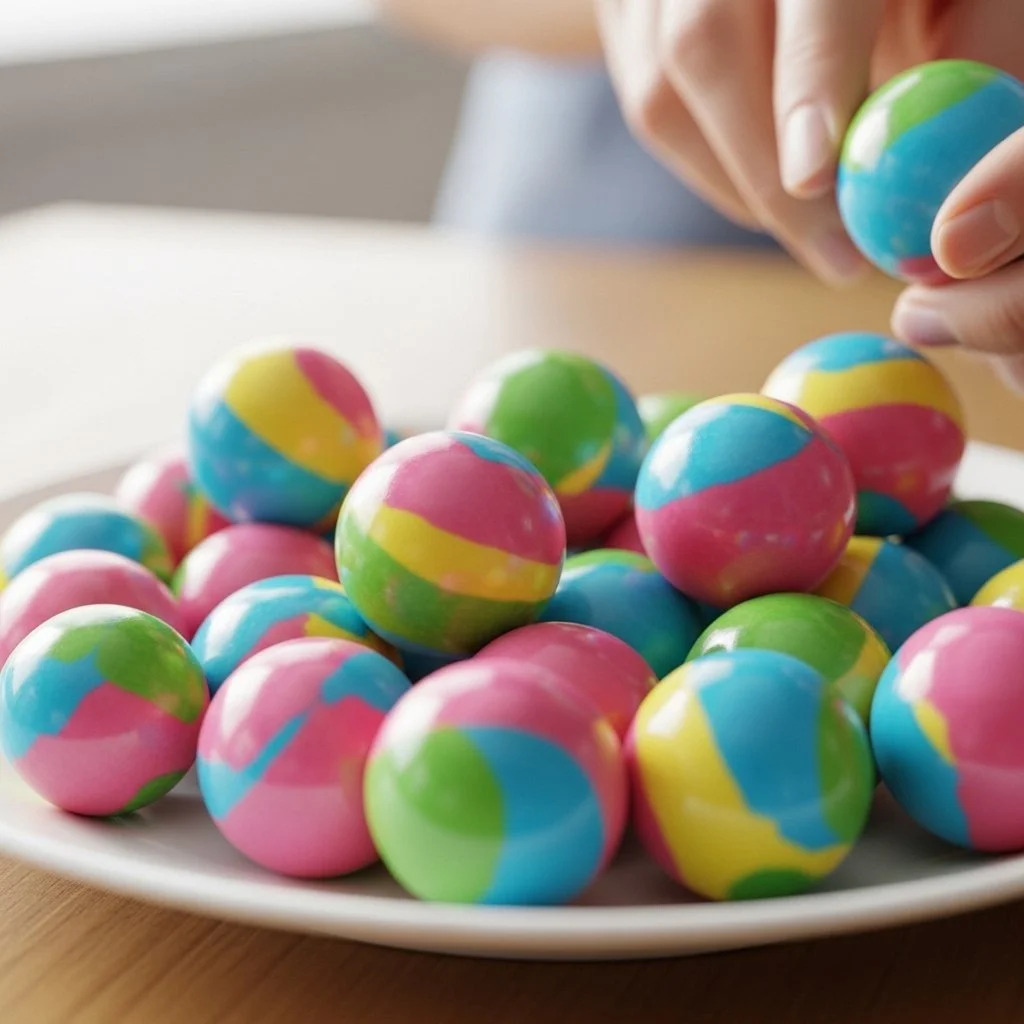
A thin ribbon of warm light spills across my work table as I press my thumbs into a soft, smooth ball of polymer. The surface gives, then bounces back with a quiet snap. I breathe a slow breath and notice the tiny scratch of cornstarch on my fingertips, the faint scent of glue, and the gentle rhythm of rolling into a round that feels right. Calm Bouncy Balls invite that slow, tactile attention and a sense of small, steady success.
Why Calm Bouncy Balls Feels Comforting to Create
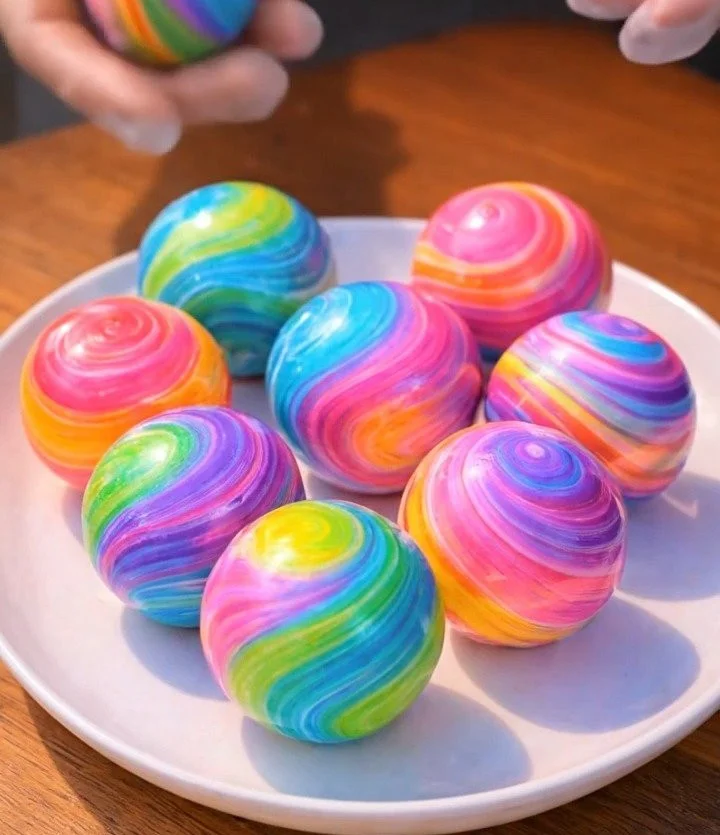
Making a small, springy ball gives you a focused, sensory pause. You work with textures that change beneath your hands. The sticky thread of glue becomes elastic, then firm and smooth.
This process quiets an anxious mind by asking for simple, steady attention. You measure, mix, press, and listen to the soft squish and the quiet click when the surface smooths. The result offers a little, portable reward that springs back and reminds you of your hands’ gentle ability to shape something joyful.
I like to pair this making time with a slow playlist or a window view. You can find similar playful ideas in the way others shape color and motion, such as this take on magic marble bouncy balls. That tutorial inspired me to slow down and notice the materials more carefully.
A Gentle Look at the Process
Before you gather tools, imagine the flow. You first mix a thin borax solution, then stir that into colored glue that holds a soft cloud of cornstarch. The mixture moves from stringy and slippery to thick and springy.
You will watch the material respond under your palms. Kneading folds slight tackiness into a smooth, uniform surface. Rolling on a soft cloth or a silicone pad gives you a final tactile polish. The sound stays low. Your hands will tell you when the ball feels ready.
If you like calmer, aroma-centered projects, consider a companion like our lavender play dough for a sensory table where scent and touch meet, found here calming lavender play dough. That project pairs well with a quiet bouncy ball session for a multi-sensory practice.
Materials You’ll Need
- White PVA glue, about 1/4 cup (easy to find; Elmer’s works well)
- Borax powder, 1/2 teaspoon (common laundry booster; use carefully)
- Warm water, two small bowls (for mixing)
- Cornstarch, 2 to 3 tablespoons (for texture and smooth finish)
- Food coloring or mica powder, optional for color and shimmer
- Measuring spoons, small spoon, and a small cup for the borax solution
- Mixing bowl for the glue and cornstarch blend
- Silicone mat or wax paper for rolling (keeps surface tidy)
- Small towel and a jar or airtight container for storage
- Gloves, optional, and a small damp cloth for cleanup
A note about substitutes. If you prefer to avoid borax, you can try a contact lens solution and baking soda mixture with PVA glue for a similar polymer reaction. I saved a few alternative recipes in my testing phase and found this site on super bouncy balls useful for reference, like the ideas in super bouncy balls.
Step-by-Step Directions
- Mix the borax solution. Stir 1/2 teaspoon of borax into 1/4 cup of warm water until it dissolves. Set the clear solution aside and breathe slowly while it cools.
- Pour the glue into your mixing bowl. Add a splash of warm water to loosen the glue and a few drops of color if you want a tint. Stir slowly and notice the stringy texture soften.
- Add cornstarch. Sprinkle 2 tablespoons of cornstarch into the glue and fold gently. The mixture will thicken and feel grainy at first. Pause if you like to feel the change beneath your fingers.
- Slowly add borax solution. Drip a few drops into the glue mixture while stirring. The material will start to clump and pull away from the bowl. Add more solution drop by drop until it comes together.
- Lift and knead. Once the mixture forms a single mass, take it into your hands and knead. Press, fold, and roll. The tackiness fades and the ball becomes elastic and bouncy.
- Shape with intention. Roll the ball between your palms with slow, even pressure. Aim for a smooth, even surface. The motion calms the mind and polishes the ball.
- Dust with cornstarch. If the surface feels sticky, roll the ball gently on a little cornstarch on the mat. This absorbs extra moisture and gives a soft matte finish.
- Rest and test. Let your ball sit for 15 to 30 minutes. Then drop it gently from a low height. It should bounce back with a soft, satisfying hop.
- Adjust if needed. If the ball crumbles, add a drop of borax solution and knead. If it stays too sticky, dust and knead more cornstarch in.
- Store gently. Place the finished ball in an airtight jar or pouch to keep it springy. Wipe your surface and hands with a damp cloth and wash your hands thoroughly.
Each step asks you to move slowly and attend to small changes. I like to time my kneading in three-minute intervals, returning after a pause to notice temperature and bounce. That rhythm helped me refine the feel I wanted.
Bringing Calm Bouncy Balls Into Your Space
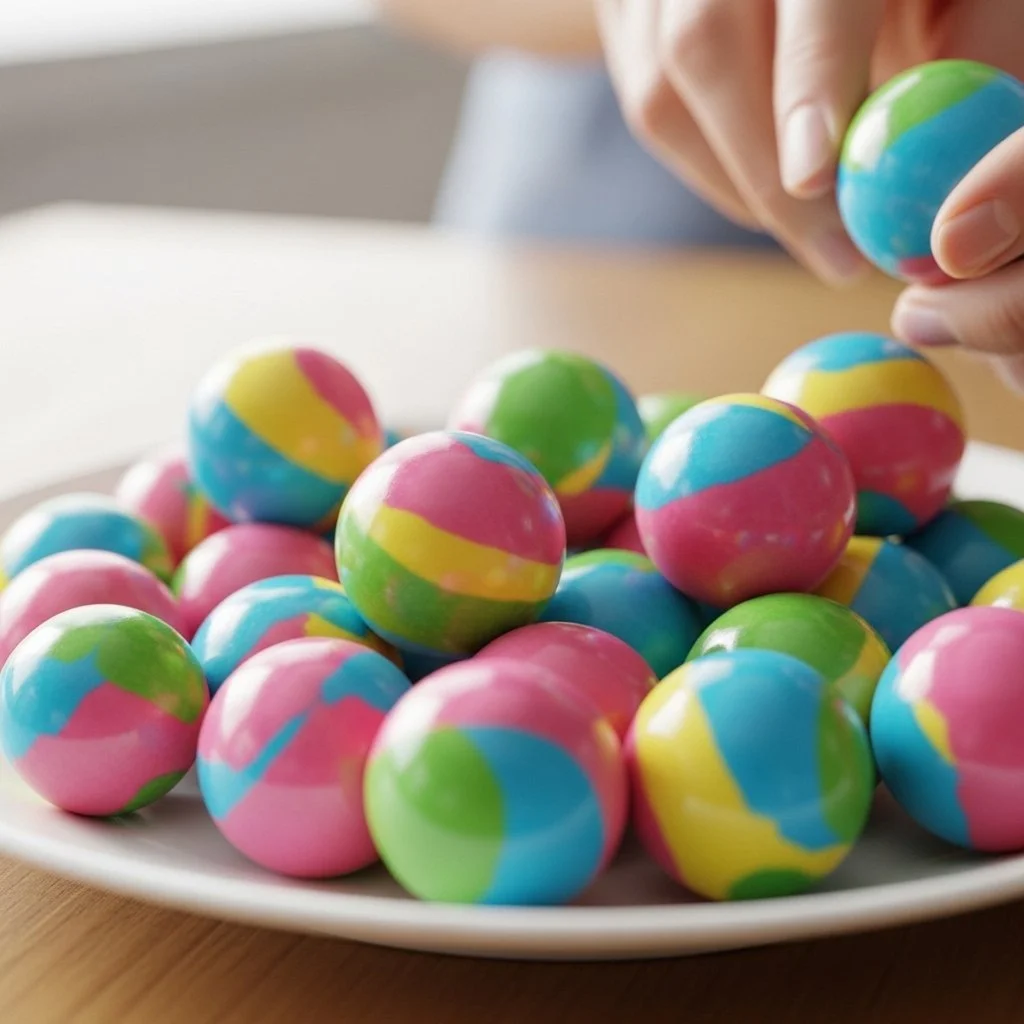
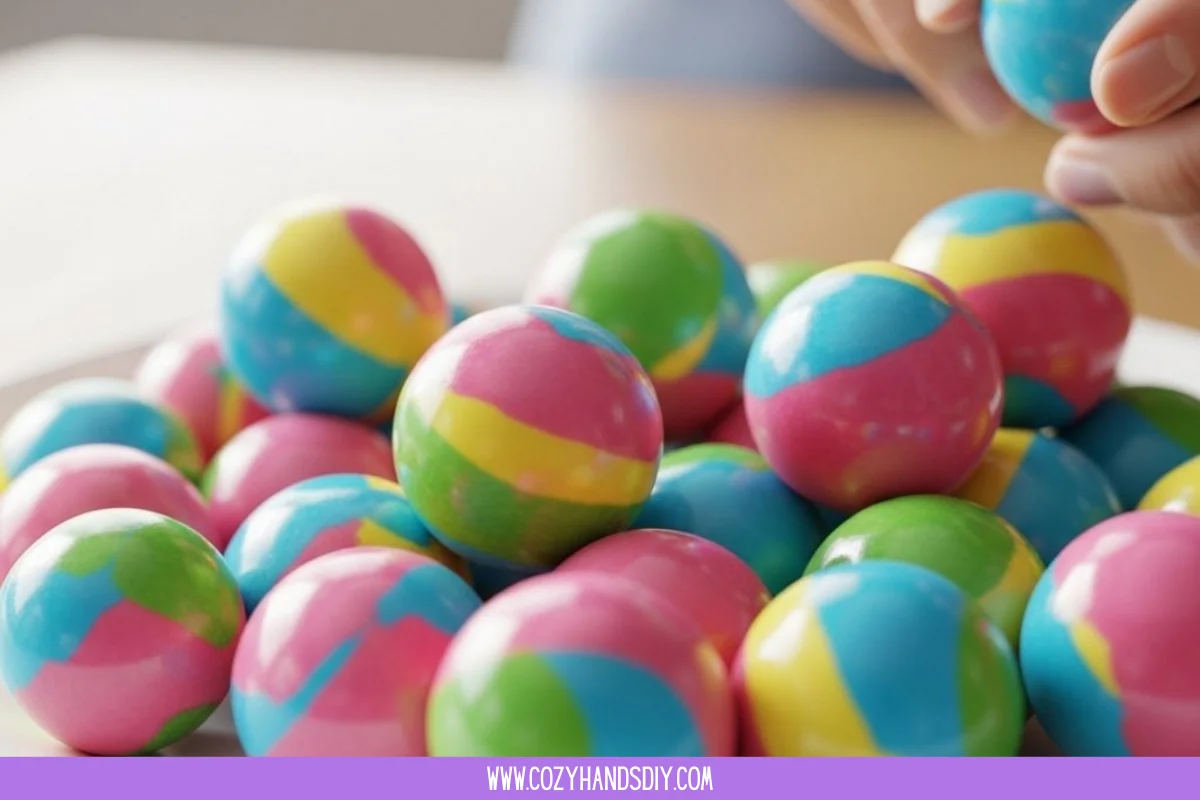
A finished Calm Bouncy Ball fits easily into quiet corners and pockets. Keep a small jar on a low shelf, tucked beside a stack of soft books. When you need a mindful pause, retrieve the jar, roll a ball with warm hands, and breathe into the motion.
On a bedside table, the ball can act as a tactile anchor before sleep. During a short break at a desk, a few gentle bounces slow the heart and give your hands a purposeful task. I sometimes place one beside a cup of tea to remind myself of this small ritual.
If you want more playful designs or ideas for display and use, try this DIY take that pairs texture and color well: diy magic marble bounce balls. That tutorial helped me think about how color and finish change the mood of a simple object.
How to Store or Reuse Calm Bouncy Balls
Store your bouncy balls in a cool, dry jar away from direct sunlight. Heat can soften the polymer and reduce bounce over time. Label the container with the date you made them if you like to track how they age.
If a ball loses its spring, knead in a tiny amount of borax solution or a drop of water and cornstarch until the texture returns. For sticky balls, dust with cornstarch and knead until the tack fades. Avoid storing multiple balls in a cloth bag together if they feel slightly sticky, as they may stick to each other.
You can reuse small broken pieces as texture beads in other crafts. Crumble and mix them into a clear glue for glossy accents or press small bits into clay for a subtle grab of color. I once salvaged a cracked ball by flattening it into a tactile disc that rests on my desk as a palm rest.
Gentle Tips & Variations
- Invite scent softly. Add a single drop of lavender or eucalyptus essential oil to the cornstarch before rolling. Test a small piece first to ensure the scent does not irritate skin.
- Try shimmer and matte. Mix in a pinch of mica powder for a pearly sheen or keep the natural matte finish for a calm, tactile surface.
- Make a trial size. Start with half the recipe to practice texture and feel before committing to larger amounts.
- Use a softer crosslinker. If you worry about borax, try the contact lens solution and baking soda method as a gentler alternative. This method reacts with PVA glue similarly and often produces a less stiff ball.
- Pair with a ritual. Place a small cloth and a gentle bell nearby. Ring the bell, roll the ball for a minute, and then return to your day. The ritual reinforces calm.
I learned over several afternoons to favor a softer bounce for household use. Too springy felt jarring; slightly muted gave me a comforting, stateful return that fit my slow-making rhythm.
FAQs About Calm Bouncy Balls
Q: Are these safe for children?
A: With supervision and clear rules, older children can join. Keep borax and small pieces out of reach of very young children. I always supervise and suggest gloves for little hands. Washing hands after play reduces any residue.
Q: How long do they last?
A: With gentle care, a Calm Bouncy Ball can last for weeks to months. Storage, temperature, and how often you squeeze it affect longevity. I store mine in an airtight jar and rotate them into use slowly.
Q: What if my ball stays sticky?
A: Dust with cornstarch and knead. If stickiness persists, add a small drop of borax solution, knead, then rest. Start with tiny adjustments and test as you go.
Q: Can I color them naturally?
A: Yes. You can try natural pigments like beet powder or spirulina, but test small amounts because these can change the feel or scent. Food coloring works reliably for subtle color.
Q: Will they stain clothes or furniture?
A: Fresh balls can transfer color if they remain damp. Let them dry and dust with cornstarch before placing them near fabric. I often keep a small mat to protect surfaces while I work.
A Quiet Closing Thought
Sit with your finished ball for a moment of gratitude. Feel the smoothness and the gentle resilience in your hands. Each small making choice added up to this tactile reward, and each pause in the process helped settle the mind.
Making Calm Bouncy Balls can become a tiny ritual. You do not need perfection. You need presence. When you practice rolling, kneading, and noticing, you build a slow, reliable way to return to calm.
Conclusion
If you want a playful way to manage background activity, consider what other people use to invite gentle focus, such as the tool at Bouncy Balls – Manage classroom noise with bouncing balls!. For ready-made sensory toys that offer light and motion, this option shows products that might inspire further ideas: Sensory Toys for Kids with Autism Toys for 3-4 5-7 8-12 Gifts for ….
Thank you for making with calm hands. Keep your materials simple, your movements steady, and your curiosity soft.
PrintCalm Bouncy Balls
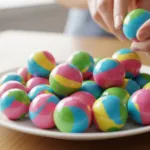
A simple and engaging process to create soft, springy bouncy balls using basic materials.
- Prep Time: 10 minutes
- Cook Time: 30 minutes
- Total Time: 40 minutes
- Yield: 1 bouncy ball
- Category: Craft
- Method: Mixing and kneading
- Cuisine: DIY
- Diet: N/A
Ingredients
- 1/4 cup White PVA glue
- 1/2 teaspoon Borax powder
- 2 small bowls of warm water
- 2 to 3 tablespoons Cornstarch
- Food coloring or mica powder (optional)
- Measuring spoons
- Mixing bowl
- Silicone mat or wax paper
- Small towel and an airtight container for storage
- Gloves (optional)
- Small damp cloth for cleanup
Instructions
- Mix the borax solution by stirring 1/2 teaspoon of borax into 1/4 cup of warm water until it dissolves.
- Pour the glue into your mixing bowl and add a splash of warm water, along with a few drops of color if desired.
- Add the cornstarch by sprinkling 2 tablespoons into the glue and folding gently until thickened.
- Slowly add borax solution drop by drop while stirring until the mixture starts to clump.
- Lift the mixture into your hands and knead until elastic.
- Shape the ball by rolling it between your palms with even pressure.
- Dust with cornstarch if the surface is sticky.
- Rest the ball for 15 to 30 minutes before testing its bounce.
- Adjust if needed by kneading in more borax solution or cornstarch.
- Store the finished ball in an airtight jar or pouch.
Notes
For alternative methods, consider using contact lens solution and baking soda instead of borax.