

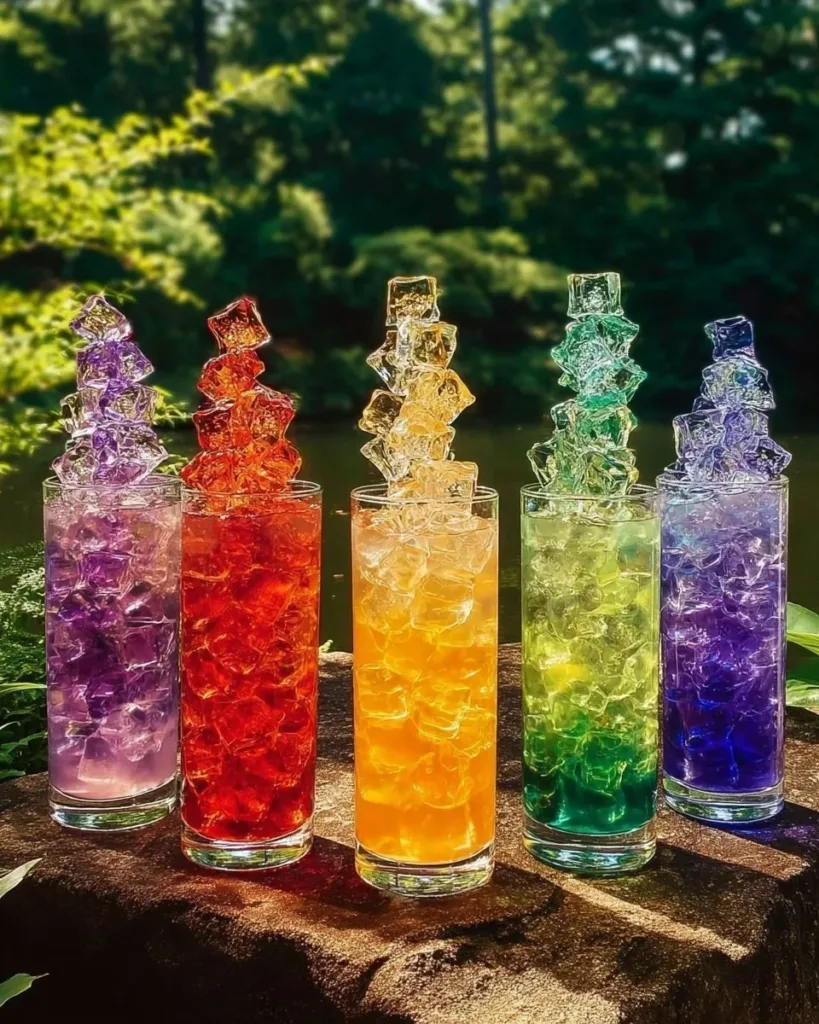
I press my thumb into a bowl of fine, white baking soda and feel a soft, powdery coolness that settles on my skin like quiet snow. Light from the window catches tiny grains and the room smells faintly like clean laundry and sun-warmed clay. As I bend pipe cleaners into tiny trees and drip a single dot of food coloring, I breathe slowly and listen to the gentle clink of glass as jars align on the table. This small, deliberate work becomes a slow ritual: making a Baking Soda Rainbow Crystal Forest invites quiet focus and a small, bright surprise when crystals begin to form.
I used a small set of notes from a previous project to remember the gentle ratio I liked best, and I often return to those pages when I want to make a second, softer forest. If you want extra photos and a visual guide for rainbow crystals, I keep a gallery at rainbow crystal tips and photos that might help as you plan your colors.
Why Baking Soda Rainbow Crystal Forest Feels Comforting to Create
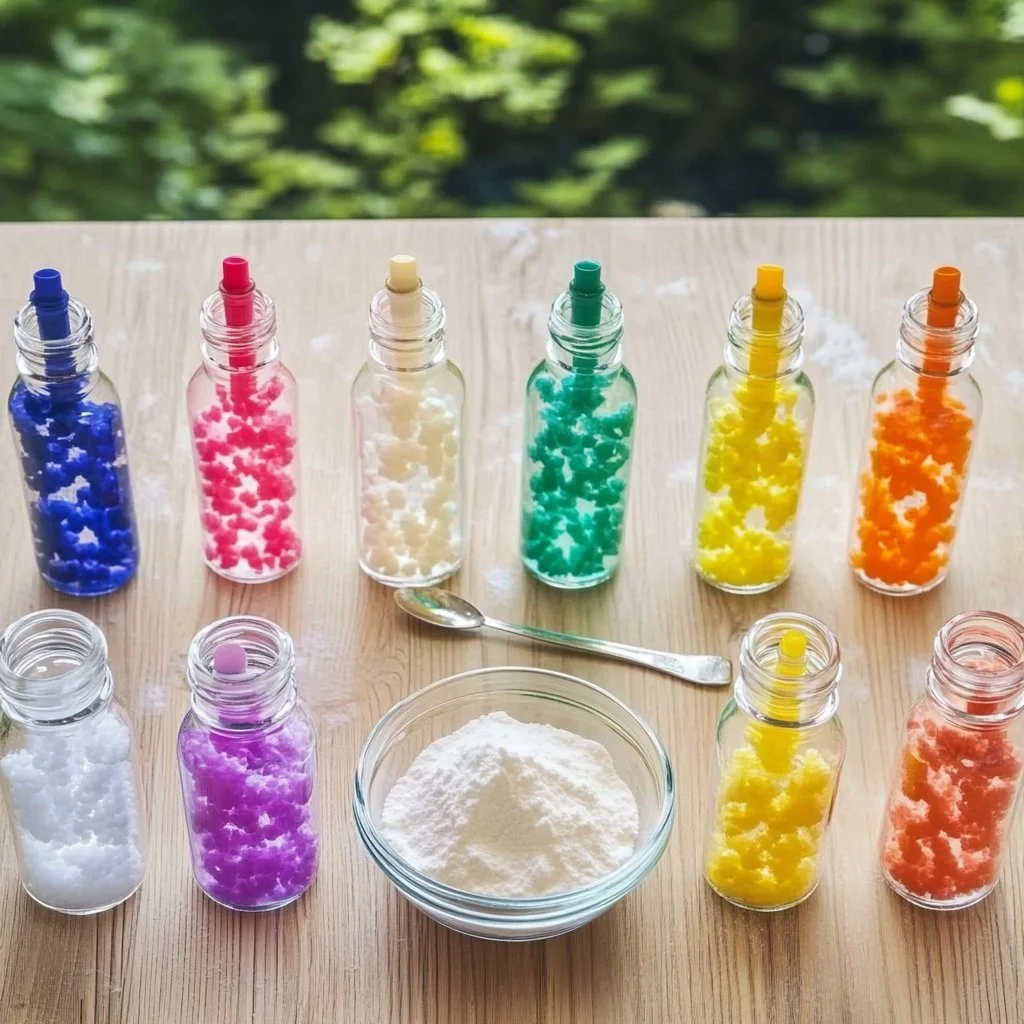
This project asks for slow attention rather than speed. It invites you to fold soft wire into shapes, to mix warm water and baking soda until the solution shimmers, and to watch tiny beads of mineral appear along a limb over hours. Each action offers a small tactile reward: the smoothness of glass jars, the cool weight of a crystal, the wet gleam of a newly colored drop.
I find comfort in the sensory loop. Mixing creates a quiet sound; pouring makes a soft ribbon; waiting encourages presence. The crystals grow while you sit with a cup of tea, or walk away and return later to a new surface that sparkles. The process asks you to slow down, and in that slowness the room feels calmer. If you want a fuller walkthrough of the whole project in a single spot, my project notes live at Baking Soda Rainbow Crystal Forest project, where you can see variations and size ideas.
Why this matters gently: making something that changes over time connects you with a small, friendly natural process. You set the scene and then the crystals do the rest, which feels both generous and soothing.
The Flow of Making Baking Soda Rainbow Crystal Forest
Before we list materials, imagine a soft rhythm. You will bend and knot, stir and pour, then place and wait. The movements stay small and steady. You might hum while you work, or keep the radio quiet and listen for the house settling. The texture shifts from powder to solution to glittering formation.
You will feel a cool bowl against your palms when you mix, and warm glass when the sun touches a jar. Colors bloom slowly when you add them, sometimes blending in gentle gradients. The sound of drying is almost like a whisper as the crystals cling and the surface hardens beneath your fingers. That quiet progression mirrors a slow walk, and it helps the mind follow its pace.
Materials You’ll Need
- Baking soda (sodium bicarbonate), plain, about 2 cups
- Warm water, about 2 cups (adjust to dissolve)
- Clear glass jars or small cups (easy to see growth)
- Pipe cleaners or thin wire for tree shapes (easy to bend)
- Cardboard or foam base to anchor tree trunks (optional, easy to find)
- Food coloring or liquid watercolors (use small amounts; optional)
- Measuring cups and spoon (simple kitchen tools)
- A spoon or stir stick (smooth wooden or plastic)
- A small funnel or dropper (optional; gentle control of color)
- Paper towels and a tray for cleanup (soft, absorbent)
- Safety notes: small bowls for children, gloves if you prefer to protect skin (optional)
You can also use the same set of materials to make other crystal shapes; if you like trees, try my guide for a different silhouette at crystal-growing tree ideas. That page shows how similar materials behave with slightly different forms.
A few gentle explanations about materials
- Baking soda dissolves better in warm water, and a fuller solution helps crystals form as the liquid cools and evaporates.
- Clear glass helps you watch growth and catch the light.
- Pipe cleaners give a soft texture for crystals to cling to. Their fuzzy surface acts like natural anchors for tiny mineral bonds.
Step-by-Step Directions
- Fold and shape your pipe cleaners into small trees or abstract forest shapes.
Feel the wire respond; twist gently until you like the silhouette.
Keep trunks sturdy so they stand in the base material. - Prepare a shallow base for each tree using cardboard or foam.
Cut a small disk or square and poke a hole for the trunk.
Anchor the trunk by twisting a bit of tape at the base if needed. - Warm about two cups of water until it feels comfortably hot to the touch.
Pour into a bowl and slowly add baking soda a little at a time.
Stir until the mixture thickens and becomes glossy; you may see a faint shimmer. - Keep adding baking soda until no more dissolves and a slight grain forms.
This means your solution approaches saturation and will encourage crystals.
Stop before it becomes gritty; you want a smooth, heavy liquid. - If you want color, add a few drops of food coloring to the solution or to droplets.
Stir gently so color moves slowly through the mix.
Work with one color at a time for clearer bands, or combine for soft blends. - Place a tree into a jar and pour the baking soda solution around its base.
Fill to cover the lower branches slightly; the liquid will climb by capillary action.
Put jars on a steady tray to catch drips and to keep movement minimal. - Set the jars in a warm, bright place out of direct sun.
The solution will evaporate slowly; crystals begin to form as water leaves.
Leave undisturbed for 12 to 48 hours and check occasionally without jostling. - Watch for tiny nodules of white beginning along the pipe cleaners.
They will feel dry and slightly sandy at first and then firm up.
If you like, add a tiny dab of colored solution with a dropper to nudge hues. - Remove the trees gently once the crystals feel firm and dry.
Lift slowly and let excess liquid drip back into the jar.
Place on paper towels to dry further; crystals will continue to harden. - If some areas need more growth, re-immerse a branch tip briefly in fresh solution.
Add small amounts rather than a full refill; predictability aids gentle growth.
Repeat until you like the density and shape. - Let your finished trees dry completely on a tray away from direct drafts.
Crystals harden best when humidity stays low.
Touch carefully; some crystals can flake if handled roughly. - Arrange your forest and take a breath to enjoy the soft light on each crystal.
Change the display rhythm often; move a tree to a windowsill for a new angle.
Celebrate small surprises: a tiny cluster or unexpected color blend.
Each step stays small and patient. When I make these, I stir with a wooden spoon and notice the faint warmth that travels up my hand. I mark time with slow breaths and a quiet playlist. I place jars on a garden bench and return after an hour to see minute changes, and that small return feels like a gentle check-in with the day.
Using Baking Soda Rainbow Crystal Forest in Everyday Life
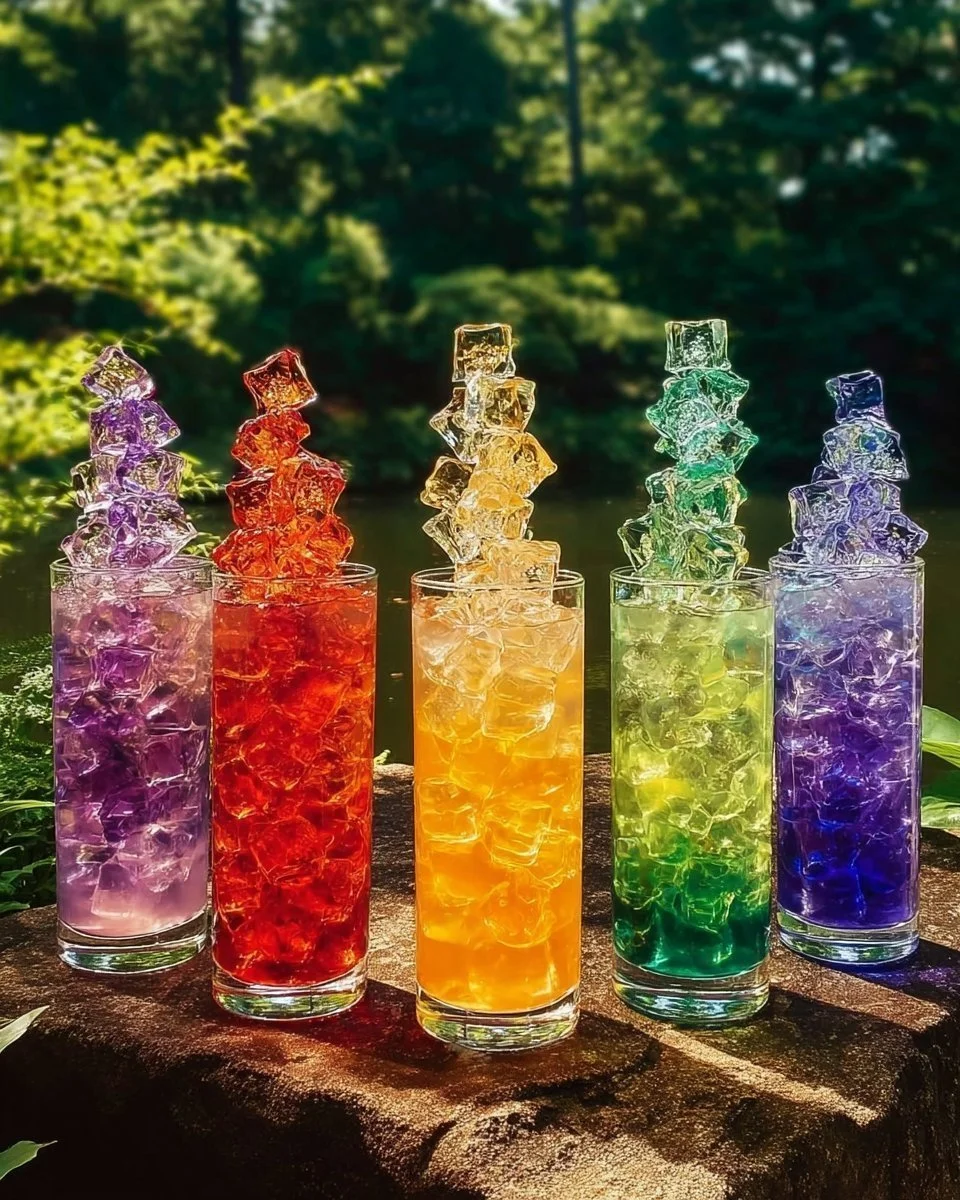
A finished little forest can sit on a bookcase, a windowsill, or a bedside table. The crystals catch morning light and give a soft, sparkly glow without glare. Because these pieces form slowly, they feel personal and a touch reserved, making them good for quiet corners.
I like to place a single tree beside a cup of tea when I write. The sight of it becomes a companion to my thoughts. Another favorite is a set of three trees at varying heights on a low shelf; the layers of color and texture encourage the room to slow. For seasonal touches, tuck a few trees into a low bowl with smooth pebbles for a soothing centerpiece.
For larger displays, group several small trees on a tray and include a note card describing when you made them. Those small stories keep the objects connected to moments rather than becoming mere decoration. If you want more ways to present similar pieces, I share displaying ideas at displaying crystal trees, which can inspire a shelf or mantel vignette.
A few practical uses
- Gentle gifts: small trees wrapped in tissue feel intimate and handmade.
- Calm timers: start the project before a quiet hour and return when growth begins.
- Quiet parties: make tiny forests alongside friends for a shared creative pause.
How to Store or Reuse Baking Soda Rainbow Crystal Forest
Store finished pieces in a dry place away from moisture and direct heat.
A simple lidded box with tissue works well for seasonal pieces.
If you want to keep the sparkle longer, place silica packets nearby to absorb humidity.
To reuse parts, you can carefully remove crystals by soaking the pipe cleaner in warm water.
The crystals will soften and release; then you can reshape the wire and start again.
If the base gets messy, replace cardboard or foam and reuse your glass jars after a wash.
If crystals become dull because of dust, brush gently with a soft paintbrush.
Avoid vigorous rubbing; that can loosen delicate structures.
When you plan to keep a piece long term, consider a small glass dome for protection.
Safety and durability notes
- Keep pieces away from curious hands and pets who may try to taste the crystals.
- Crystals can be brittle; handle with care to avoid flakes.
- If you used food coloring, be mindful that some dyes can stain fabrics or skin.
Gentle Tips & Variations
- Invite texture: wrap twine or thin fabric around trunks before soaking.
The extra surface helps crystals form in thicker layers.
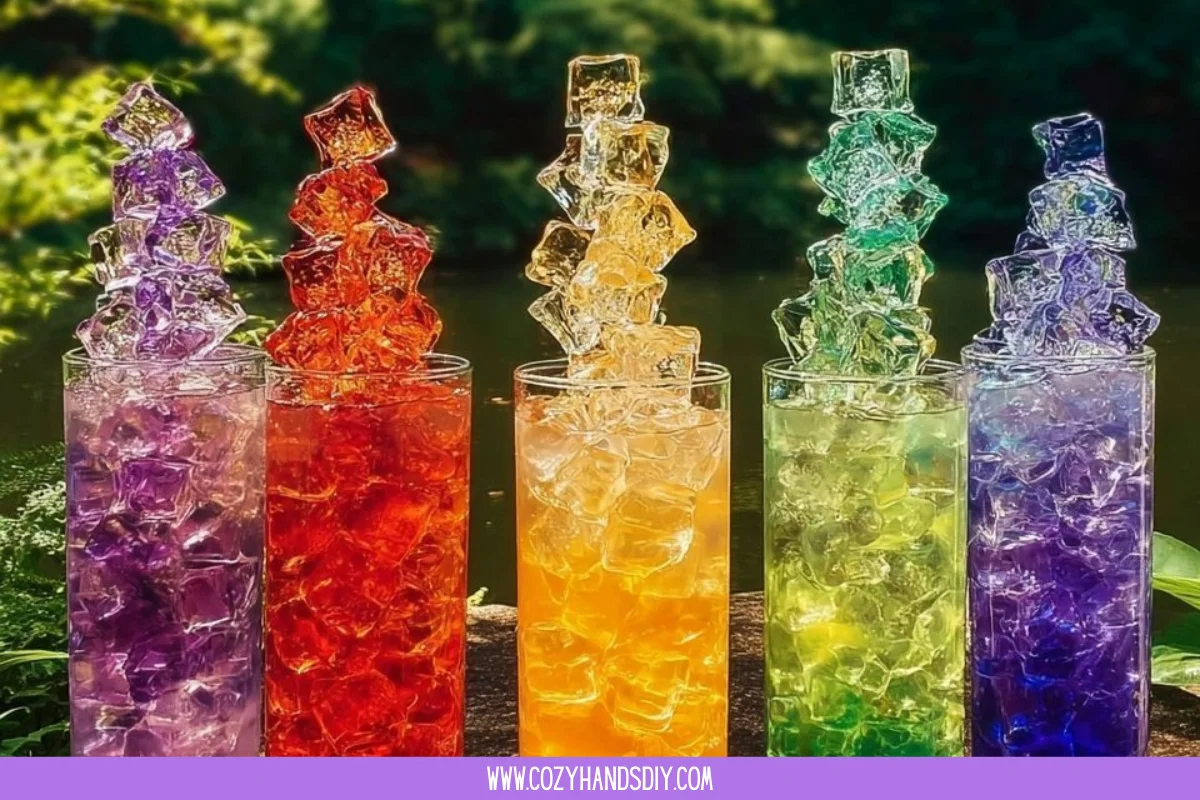
This creates a more forest-like bark and a slower, layered growth. - Try soft gradients: drop one color at a time onto different branches.
Let it sit for a few minutes before adding another hue nearby.
The colors meet subtly without mixing into mud. - Mix in other salts: if you want larger crystals, gently try Epsom salt in part of your solution.
Note that materials behave differently; test on a spare pipe cleaner first.
I always mark test samples so I remember which mix I preferred. - Work small: for a calmer rhythm, make one or two trees at a time.
This keeps the task meditative and prevents a cluttered bench.
I found that fewer pieces gave me more focused delight. - Make it a ritual: pair the ceremony of pouring and placing with a simple phrase.
It could be as short as “grow slow” or a deep inhale and out.
These tiny rituals help anchor the making in a present moment.
These suggestions act like soft invitations rather than rules. I learned by trying different amounts and then pausing to write notes. That practice of small experiments brought confidence and a sense of steady mastery.
FAQs About Baking Soda Rainbow Crystal Forest
How long do the crystals take to form?
Most pieces show visible growth within 12 to 48 hours.
Full drying and firming may take several days.
Patience rewards with denser crystals and clearer colors.
Are the crystals safe to touch or handle?
The crystals feel dry and slightly grainy when mature.
They contain no harmful chemicals in normal household use, but do not eat them.
Keep them out of reach of small children and pets to avoid accidental tasting.
What if the solution does not form crystals?
Try a slightly warmer water and add a bit more baking soda until the solution thickens.
Ensure the jar sits still and evaporation can proceed.
If you still see little change, try a test with a small amount of Epsom salt to compare growth.
Can I use liquid watercolors instead of food coloring?
Yes, liquid watercolors work well and often disperse more evenly.
They give clear hues without affecting the solution much.
Start with a drop or two; a little color goes a long way.
How do I clean up spills or stains from food coloring?
Act quickly with warm water and a mild detergent.
Blot rather than rub to lift dye from porous surfaces.
Wear an apron if you prefer and lay down paper towels on your workspace.
A Gentle Note Before You Go
The quiet joy of making small crystals lies in watching an ordinary substance change slowly into something that glints and holds light. Each tree captures a moment: the way you bent a branch, the color you chose without thinking, the afternoon you let pass while the world did its own small work. I encourage you to approach this project as an act of calm, not a race. Notice textures, listen for small sounds, and allow the making to feel like a gentle conversation between your hands and the materials.
If you carry a tiny forest into another room, pause to see how the light meets it. If you wrap one as a gift, tuck a note about the day you made it. These small practices keep the craft meaningful and rooted in real moments. Thank you for giving your attention to this quiet kind of making. May your hands find pleasure in the soft, patient rhythm of crystals growing.
Conclusion
For a simple science explanation and more experiment ideas using baking soda, see the helpful guide at ARM & HAMMER growing crystals experiment, which offers clear steps and scientific background that pair well with this craft. If you want another colorful tutorial with alternate methods and visuals, you may enjoy this playful walkthrough at craftland Baking Soda Rainbow Crystal Forest tutorial.
PrintBaking Soda Rainbow Crystal Forest
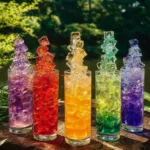
Create beautiful rainbow crystal trees using baking soda and warm water in this calming and rewarding project.
- Prep Time: 15 minutes
- Cook Time: 0 minutes
- Total Time: 48 minutes
- Yield: Multiple crystal trees
- Category: Craft
- Method: Crafting
- Cuisine: N/A
- Diet: N/A
Ingredients
- Baking soda (sodium bicarbonate), plain, about 2 cups
- Warm water, about 2 cups (adjust to dissolve)
- Clear glass jars or small cups
- Pipe cleaners or thin wire
- Cardboard or foam base (optional)
- Food coloring or liquid watercolors (optional)
- Measuring cups and spoon
- A spoon or stir stick
- A small funnel or dropper (optional)
- Paper towels and a tray for cleanup
- Gloves (optional)
Instructions
- Fold and shape your pipe cleaners into small trees or abstract forest shapes.
- Prepare a base for each tree using cardboard or foam.
- Warm about two cups of water until it feels comfortably hot to the touch.
- Pour into a bowl and slowly add baking soda, stirring until thick and glossy.
- Add food coloring if desired and stir gently.
- Place a tree into a jar and pour the solution around its base.
- Set the jars in a warm location to allow crystals to form over 12 to 48 hours.
- Watch for tiny nodules forming and make adjustments as needed.
- Remove trees gently once crystals are firm and dry.
- Let them dry completely on a tray and enjoy your created forest.
Notes
Store finished pieces in a dry place and away from direct heat to maintain their structure. Keep away from children and pets.