

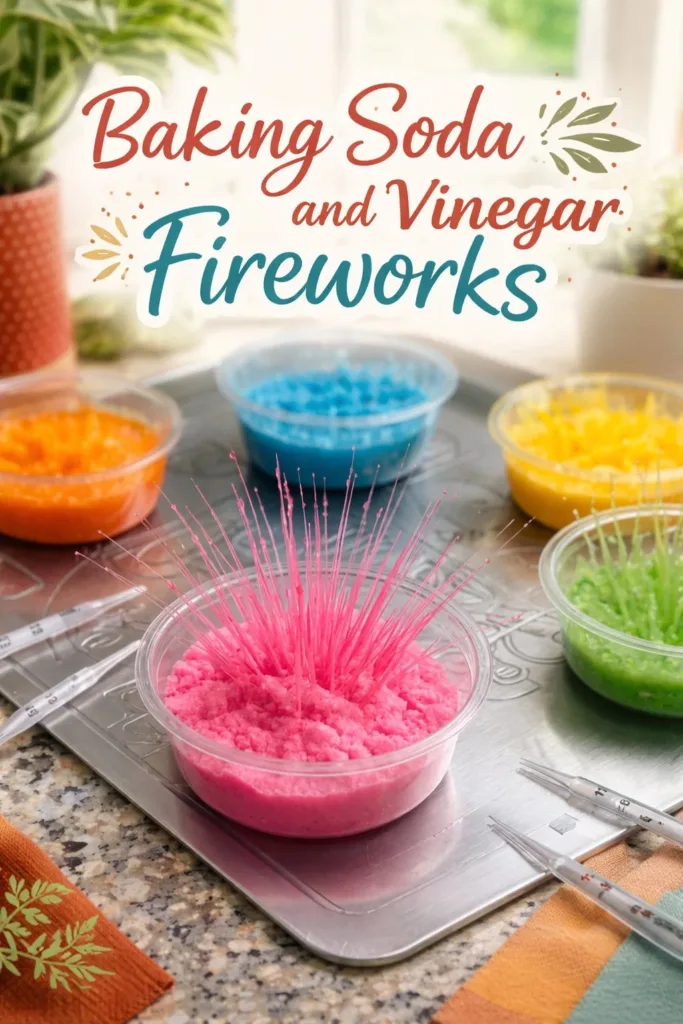
The small glass jar warms slightly under my palm as I tilt it, watching a slow ripple of color unfurl where vinegar meets a mound of baking soda. Tiny fizzing beads lift and burst, sending gentle arcs and soft pops. The kitchen smells faintly of tart vinegar and clean baking soda, and I breathe in, steadying my hands before the next pour. This moment of quiet attention, making Baking Soda and Vinegar Fireworks, feels like a small ritual I return to when I want to slow down and notice texture, sound, and light. I often write about these moments on the site, and if you want a step-by-step version for later reference you might like this guide to Baking Soda and Vinegar Fireworks.
Why Baking Soda and Vinegar Fireworks Feels Comforting to Create
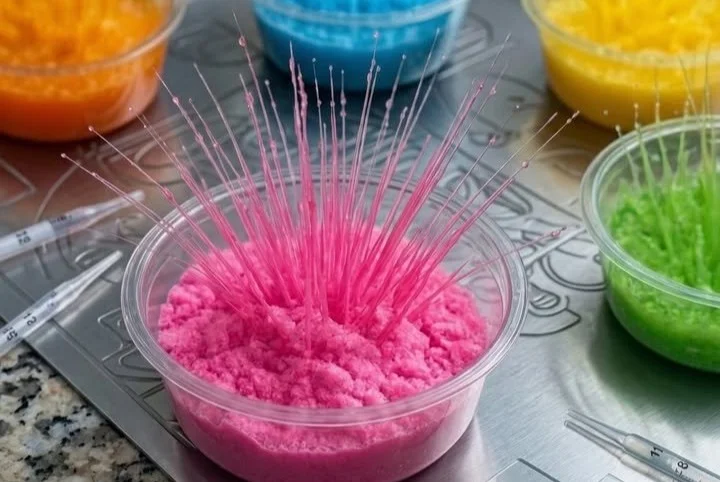
This activity asks nothing grand of you. It asks that you watch, pour, and listen. The reaction between baking soda and vinegar gives a visible, audible response to a small, careful action. That immediacy comforts many of us.
When the fizz rises, the sound feels like rain on a tin roof—brief and bright. The bubbles form lacy textures and then pop, leaving a quiet surface. Watching those small changes invites a slow rhythm. You can move at the pace you choose. You can pause between pours and notice how the light catches the beads or how the scent shifts from sharp to faint.
I find the tactile mix of powder and liquid grounding. Rubbing a pinch of baking soda between my fingers gives a fine, soft grit. Dragging the tip of a dropper through colored vinegar creates streaks that remind me of wet paint. These textures anchor attention in a gentle, sensory way.
Beyond sensation, this project frames curiosity as comfort. You see cause and effect with your own hands. That kind of visible, friendly science eases the mind. If you have a quiet shelf or a small tray to hold your little explosions, this ritual can fold into a slow afternoon routine, a pause between tasks, or a mindful play moment with a child. If you want to explore more colorful variations, I like the way others have photographed dramatic pours in a slightly different method such as the colorful reaction in this post on Colorful Baking Soda and Vinegar Reaction.
How This DIY Comes Together
This project flows like a simple conversation between two things. One part feels solid and quiet. The other arrives liquid and energetic. The meeting creates motion and sound.
You will move slowly to measure, scoop, and drip. The dry baking soda feels cool and powdery. The vinegar moves with a soft, liquid whisper as it slides from a bottle or dropper. If you add color, you will watch it bloom and disperse, sometimes in feathery streaks, sometimes in concentrated dots that trail outward.
I like to think of setting up as setting a small stage. A shallow tray keeps spills contained. Small glass jars or clear bowls let you see the shapes as they form. Droppers or pipettes let you control the pace. The process keeps a patient, attentive tempo. You pour, you wait, you breathe, you notice.
I have learned that a slow pour yields delicate filigree of bubbles while a quicker pour makes a more dramatic plume. Both feel satisfying. If you want to try a slightly different setup with layered colors and controlled drips, this variation shows another way to arrange and guide the reaction in a jar on Colorful Baking Soda and Vinegar Reaction.
Materials You’ll Need
- Baking soda (one to two tablespoons per small jar) — easy to find
- White vinegar (plain or lightly diluted) — substitute-friendly with apple cider vinegar in a pinch
- Small glass jars, clear cups, or shallow dishes — see notes below
- Food coloring or liquid watercolors (optional) — a little goes a long way
- Droppers, plastic pipettes, or small spoons — for controlled pours
- A shallow tray or washable surface to catch spills — helpful for calming cleanup
- Measuring spoons (optional) — for consistent results
- A paper towel or small cloth for gentle drying
These items stay simple and familiar. I often use small jelly jars I already have on the shelf. Glass helps you watch the movement clearly, but sturdy plastic containers work too if you prefer. If you want ornaments or keepsakes from the same materials later, you might look into making colorful cloud ornaments with baking soda as in this cozy tutorial: baking soda colorful cloud ornaments.
Step-by-Step Directions
-
Choose a calm space and set your tray or shallow dish on a flat surface. Arrange jars with a gentle distance between them.
Take a slow breath and feel the table beneath your palms. -
Add baking soda to each jar. Use a small scoop or measuring spoon.
Notice the soft, powdery texture and how it settles like pale snow. -
If you want color, add one or two drops of food coloring to the baking soda.
The color stays mostly concentrated until the vinegar arrives. -
Fill a squeeze bottle or cup with vinegar. If you like, tint the vinegar with a drop of color.
Watch as the liquid glows slightly different from the clear vinegar. -
Use a dropper to place a small amount of vinegar on the baking soda.
Listen for the gentle fizz. Let the bubbles form and watch the color diffuse. -
Try a steady, thin stream for lace-like foam, or a small pour for single bursts.
Adjust the rhythm and notice the different textures of the reaction. -
Pause between pours. Use that quiet to breathe and observe.
The silence between fizzing feels as important as the fizz itself. -
If the foam spills, let it settle and then wipe gently with a soft cloth.
Clean-up can become another calming step rather than a chore. -
Experiment with layered colors by adding one color, letting it fizz, then adding another.
The interactions create marbled trails and soft, surprising mixes. -
When you finish, pour the used mixture into the sink with running water.
Rinse jars and tools, and feel the smooth, clean surface again.
Each step invites slow attention. The simple science at the heart of the activity feels honest and accessible: baking soda acts as a base and reacts with the acid in vinegar to release carbon dioxide gas. That escaping gas forms bubbles and lifts colored liquid, creating the playful fireworks you see. I find explaining this gently to curious children or nervous adults helps remove mystery and adds quiet confidence to the experience.
Bringing Baking Soda and Vinegar Fireworks Into Your Space
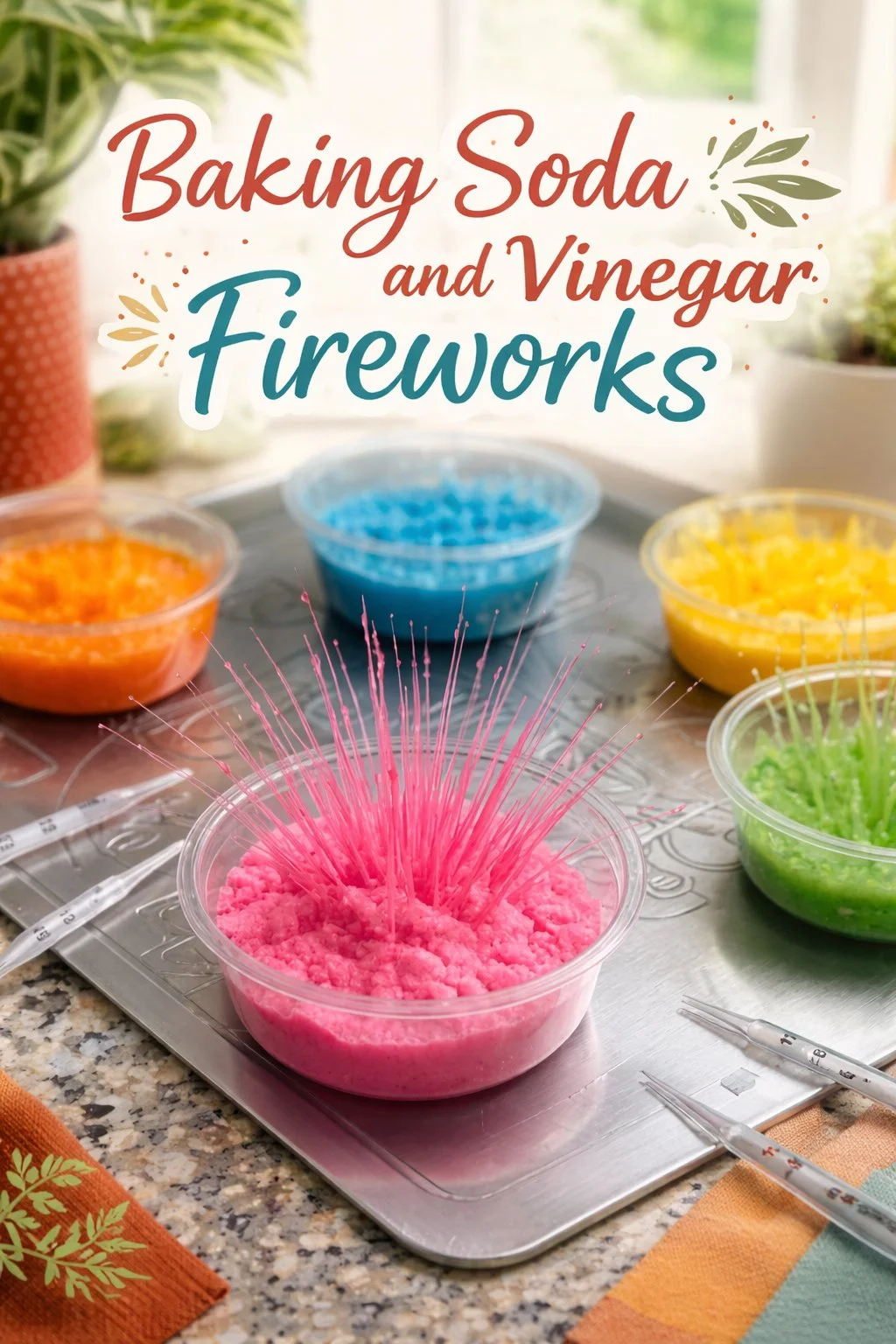
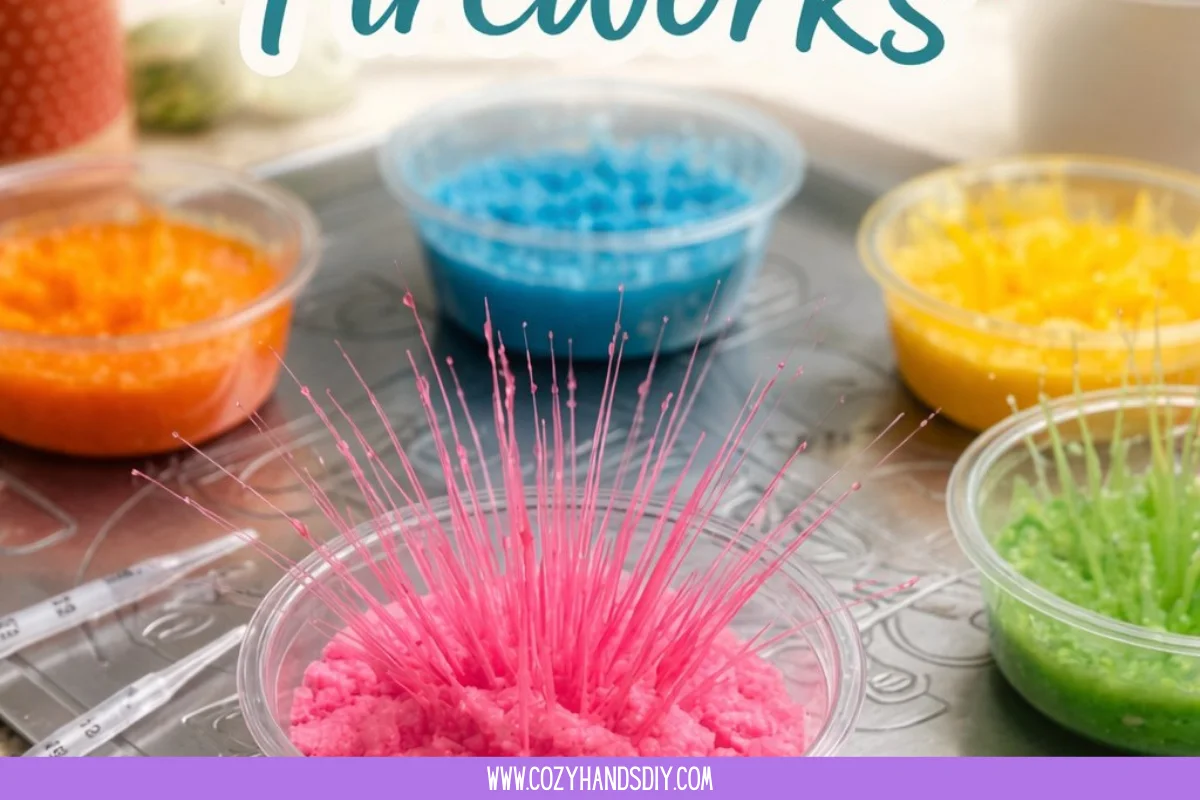
Once you have tried the reaction a few times, you begin to imagine soft places to enjoy it. A low coffee table becomes a stage for small jars that glow when light falls through them. A window sill catches the fizz in side light and highlights the drifting trails of color.
You can make a mindful pause by creating a tiny tray of jars and leaving it on a bedside table for a short, solo ritual before sleep. The small, repeating sound of fizzing can settle a busy mind. If you live with others, set a tray in a shared room and invite someone to join you. The act of watching together encourages quiet conversation and gentle curiosity.
I like to arrange jars by color or by how much baking soda they hold, creating a soft progression that feels pleasing to the eye. Displaying the jars on a simple wooden board or a linen mat brings warmth and texture. If you plan to use the jars as an occasional sensory station, keep a small box of droppers and a tiny bottle of vinegar nearby. For a short-lived decorative display, you can let one dramatic pour act as a focal point, then tidy away when you are finished.
For a playful touch, place a small mirror behind a row of jars. The mirror doubles the effect and makes the tiny explosions look like a slow-moving celebration. I often do this when I want a slightly more magical feel without adding more mess.
Keeping It for Later
The reaction itself does not last. The fizzing calms within minutes. That impermanence matters; it lends the activity a quiet quality. You cannot keep the foam, and you will not preserve the exact moment. You can, however, keep tools and supplies ready for the next session.
Store unused baking soda in a dry container in the pantry. Keep food coloring in a small box or drawer. Place droppers in a jar with the opening up so they stay clean and easy to reach. If you like a ready-made station, tuck everything into a small wooden tray and store it on a low shelf.
If you mix baking soda and vinegar together and leave them, the two neutralize and become a watery solution. That water is safe to pour down the drain. I rinse jars with warm water and a gentle soap, then dry them on a soft towel. For longer storage of mixed supplies, keep liquids sealed and powders dry. This habit prevents surprises and keeps the ritual smooth.
If you want to keep a visual memory, take a quick photo while the bubbles still glow. The images often remind me of why I return to this simple making practice. You cannot preserve the audio, but you can keep the memory of sound by noting how it felt to hear the fizz in a quiet room.
Gentle Tips & Variations
- Invite a slow partner: Ask a friend or child to meet you with a single jar each. Take turns adding a drop and watching the response. Let their pace shape your own.
- Try different vessel shapes: Tall narrow jars produce taller streams, while wide shallow dishes create broader, softer foam. Explore what each shape does.
- Use natural color options: A few drops of beet juice or diluted turmeric make soft, earthy tones. These options feel gentle on the senses and reduce the worry about staining.
- Add texture with citrus: A tiny squeeze of orange or lemon juice mixed with vinegar gives a brighter scent and a slightly sharper reaction. Use this when you want a livelier moment.
- Turn it into a story prompt: As each jar fizzes, imagine a small scene, like waves gently lapping a shore. The story invites presence and playful creativity.
Treat these ideas as invitations. Small changes produce different sensory responses, and you can choose what feels right each time.
FAQs About Baking Soda and Vinegar Fireworks
Q: Will the vinegar stain my table or clothes?
A: Vinegar itself usually does not stain, but food coloring can. I recommend a tray and a washable surface to prevent worry. Wear a smock or old shirt if you plan to use bright colors.
Q: Can I use other acids besides vinegar?
A: Yes. Citrus juice works in a milder, warmer way. It gives a softer scent and a slightly gentler reaction. You will notice different bubble textures with different acids.
Q: Is this safe for young children?
A: With supervision, yes. Use small amounts and keep droppers and glass jars out of reach of very young children. Plastic cups and squeezable bottles reduce breakage risk. I always sit nearby and describe what I will do before each step to keep things calm.
Q: Can I make the reaction last longer?
A: You can pace the activity for longer by using smaller pours and pausing often. Try multiple jars set up in a row for a longer meditative sequence. The chemical reaction itself happens quickly, so stretching the time depends on your rhythm.
Q: What if I want less mess?
A: Work over a tray, use fewer colors, and choose narrow vessels that control splatter. Keep a damp cloth at hand for quick wiping. Each small step toward tidiness helps the experience feel gentle rather than frantic.
A Gentle Note Before You Go
I like to end a session by placing the clean jars back on their mat and taking one last look at how light plays across the empty glass. That pause ties the experience together. Making Baking Soda and Vinegar Fireworks lets you practice noticing small changes and caring for simple materials. You do not need perfect precision. You need steady attention and a mood of curiosity.
If you try variations, consider keeping a small notebook to jot down what surprised you. A note about color blends, or how a particular pour sounded, turns the quiet making into a slow conversation with your hands. The finished result does not have to be grand. The calm you cultivate along the way becomes the most meaningful part.
Conclusion
If you would like a clear, child-friendly explanation with photos and simple steps, this resource offers a gentle science-backed walkthrough of Baking Soda and Vinegar Fireworks – Measuring Chemical Reactions that complements the mindful making described here.
For another take that focuses on the visual burst inside a jar and a slightly different technique, this tutorial gives practical tips and creative ideas in How to Make Fireworks in a Jar – One Time Through.
Enjoy the quiet fizz, and return to this small ritual whenever you want a moment of gentle curiosity.
PrintBaking Soda and Vinegar Fireworks

A simple and comforting science experiment that creates colorful fizzing fireworks using baking soda and vinegar.
- Prep Time: 10 minutes
- Cook Time: 0 minutes
- Total Time: 10 minutes
- Yield: Multiple jars
- Category: Science Experiment
- Method: Mixing
- Cuisine: Sensory Play
- Diet: N/A
Ingredients
- Baking soda (1-2 tablespoons per jar)
- White vinegar (plain or diluted, optional food coloring)
- Small glass jars, clear cups, or shallow dishes
- Food coloring or liquid watercolors (optional)
- Droppers, pipettes, or small spoons
- A shallow tray or washable surface to catch spills
- Measuring spoons (optional)
- A paper towel or small cloth for drying
Instructions
- Choose a calm space and set your tray or shallow dish on a flat surface. Arrange jars with a gentle distance between them.
- Take a slow breath and feel the table beneath your palms.
- Add baking soda to each jar using a small scoop or measuring spoon.
- Notice the soft, powdery texture as it settles like pale snow.
- If you want color, add one or two drops of food coloring to the baking soda.
- Fill a squeeze bottle or cup with vinegar and tint it, if desired.
- Use a dropper to place a small amount of vinegar on the baking soda.
- Listen for the fizzing sound and observe the reaction.
- Try a steady, thin stream of vinegar for lace-like foam, or a small pour for bursts.
- Pause between pours to breathe and observe the changes.
- If foam spills, let it settle and gently wipe with a soft cloth.
- Experiment with adding multiple colors for layered reactions.
- When finished, pour the mixture down the sink and rinse jars with warm water.
Notes
This activity can be enjoyed individually or with others. It’s an opportunity for gentle exploration and can be combined with storytelling or creativity.