

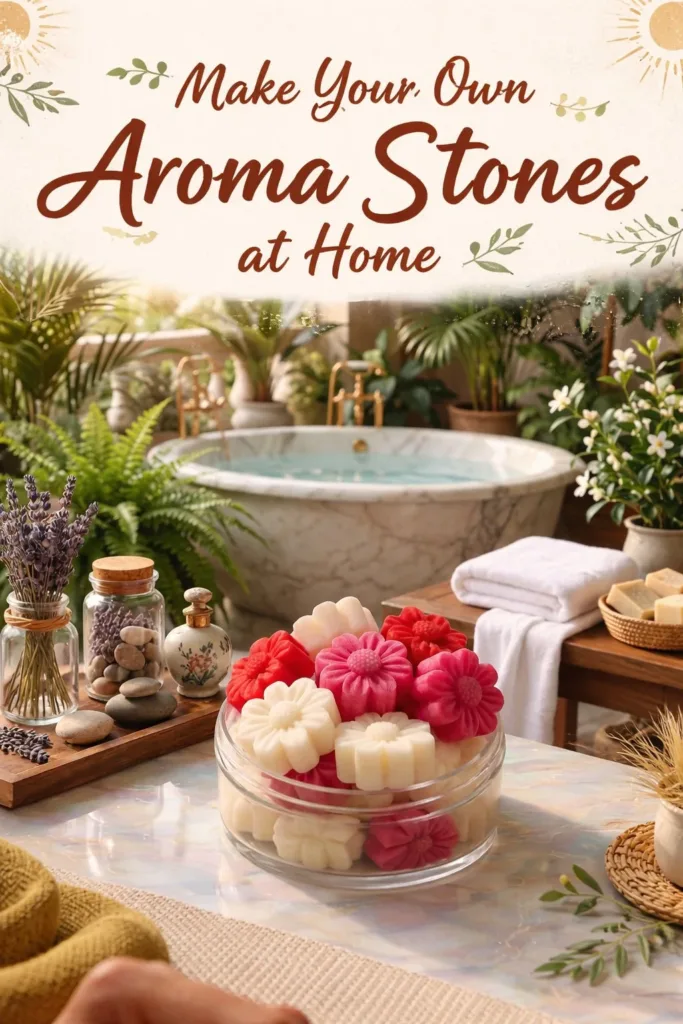
A soft light falls across my work table as I press a spoon into cool plaster and breathe in a faint mineral note. The small warmth of the bowl under my hands and the slow rhythm of mixing help me settle. Making Make Your Own Aroma Stones at Home has become a gentle pause in my day, a few measured gestures that return my attention to texture and scent. I learned to welcome that quiet by trying other small, mindful projects like our pink bioplastic suncatchers, which taught me how slow layers and soft light shape a calm craft moment.
Why Make This Make Your Own Aroma Stones at Home
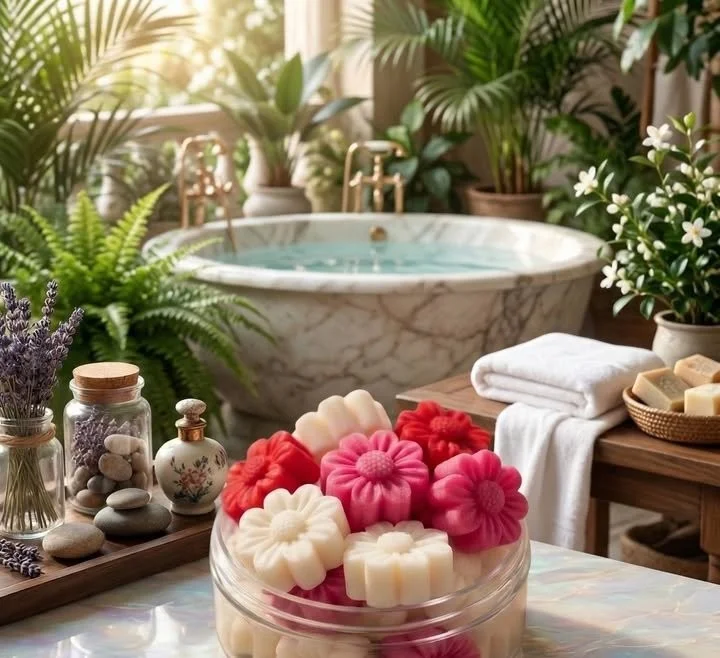
Aroma stones sit between a crafted object and a soft ritual. They absorb essential oils and slowly release scent without heat or flame. That makes them a gentle way to bring fragrance into small spaces like a bedside table, a drawer, or a quiet corner of a living room. The act of making them asks for a slow hand and patient eyes. You stir, press, and wait. You notice the change from fine white powder to smooth paste. You let the quiet sit there while the stone cures.
I find that the textures and small decisions in this project foster calm. Mixing gives a cool, slightly gritty feel on your fingertips. Pouring into molds creates a satisfying hush as the paste settles. When a stone dries, it lightens and feels slightly chalky and warm under your palm. These tiny, tactile moments help slow thoughts and invite presence.
Making aroma stones also fits into a mindful home life. They give control over scent in a safe way. If you prefer no flames or electrical diffusers, an aroma stone offers a safe, low-energy alternative. For times when I want nostalgia, I choose chamomile and a soft vanilla. When I need clarity, I reach for rosemary and lemon. If you enjoy other simple projects, try pairing this with the same calm rhythm you used for our pink bioplastic suncatchers project to extend that gentle practice into scent.
A Gentle Look at the Process
This craft moves in quiet steps rather than a rush of tasks. First you gather dry powder and water. Then you blend until the texture turns from dusty to thick and almost creamy. You choose a mold and press the mixture into shape with slow, even pressure. After a patient wait the stone dries and tightens. Finally you add scent in small drops and let the micro-pores of the material hold that fragrance.
Listen for the small sounds. The soft clink of a spoon in a bowl. The faint sigh as plaster meets water. The smooth gliding when you press the surface with a fingertip. These sounds and sensations make the project feel like a slow ritual. If you like other gentle experiments in texture, you might remember how the jelly-like beads felt while making popping boba, or how crystalline surfaces formed in a different recipe. Each activity teaches attention to tiny shifts.
The process also lets you adjust with ease. If the mix feels too wet, you add a whisper more powder. If it dries too quick, you cover it with a damp cloth for a while. These small interventions keep the making calm and adaptable.
Materials You’ll Need
- Plaster of Paris or white clay powder, easy to find at craft stores
- Water, measured gently for consistent texture
- Small mixing bowl, ceramic or glass works well
- Spoon or spatula, smooth edge helps with folding
- Silicone molds or small ramekins, optional and substitute-friendly
- Essential oils of your choice, pure and skin-safe if you plan to touch them
- Measuring spoons, for simple proportions
- Fine sandpaper or nail file, for smoothing edges after drying
- Small scale or cups, optional but helpful for repeatable results
- Plastic wrap or damp cloth, to protect drying pieces
- Gloves, optional for less cleanup and extra reassurance
- Small tray or rack, for drying in a calm place
You can adapt these supplies easily. If you do not have silicone molds, use a shallow dish and cut shapes later. Some makers favor white clay powder for a softer finish. Both plaster and clay absorb oils well. If you want more visual texture, mix in a pinch of mica powder or powdered herbs. For more depth, see my notes on similar projects like rainbow crystals to revisit how small additives change texture and look.
Step-by-Step Directions
- Prepare your space and materials. Lay a towel or paper down and gather bowl, spoon, molds, and oils. Breathe in slowly and notice the cool bowl under your palm.
- Measure 1 part powder into the bowl and 0.5 parts water. Stir gently. Watch the dust settle and the mixture thicken.
- Fold the mixture until it holds together like soft dough. Pause when it feels smooth and slightly tacky to the touch.
- Press a small amount into your chosen mold. Use even pressure so the surface becomes smooth and the mix reaches every corner.
- Tap the mold lightly to release trapped air. Listen for a small, hollow sound as bubbles rise and settle.
- Smooth the top with the spoon edge or a moistened finger. Keep movements slow and deliberate to avoid new air pockets.
- Cover the molds with a damp cloth and let them rest for 24 to 48 hours, depending on size. Check with a fingertip; they should feel firm and warm, not soft.
- Gently pop the stones out of the mold. If edges feel rough, file them lightly with sandpaper until they are smooth and pleasant under your fingers.
- Add scent by placing 3 to 5 drops of essential oil on each stone. Allow the oil to absorb slowly. If the scent is too strong, wipe gently with a tissue.
- Let the stones cure for another 24 hours on a tray in a dry place. The scent will mellow as the stone settles into its final state.
- Test a small stone in a chosen spot. Place it on a saucer, in a drawer, or at the foot of your pillow to begin enjoying the gentle scent release.
- Repeat and adjust proportions for your next batch, noting the feel and finish you prefer.
These steps keep the making calm and manageable. I often spread the work over two evenings. The waiting becomes part of the ritual. I tidy up slowly between steps, letting the room keep the quiet.
Using Make Your Own Aroma Stones at Home in Everyday Life
{image_template}
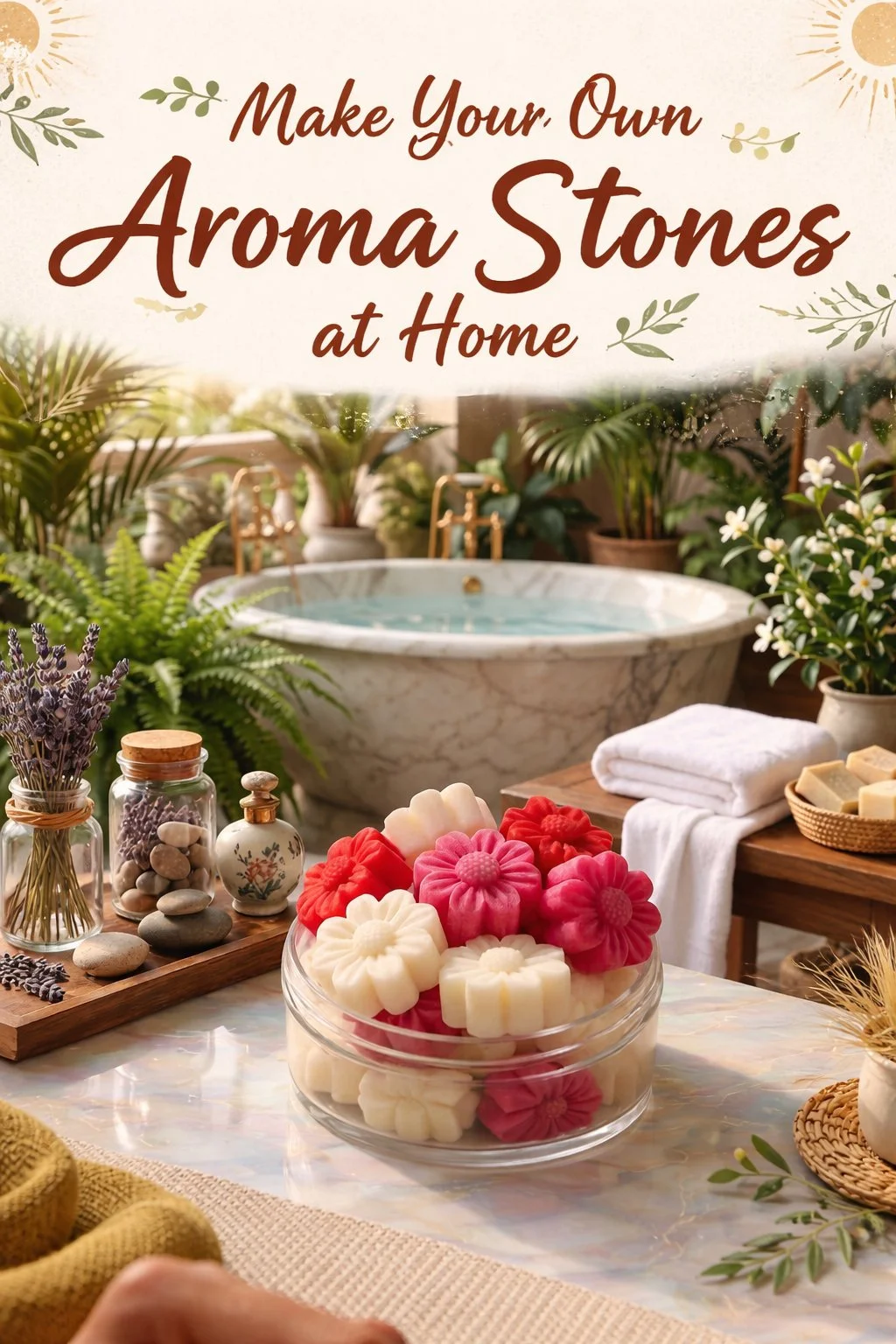
Aroma stones move easily from one place to another in the home. I keep a small dish of them on my nightstand and another in a linen drawer. The scent there lasts for weeks, one soft breath at a time. Use them in a tiny ceramic dish on a bathroom shelf. Place one in a shoebox before storage for gentle freshness. For travel, tuck one in a zip bag with your scarf.
These stones make thoughtful, personal gifts. Press a tiny pressed flower into the top before it dries for a visual memory. Wrap a set in tissue and tie with twine for a slow unwrapping moment. When using them in a shared space, choose neutral, low-intensity scents like orange peel or lavender to keep things polite and calming.
You can also pair aroma stones with other grounding rituals. Place one beside a tea cup during a quiet reading hour. Sit with the scent for a few slow breaths and notice what it brings up. If you use a favorite oil each evening, the scent will begin to anchor a restful routine.
Making This DIY Last
Store your stones in a dry, ventilated place. Avoid sealing them in plastic for long periods. The porous surface needs to breathe so the scent can rest and return when you want it to. If a stone loses scent, add a fresh drop or two rather than discarding it.
To refresh a stone, place it on a small ceramic saucer and add 1 to 2 drops of oil. Let it absorb for a few hours. If you want the scent to strengthen slowly over days, add one drop every few days. Store unused stones wrapped in paper to preserve their neutral scent until you need them.
If a stone chips, smooth the edge with sandpaper and keep using it. A small nick does not affect its function. For stones that crumble, consider using the fragments in potpourri or in a small jar with whole spices to make a new blend. This approach keeps waste low and encourages gentle reuse.
Small Ways to Make It Your Own
- Invite color softly. Add a pinch of natural pigment like powdered beetroot or spirulina for a faint, earthy tone.
- Embed a tiny object. Press a small shell or seed into the top before drying to make a memory stone.
- Layer scent. Use a base oil like fractionated coconut and add one drop of a brighter essential oil for complexity and longevity.
- Make mini sets. Mix several stones with different scents and place them in a shallow box so you can switch scents by mood.
- Try gentle stamping. Use a small textured stamp on the surface before the stone sets to add a touch of pattern.
These tips act like small invitations. Try one and see how it changes your feeling about the object. Small changes give you room to explore without stress.
What I’ve Learned While Making This
I learned to trust the feel of the mixture more than exact measurements. A slightly drier mix gives a crisper edge. A more hydrated mix yields a warmer, softer surface. Both feel comforting in the hand and both hold oil well. I found that less oil often works better. Too much changes the final texture and can feel heavy.
I also learned that scent is personal and can be seasonal. Lemon and peppermint feel bright on a humid morning. Cassia and clove bring a slow comfort in colder months. I keep a small notebook by my supplies to jot down what I used and how it made the room feel. That practice helped me become more intentional with scent choices.
Safety matters. I always keep essential oils out of reach of children and pets. I avoid ingestible contact with oils and label stones if they contain any oils that could irritate skin. When I give stones to friends, I include a small note about the oils used so they can enjoy them safely.
FAQs About Make Your Own Aroma Stones at Home
Q: How long do aroma stones keep their scent?
A: A fresh stone will release scent more strongly in the first week and then gently for several weeks. With small refreshes of one or two drops you can keep them fragrant for months.
Q: Can I use any essential oil?
A: Use high quality, pure essential oils that you trust. Avoid oils meant for topical use without dilution if you plan to place the stone near skin. If you or loved ones have sensitivities, choose mild oils like chamomile or sweet orange.
Q: Are aroma stones safe around pets?
A: Some essential oils can affect pets. Keep stones out of reach of animals and choose pet-safe oils. When in doubt, place stones in higher, pet-free areas or omit scent entirely for shared spaces.
Q: Can I color the stones?
A: Yes. Small amounts of natural powders or mica create subtle color. Use tiny amounts so the stone stays absorbent and does not repel oils.
Q: What if my stone cracks while drying?
A: Small hairline cracks often do not affect use. For larger breaks, press the clean fragments together with a little fresh mix as a mild adhesive, or consider using the pieces in a jar with other botanicals to create potpourri.
Final Reflections on Making Make Your Own Aroma Stones at Home
The making matters as much as the stone itself. The slow mixing, patient waiting, and soft smoothing all teach a gentle form of attention. Each stone becomes a tiny keeper of a moment you chose to slow down. Place one in a chosen spot and let it ask for nothing more than a few breaths of notice.
Trust your hands and your sense of calm. This project welcomes small mistakes and quiet experiments. Keep the work simple, enjoy the textures, and let scent become another layer of home softness. If your day needs a soft pause, these small stones can hold that intention for you.
Conclusion
For a different take on shaping gentle scent items you might enjoy this thoughtful guide to crafting aroma stones with floral notes from Rosemary And Pines, which offers lovely photos and variations for visual inspiration: DIY Aroma Stones – Rosemary And Pines Fiber Arts. If you would like another step by step perspective with straightforward proportions and practical tips, this clear walkthrough provides helpful images and timing suggestions: How to Make DIY Aroma Stones – Everything Pretty.
PrintMake Your Own Aroma Stones at Home
A calming DIY project to create aroma stones that absorb and slowly release scents without heat or flame.
- Prep Time: 15 minutes
- Cook Time: 25 minutes
- Total Time: 40 minutes
- Yield: Several aroma stones
- Category: Craft
- Method: Mixing and Molding
- Cuisine: N/A
- Diet: N/A
Ingredients
- Plaster of Paris or white clay powder
- Water
- Small mixing bowl
- Spoon or spatula
- Silicone molds or small ramekins
- Essential oils of your choice
- Measuring spoons
- Fine sandpaper or nail file
- Small scale or cups
- Plastic wrap or damp cloth
- Gloves (optional)
- Small tray or rack
Instructions
- Prepare your space and materials by laying a towel or paper down and gathering bowl, spoon, molds, and oils.
- Measure 1 part powder into the bowl and 0.5 parts water. Stir gently.
- Fold the mixture until it holds together like soft dough.
- Press a small amount into your chosen mold.
- Tap the mold lightly to release trapped air.
- Smooth the top with the spoon edge or a moistened finger.
- Cover the molds with a damp cloth and let them rest for 24 to 48 hours.
- Gently pop the stones out of the mold and file edges if rough.
- Add scent by placing 3 to 5 drops of essential oil on each stone.
- Let the stones cure for another 24 hours on a tray in a dry place.
- Test a small stone in a chosen spot and enjoy the scent release.
Notes
Aroma stones are a gentle way to bring fragrance into small spaces. Adjust proportions as needed for personal preference.