

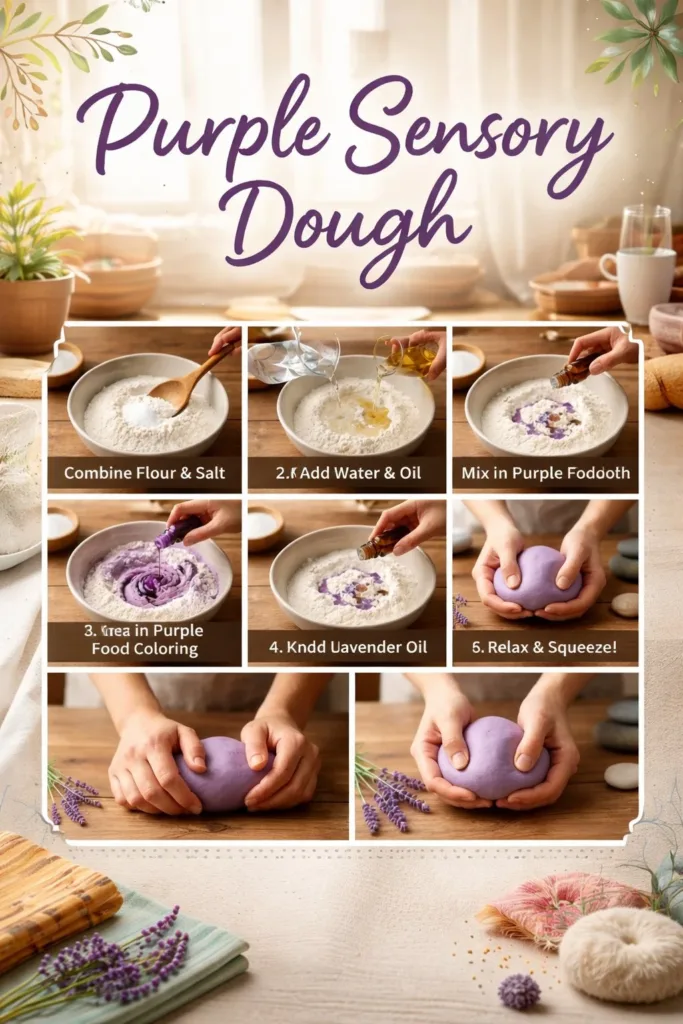
A soft bowl of violet dough waits on the table, its surface dimpled by my thumb and smelling faintly of lavender and a hint of citrus. The clay gives in a slow, pleasing way when I press, and the light from the window pools in the tiny folds. Making Purple Sensory Dough invites that quiet attention. It asks only for gentle hands and a few simple breaths, and it returns a soothing weight, a cool texture, and a small, steady rhythm to hold onto.
Why Purple Sensory Dough Feels Comforting to Create
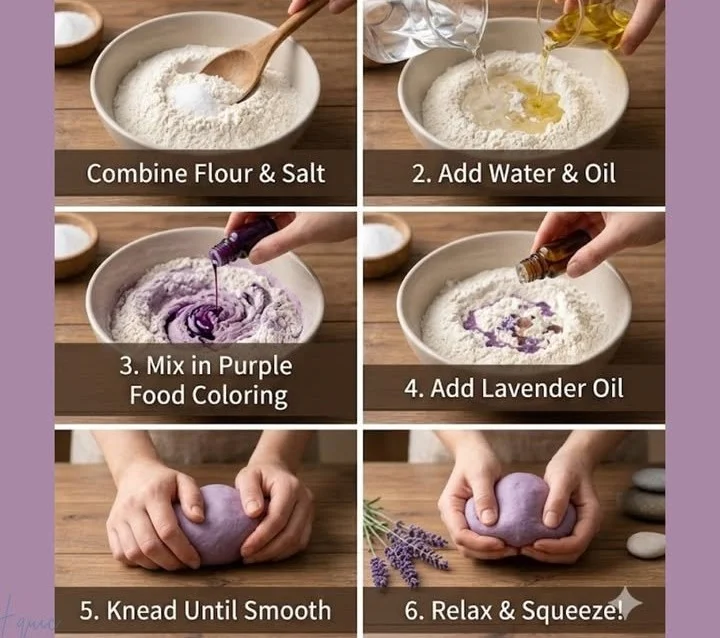
There is something about working with a single, tactile material that slows the mind. Purple Sensory Dough has a soft give and a slight resistance that responds to each movement. Kneading warms it, pinching creates tiny peaks, and rolling it makes a low, steady sound against the table. These sensations encourage presence.
When I make this dough, I notice how my shoulders drop and my breathing finds a calmer cadence. The color matters too. A gentle purple reads as restful and playful at once. It invites a slower touch rather than hurried manipulation. This dough works well within blocks of time where you want to be grounded but also free to explore small textures.
The sensory nature of this dough supports many moods. I use it when I want to feel steady before work. I place a small ball near my bedside when I need a mindful pause before sleep. You might find it helps during a noisy afternoon, or while watching a quiet film. Its value lies in those gentle, repeated gestures that bring the body back to now.
I sometimes set the dough next to a cup of warm tea and a book. That small scene makes the making feel less about producing and more about resting with craft.
Try this other lavender play dough idea too if you like floral notes or want to compare textures.
A Gentle Look at the Process
Before you gather supplies, imagine the flow. You will measure, mix, knead, and rest. Each of these steps moves at a calm pace. Measuring takes a breath. Mixing creates a soft, grainy paste. Kneading smooths the surface and brings the ingredients together.
Listen for the subtle sounds. Water bubbling as it warms, the low scrape of a spoon, the muted slap of dough meeting wood. Watch the dough change. It starts chalky if you use cornstarch, or slightly sticky with conditioner. As you work it, it becomes cohesive, pliable, and smooth. The color deepens when pigment meets moisture.
I like to work on a cool surface so the dough stays firm as I knead. My hands warm it slowly, which allows me to notice small changes in elasticity. If you are making this with a child, invite them to make the first indent, then the second. Let the pace be theirs. This process does not rush.
You might also explore a nearby recipe for a different feel, like the airy texture of a bubble dough. A simple read can broaden your sense of possibilities if you want a lighter, crumbly feel later on.
I like this cornstarch bubble dough for airy play as a companion project.
Materials You’ll Need
- 1 cup of plain white flour (easy to find)
- 1 cup of table salt (acts as a preservative)
- 2 tablespoons cream of tartar (optional; improves elasticity)
- 1 cup warm water (helps the dough bind)
- 2 tablespoons vegetable oil or coconut oil (adds softness)
- Purple food coloring or powdered pigment (adjust for shade)
- A few drops of essential oil or vanilla extract (optional, use sparingly for scent)
- A mixing bowl and wooden spoon
- A silicone mat or clean work surface
- Airtight container or zip-top bag for storage
- Small cookie cutters or tools for sensory play (optional)
If you prefer a smoother, less floury texture, you can substitute part of the flour with fine cornstarch. That change will make the dough feel silkier and more powdery. If you want a stretchier dough, adding a bit more oil helps. For a slightly firmer dough, a touch more flour will do the trick.
I keep a few extra tools nearby, like a small spray bottle of water to rehydrate a stiff batch, and a little jar of coconut oil to rub on hands if the dough dries them out.
You might like to keep one of your existing calm recipes close by for comparison. This list pairs well with airy or floral dough ideas if you want to build a small sensory collection.
Consider this bubble dough to add light, crumbly contrast when you play.
Step-by-Step Directions
- In a bowl, mix the flour, salt, and cream of tartar. Stir until dry ingredients look even and soft. Notice the fine grain under your spoon.
- Add the warm water, oil, and scent. Stir slowly so the colors begin to bloom. Watch the purple spread like a soft watercolor.
- Continue stirring until a shaggy dough forms. It will feel a little sticky at first and sound faintly as it pulls away from the bowl.
- Turn the dough onto a silicone mat. Press it down with the heel of your hand to bring the mixture together. Feel the warmth build in the center.
- Knead gently for five to eight minutes. Fold, press, and roll. The texture moves from grainy to smooth under your palms.
- If the dough feels too sticky, sprinkle a little flour and fold it in. If it feels dry, add one teaspoon of water and knead slowly. Small adjustments make a big difference.
- When the dough feels soft yet holds its shape, press it flat and check the color. Add more pigment a little at a time for a deeper purple. Knead until the color distributes evenly.
- Let the dough rest for ten minutes. This pause helps the moisture spread and makes the dough easier to shape. Use the time to breathe or set a small song.
- Shape and play slowly. Make small coils, press with tools, or roll a log and cut it into slices. Enjoy the way the surface smooths with each pass.
- When you finish, place the dough in an airtight container. Wipe your work surface and return your tools to their home. The closing action keeps the making calm and tidy.
These steps focus on feeling the dough change. I pay attention to warmth, smoothness, and color saturation. If you make the dough with a child, give them the kneading time and step back as they explore textures. Offer a damp cloth to clean hands when you end.
Bringing Purple Sensory Dough Into Your Space
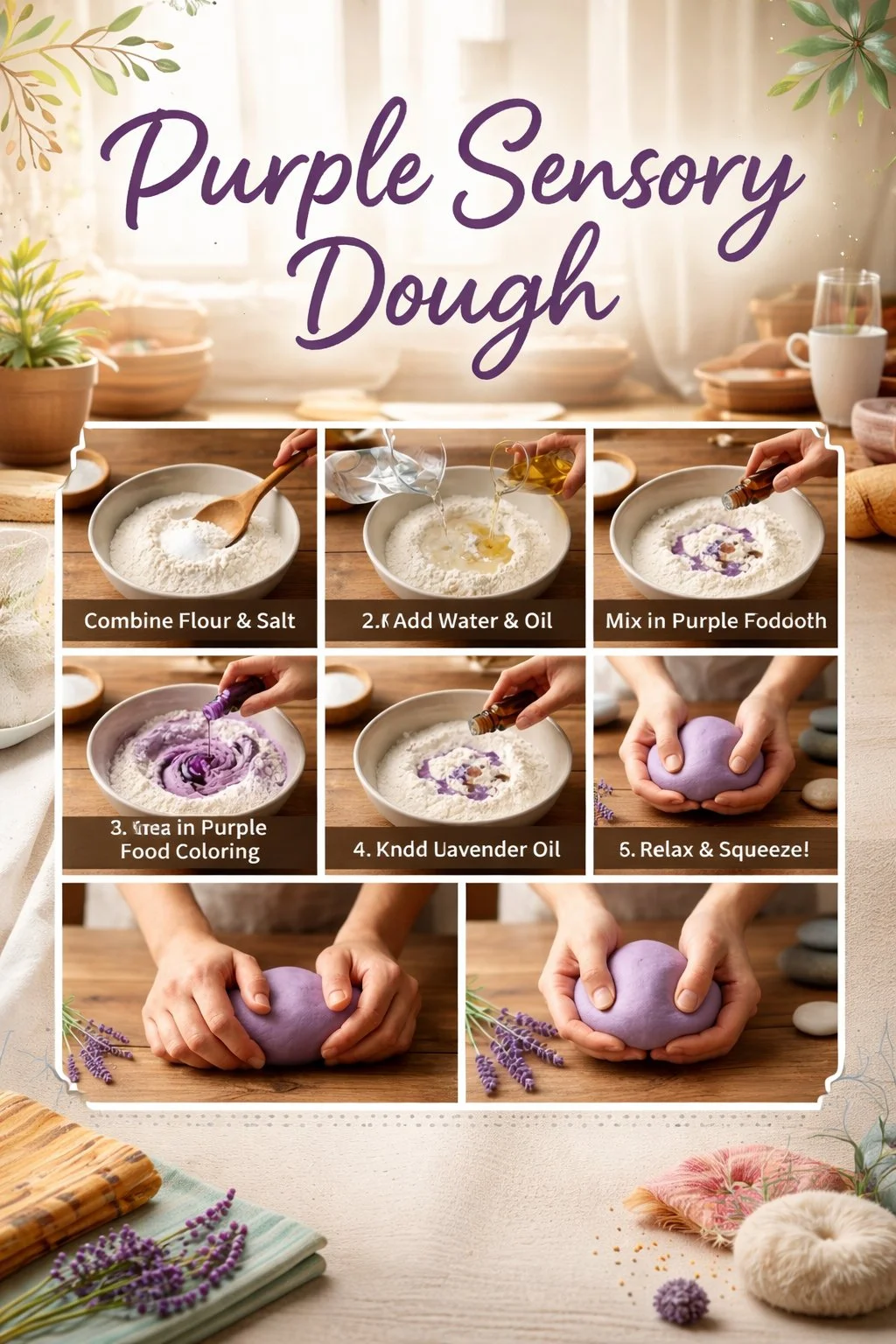
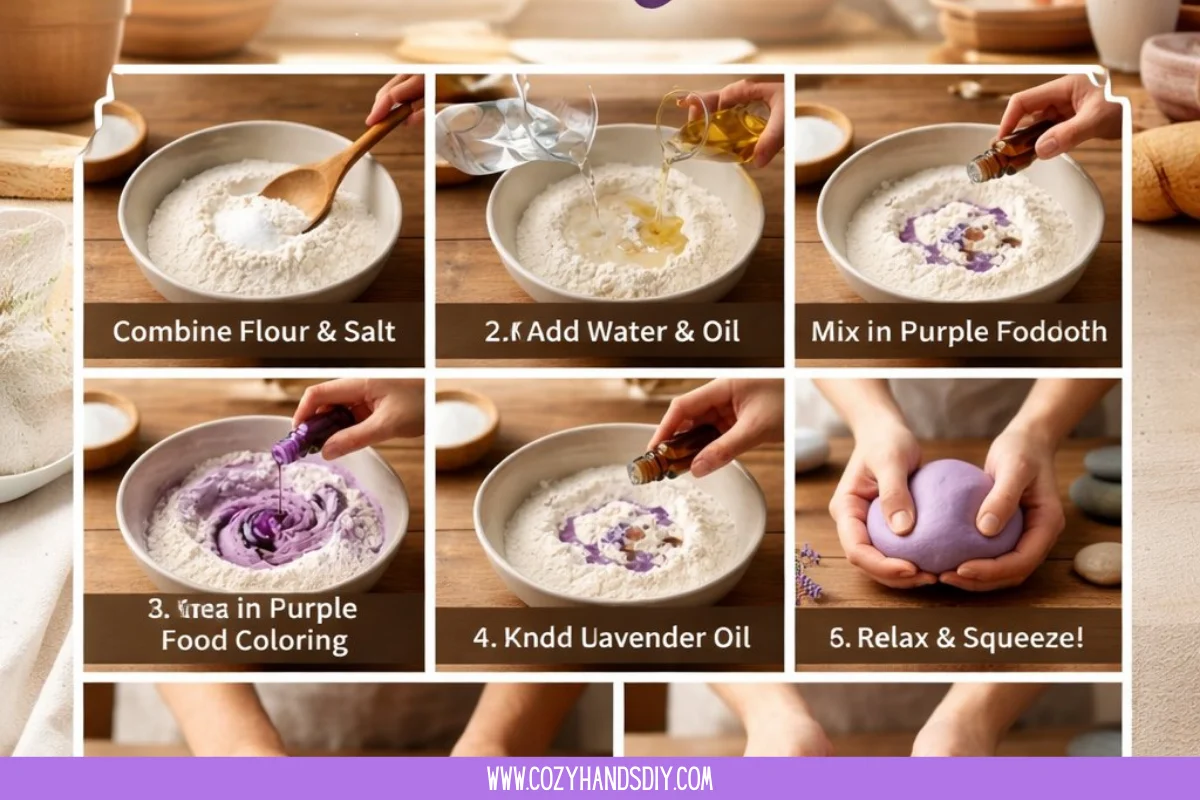
Purple Sensory Dough fits quietly into many corners of the home. You can keep a small jar on a shelf in a play nook, or lay out a dough mat on the coffee table for short, mindful touches. A favorite way to use it is during a late afternoon pause, paired with a cup of tea and soft light.
Set a small tray with the dough and one or two simple tools. Invite family members to spend five minutes pressing and shaping in silence. This often becomes a shared breathing exercise without the pressure to talk. The dough becomes something to return to between tasks.
I like to tuck small balls into a linen bag when I travel. The fabric keeps the dough from drying too quickly and gives the bag a soft scent. When I open it later, that familiar texture calms me. You can also bring the dough to a work desk for a few mindful squeezes during long stretches of focus.
If you plan to use the dough in a classroom or group, prepare several small containers and label them. Encourage hand hygiene before and after play. A clean surface and simple rules keep the space safe and inviting.
For a different sensory palette, pair this purple dough with something light and airy. It creates contrast that highlights the unique feel of each material.
Lavender Cloud Dough makes a lovely companion if you want to alternate textures.
Keeping It for Later
Storing the dough well extends its life and keeps the texture consistent. I place dough in an airtight container, press a sheet of parchment directly onto the surface, and close the lid. This reduces skinning and keeps the outside soft.
If the dough begins to dry, a few drops of water and gentle kneading bring it back. Work small amounts at a time to avoid overhydrating. If the dough gets too soft, fold in a teaspoon of flour and knead to restore firmness.
Label your containers with the date you made them. Most home-made sensory doughs last one to four weeks depending on ingredients and storage temperature. If you notice an off smell, mold, or discoloration, discard the dough and make a fresh batch. It is better to be cautious than to risk irritation.
Keep dough away from small pets and always supervise young children. Salt content acts as a mild preservative but does not make the dough edible. Treat it as a sensory material, not a snack.
I store mine in a cool, dark cupboard. If I plan to keep a batch longer, I split small portions into sealed bags and place them in the refrigerator for a short period. Bring them to room temperature before play for the best feel.
Gentle Tips & Variations
- Invite scent as an option. A drop of lavender or orange oil can add calm. Use essential oils sparingly and avoid them with very young children or anyone sensitive to scents.
- Shift texture with cornstarch. Swap a quarter of the flour for cornstarch for a silkier finish. It changes the mouthfeel so keep it away from small mouths.
- Make it marbled. Add a drop of a second dye color and fold just a few times for a soft swirl. The surface will feel the same, but the look becomes quietly dynamic.
- Add a little shimmer. A pinch of cosmetic-grade mica can add a soft glow without affecting texture. Keep the amount small to preserve tactile calm.
- Use cookie cutters and rolling pins for focused play. Cutting helps with fine motor skills and creates a slow, repeatable rhythm that many find comforting.
These ideas are invitations. You do not need to follow them exactly. The best changes feel like gentle experiments rather than fixes.
What I’ve Learned While Making This
I learned to listen to the dough. In early attempts I chased exact measurements and missed small, sensory cues. Now I watch for warmth and tackiness. I adjust by feel instead of by rule. That change made the process more soothing.
I also learned to keep a tidy space. A calm environment amplifies the calming effect. A small tray, a mat, and a container create boundaries that make the activity feel like a ritual rather than a chore.
Working with others taught me to slow down my own pace. Children often move more gently when I give them room. They take longer to knead, and that extra time helps the dough reach a softer, more responsive texture.
Finally, I learned to name the small wins. When the dough reaches the right smoothness, I pause and feel it between my palms. That acknowledgement helps me stay present and appreciate the making beyond the finished object.
FAQs About Purple Sensory Dough
Q: Is this dough safe for toddlers?
A: This dough is a sensory material and not food. Supervise toddlers closely. If you have a child who mouths objects, wait until they outgrow that stage or use edible play recipes. Check for ingredient allergies before use.
Q: How long does the dough last?
A: In a sealed container at room temperature, expect one to four weeks. Proper sealing and cool storage extend life. Discard if you see mold or smell anything off.
Q: Can I make this scent-free?
A: Yes. A scent-free batch is gentle and safe for sensitive noses. The texture alone offers plenty to explore without added fragrance.
Q: What if the dough cracks or feels dry?
A: Add one teaspoon of water at a time and knead slowly. If it cracks persist, add a little oil to restore pliability. Work in small amounts to avoid over-softening.
Q: Can I color the dough naturally?
A: You can try powdered beet, blueberry, or other dehydrated purees, but they may change smell or spoil more quickly. For longevity, use food coloring or pigment designed for crafts.
A Gentle Note Before You Go
Let your making be slow and intentional. The value of Purple Sensory Dough lies in the pauses and the small motions. Keep a favorite container by a window or a quiet chair and return to it like a small ritual. When you handle the dough, breathe and notice how your hands remember the rhythm. That memory lingers long after the dough goes back into its jar.
If you find a mix that feels just right, save the proportions. If a batch needs a small change, treat it as a tiny experiment. There is no single correct way to make or use this dough. Let it adapt to your needs.
Before you close the lid, take a moment to press the dough with both palms and feel the temperature change. That gentle check can be a brief marker for calm in a busy day.
Conclusion
If you want a ready-made option to keep on hand, consider a refill that matches this sensory approach, like a soft supply from sensory dough refills that come in simple, soothing colors. For a different natural-hued recipe and a playful blueberry variation, see this thoughtful guide to a fruity dough at blueberry dough – a recipe for play.
Thank you for taking this calm moment with purple dough. Keep a small portion close and return to it as often as you need a quiet companion for your hands.
PrintPurple Sensory Dough

A calming, tactile dough made with simple ingredients that promotes mindfulness and creative play.
- Prep Time: 15 minutes
- Cook Time: 0 minutes
- Total Time: 15 minutes
- Yield: 1 batch
- Category: Craft
- Method: Mixing
- Cuisine: N/A
- Diet: N/A
Ingredients
- 1 cup plain white flour
- 1 cup table salt
- 2 tablespoons cream of tartar (optional)
- 1 cup warm water
- 2 tablespoons vegetable oil or coconut oil
- Purple food coloring or powdered pigment
- A few drops of essential oil or vanilla extract (optional)
- A mixing bowl and wooden spoon
- A silicone mat or clean work surface
- Airtight container or zip-top bag for storage
- Small cookie cutters or tools for sensory play (optional)
Instructions
- Mix the flour, salt, and cream of tartar in a bowl until even.
- Add the warm water, oil, and optional scent.
- Stir until a shaggy dough forms.
- Turn the dough onto a silicone mat and press down to combine.
- Knead gently for 5 to 8 minutes until smooth.
- Adjust consistency with flour or water as needed.
- Let the dough rest for 10 minutes.
- Shape and play with the dough, making small coils or using tools.
- Store the dough in an airtight container after use.
Notes
This dough is safe as a sensory material but not edible. Supervise children closely if they are prone to putting objects in their mouths.