

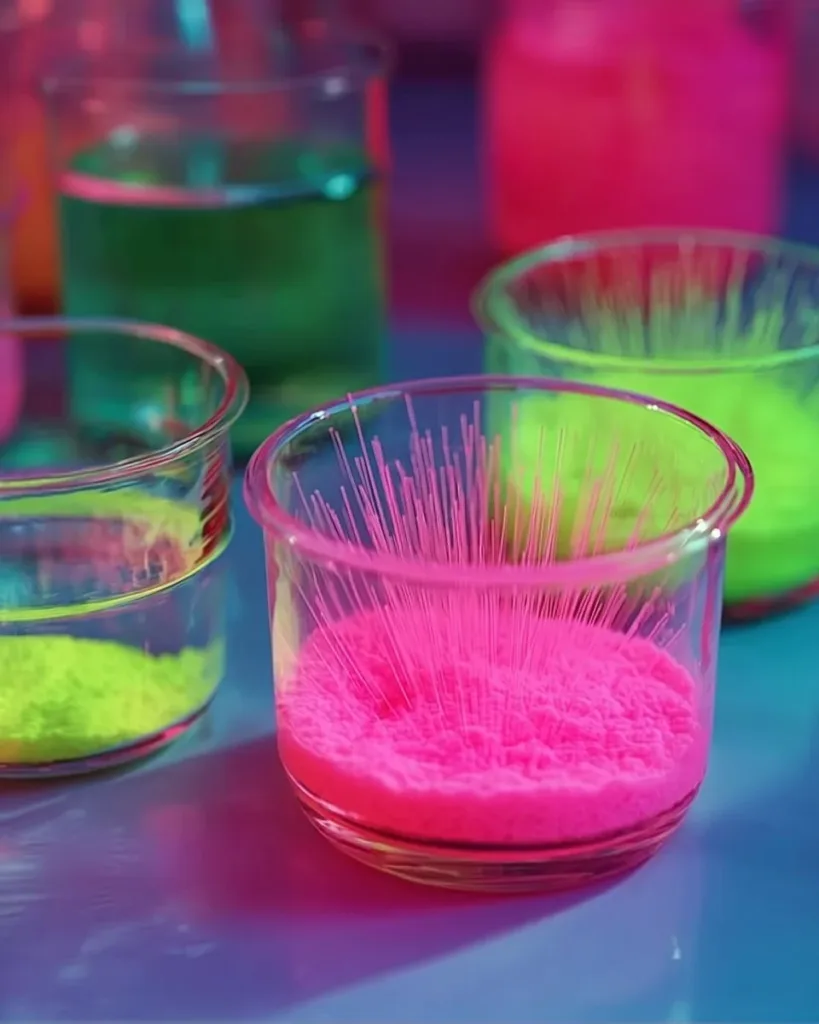
A soft bowl of glass sits on the table, cool against my palms. Tiny pinpricks of light from the window catch on the smooth rim as I scoop powdered baking soda and feel the fine grit fall like soft dust into small wells. The first scent is faintly mineral, then the vinegar brings a bright, clean sting that wakes the room. I call these simple experiments Baking Soda and Vinegar Fireworks because the fizzing rises in quick, joyful bursts, like tiny, wet sparklers that bloom and then dissolve back into quiet. If you have enjoyed other gentle kitchen experiments, you might like this colorful baking soda and vinegar reaction we shared before; it carries the same calm, sensory slow-making that I treasure.
The Quiet Joy of Making Baking Soda and Vinegar Fireworks
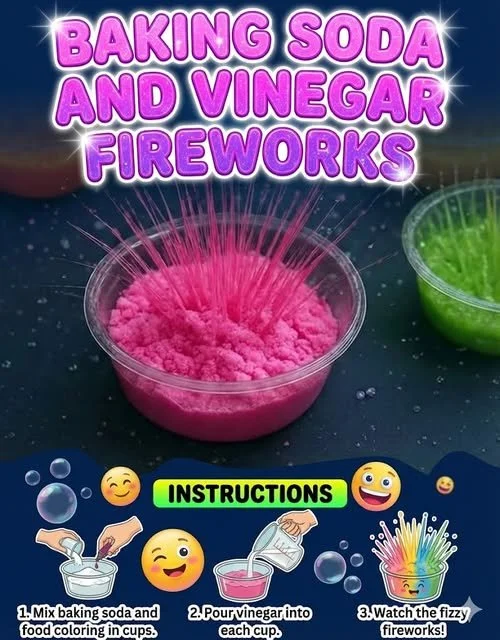
There is a slow, satisfying rhythm to this project. You measure, you mix, you wait, and then a gentle fizz surprises you. Each small eruption asks for attention in the present moment and then returns to stillness. That tiny cycle — prepare, witness, breathe — feels comforting. It asks nothing big of you and gives a little glow of curiosity back.
I often make these with a mug of tea beside me and soft music on low volume. The motion of spooning baking soda and dribbling colored vinegar is tactile and grounding. The fizz sounds like rain in miniature. The way food coloring blooms and unfurls in a pool of liquid has its own slow, painterly grace. It is an invitation to step away from hurry and practice careful, gentle observation.
This activity also sits well in a cozy routine. It fills a quiet afternoon, keeps little hands busy on a rainy day, or acts as a mindful pause between other tasks. If you enjoy exploring slightly longer experiments, try our page about a different colorful reaction for more ideas and sensory notes at colorful baking soda vinegar reaction.
A Gentle Look at the Process
Before you begin, imagine the small actions as a series of soft movements. Scoop a spoonful of baking soda; it feels powdery and cooling. Pour a thin stream of vinegar; it arcs and lands with a quiet splash. Add a drop of color and watch the whiteness transform.
The main event happens because baking soda and vinegar react to release carbon dioxide gas. That gas lifts tiny bubbles through the liquid and creates effervescence that looks lively and celebratory. You can control the pace of the reaction with how much you combine and the concentrations you use. Sometimes I make smaller, slower bursts by using a paste of baking soda and water, then touching it with a thin vinegar stream. Other times I let vinegar pour over a heap of dry baking soda for a quick, bright bloom.
Movement matters. Slow drips make long, lazy foams. Fast pours make quick, dramatic fizz. I like to set up a tray to catch spills and to use clear containers so that the color and motion are part of the show. This gentle preview helps you feel confident, calm, and connected to the work before you touch the materials.
Materials You’ll Need
- Baking soda (sodium bicarbonate) — easy to find
- White vinegar (household vinegar, around 5% acidity) — standard and safe
- Clear jars, glasses, or a shallow tray — clear shows the reaction best
- Small spoons or measuring spoons — for soft, controlled scoops
- Pipettes, droppers, or a small squeeze bottle — optional, for delicate drips
- Food coloring or liquid watercolors — optional, for bright, calm color
- Funnels or paper cones — optional, for playful delivery
- A tray, towel, or tray liner — to keep your space tidy
- Protective apron or washable surface — helpful for little makers
If you want to explore slow crystallization or companion projects later, our cozy instructions for a related crystal-growing activity might inspire you at baking soda crystal growing tree.
Materials are simple by design. I choose a clear jar because watching the rising bubbles feels like watching small clouds form. I choose food coloring for its gentle, transparent tint. Squeeze bottles and pipettes let me move slowly and tune each moment.
STEP-BY-STEP DIRECTIONS
-
Prepare your workspace and containers.
Set a tray or towel on the table to catch spills, and arrange several clear jars or shallow dishes within easy reach.
Have your baking soda in a small bowl and vinegar in measuring cups or a squeeze bottle so you can move smoothly. -
Make small baking soda hills.
Spoon a teaspoon or two of baking soda into the center of each jar or dish, shaping small mounds with a soft fingertip or the back of the spoon.
The powder will feel cool and slightly gritty; this part often feels playful and tactile. -
Add color to the vinegar.
Drop a few drops of food coloring into the vinegar and stir gently to mix; aim for gentle swirls instead of vigorous shaking.
Notice how the color unfurls through the clear liquid, like a watercolor cloud preparing to bloom. -
Create soft fizz with a dropper or pour.
Use a pipette or slowly pour the colored vinegar onto the baking soda hill, watching tiny bubbles form and race up.
If you want a steady, long bloom, drip slowly; if you want a quick spark, pour a little more rapidly. -
Experiment with pacing and placement.
Try touching the vinegar to different sides of the mound, or pour along the rim so bubbles push outward in new directions.
Each place you touch produces a slightly different sound and foam pattern, and those small differences make the project feel alive. -
Clean and reset for another round.
When the fizz subsides, gently spoon out the remaining mixture if you want to try again with fresh baking soda.
Wipe the jars and tray and take a pause; the quiet of cleanup is part of the ritual. -
Try layered colors or delayed bursts.
For layered effects, place a small pellet of baking soda in a cone of tissue or a paper funnel, then drop colored vinegar on top for a delayed release.
You can also mix a thick paste of baking soda and water in one jar, then add vinegar slowly to time the bloom. -
Keep observation gentle and personal.
Sit with the reaction for a moment after each bloom; breathe and notice the little changes in sound, scent, and motion.
These moments of watching are the heart of the calm.
Enjoying the Finished Piece
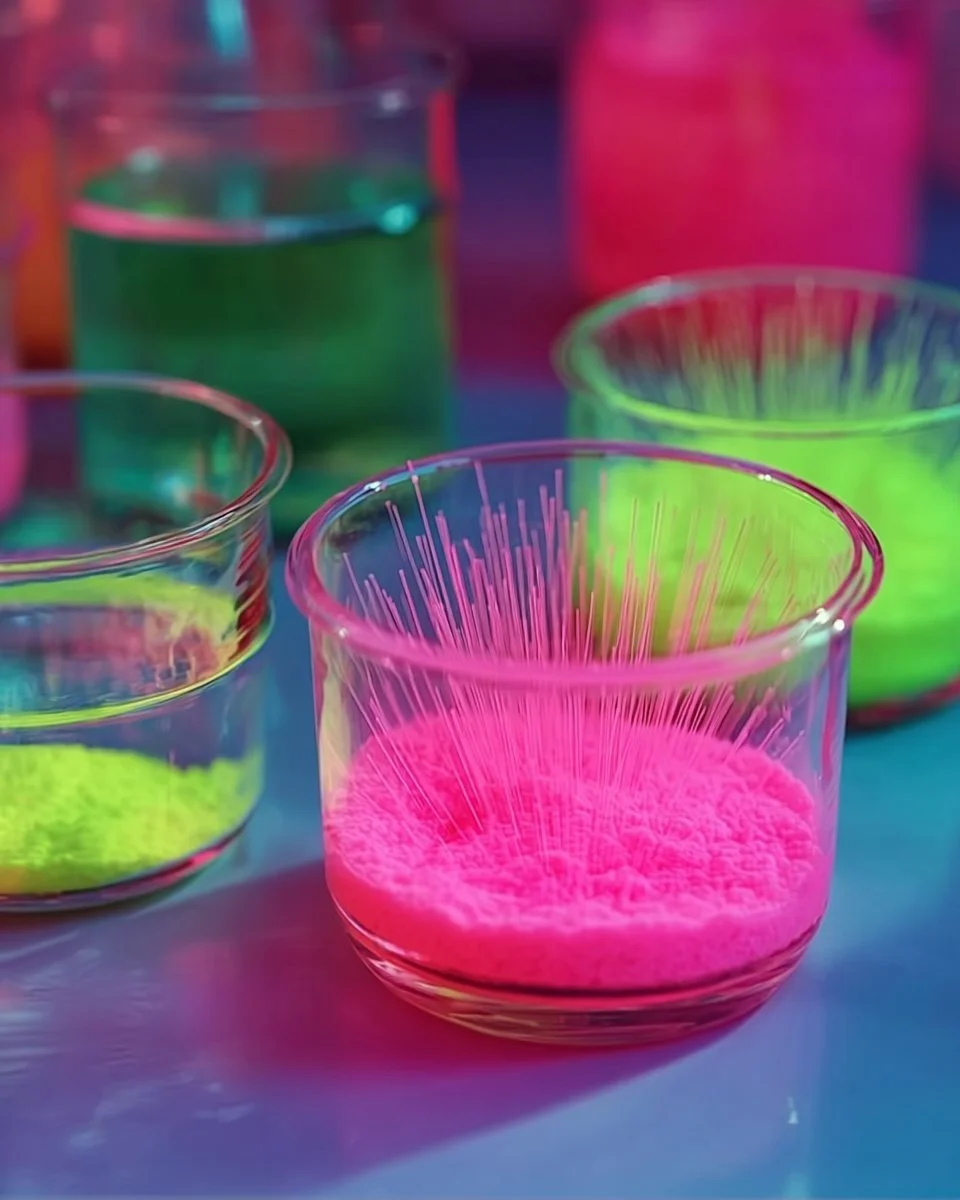
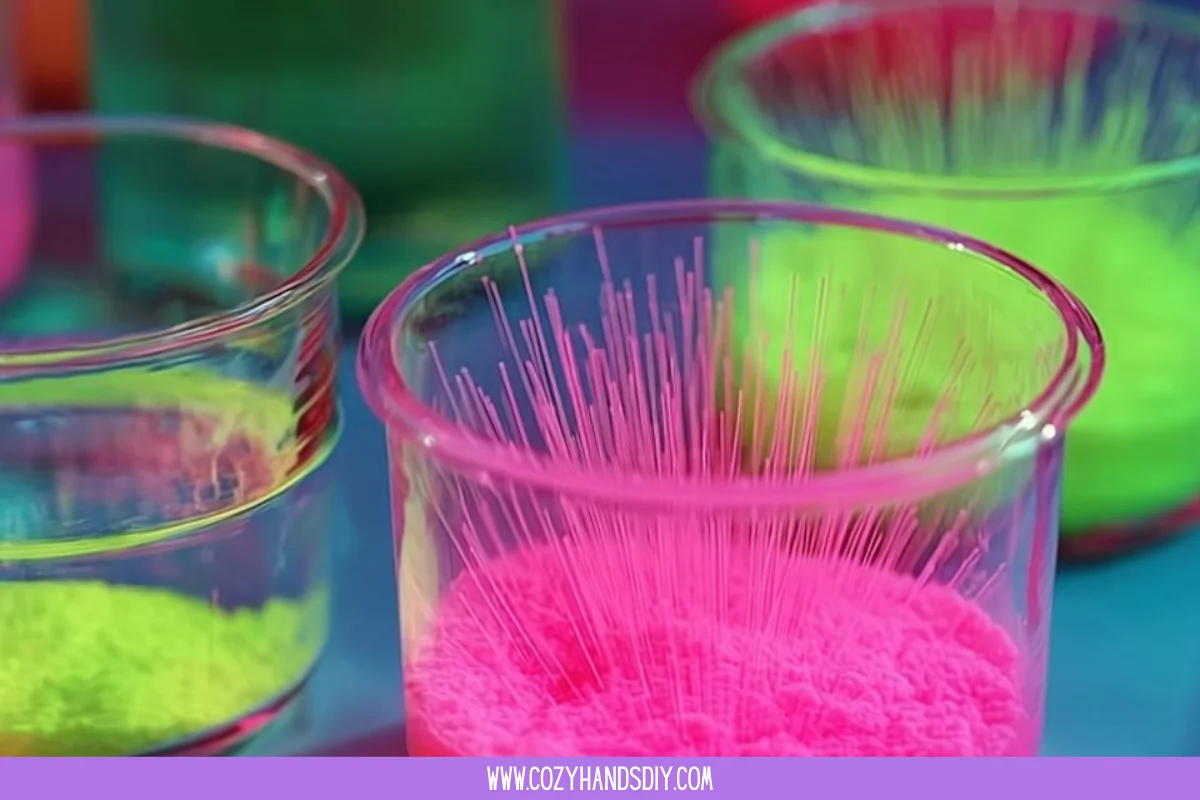
When the fizz calms, you will notice a soft residue of tiny bubbles and gentle scent. This quiet remains beautiful in its own way. The jars themselves become small records of the experiment, their sides with faint rings and color stains that tell the story of each pour. I like to place one on a windowsill for a morning or two, where the late sun picks out the colored swirls and the glass gleams softly.
Sometimes I photograph the jars, but often I leave them alone and simply sit beside them for a few minutes. The finished pieces are not meant to be permanent. They are moments, captured for a short while, then cleaned and set ready for another gentle session.
You might also use the colors and a little of the fizz residue as part of a mixed-media page in a sketchbook. Dab a bit of the tinted vinegar onto paper as a transient watercolor, or press a small round of baking soda paste as texture. These simple, impermanent uses keep the magic alive without insisting on long-term display.
Keeping It for Later
This project is intentionally ephemeral. The fizz and the foam do not last, and that is part of its quiet charm. If you want to extend the experience, you can save small amounts of mixed paste in a sealed container for a day, but expect reduced fizz when vinegar meets already-moistened baking soda.
To store leftover baking soda, keep it in a cool, dry place away from scented containers. If you plan to reuse jars, rinse them soon after the activity to prevent staining from concentrated food coloring. Vinegar can sit in a closed container for a long time, but once mixed with color it will gradually fade.
If you want to reuse the colored vinegar for another gentle session the same day, pour it into a separate glass and keep it covered. For long-term projects like crystal trees, different techniques and solutions work best, and you can find a calm how-to guide here: baking soda crystal growing trees.
When children are involved, designate a small storage container for their experiment materials and keep scissors, pipettes, and small items in one tray. Reassure them that this work is meant to be explored and that cleaning up is part of the making.
Gentle Tips & Variations
-
Invite scent gently.
Add a single drop of essential oil, such as lavender, to the vinegar for a soft, soothing scent. Use very little and avoid oils with skin-irritating strength.
This makes the sensory experience calmer, particularly for a slow afternoon of quiet exploration. -
Play with textures.
Mix a little cornstarch into the baking soda to thicken the paste and slow the reaction. The thicker paste gives you more control and creates longer-lasting foam textures.
This is a good variation if you want to turn each burst into a sculptural moment. -
Try different containers.
Swap jars for shallow bowls, test tubes, or muffin tins. The shape of your vessel changes how bubbles move and where colors pool.
I often line a muffin tin for a series of mini bursts — it looks tidy and lets me compare patterns side by side. -
Make a night version.
Dim the room and use a small LED light beside the jar to highlight the color and shimmer. The contrast between dim light and bright color makes the fizz feel a little more magical.
Keep LED lights cool and small for safety, and never use open flames near vinegar or paper cones. -
Combine materials in stages.
Create multiple piles of baking soda and pour different colored vinegar onto each pile in sequence. This creates a choreographed set of blooms that you can watch like a tiny fireworks show.
I sometimes hum or tap slowly between pours to set a relaxed pace.
These are invitations rather than rules. Try one or two and see which make you breathe a little deeper or feel more present. Gentle experimentation teaches not only what works but how you like to experience the making.
FAQs About Baking Soda and Vinegar Fireworks:
Q: Is this safe for young children and curious fingers?
A: Yes, when supervised. Baking soda and vinegar are household staples and generally safe. Keep eyes and mouths away from the mixtures, and guide little hands to use tools like droppers or spoons. If skin sensitivity appears, rinse with water and stop. I always sit nearby and model each gentle step.
Q: Why does the fizz happen, and can I make it last longer?
A: The fizz forms because baking soda (a base) reacts with vinegar (an acid) and produces carbon dioxide gas. To slow the reaction, make a thicker paste of baking soda and water, or drip vinegar slowly with a dropper. To make it faster and more dramatic, pour more vinegar at once. Both approaches change how the bubbles look and sound.
Q: Will food coloring stain surfaces or clothes?
A: Concentrated food coloring can stain fabrics and porous surfaces. Use gloves or an apron if you worry about clothing, and place a tray or towel under your workspace. Glass and ceramic rinse clean easily, but paper and cloth may keep a faint tint. Test small amounts on a scrap before using on treasured textiles.
Q: Can I use other vinegars or acids?
A: White household vinegar around 5% acidity works well and gives predictable fizz. Stronger acids or concentrated solutions can increase the reaction and could be unsafe for skin or eyes. Stick to standard vinegar for a calm, safe project. For a sweeter scent, you can dilute apple cider vinegar slightly, but be mindful of color and smell changes.
Q: What can I do with leftover mixtures?
A: Leftover mixtures can be rinsed down the sink with plenty of water unless you added large amounts of coloring or thickening agents. Compost small amounts of dry baking soda if you wish. If you plan to reuse small batches the same day, keep them covered and labeled.
A Gentle Note Before You Go
When you finish a session, take a few slow breaths and let the room settle. I often wash the jars with warm water and a soft cloth, and then arrange the tools back in their tray. The act of cleaning is part of the ritual; it closes the moment and makes space for the next small experiment.
If a child or a friend helped you, ask them what they noticed. Sometimes we learn most from a single word — "bubbly," "fast," "blue" — and sharing those tiny observations deepens the memory. Keep a little notebook nearby if you like, and jot one line about which color or pace felt most soothing. Those small notes build a gentle map of your calm-making habits.
I hope these Baking Soda and Vinegar Fireworks bring you a little lightness and a pause in the day. The work is simple, the materials are humble, and the reward is quiet attention to something playful and transient. Allow the experiments to be imperfect; this project is about curiosity and care more than precision. If you want to explore other sensory crafts or try a more intricate setup next time, take your time and come back when it feels right.
Conclusion
If you would like a different step-by-step perspective on making similar jar-based displays, this guide offers a thoughtful variation: How to Make Fireworks in a Jar – One Time Through. For a deeper look at the science and a classroom-friendly approach to baking soda and vinegar demonstrations, this resource provides clear measurements and discussion: Baking Soda and Vinegar Fireworks – Measuring Chemical Reactions.
Thank you for bringing quiet attention to these small moments.
PrintBaking Soda and Vinegar Fireworks
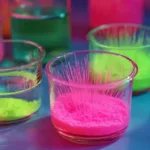
A gentle, hands-on experiment that creates colorful fizzing reactions using baking soda and vinegar, perfect for children and curious minds.
- Prep Time: 10 minutes
- Cook Time: 15 minutes
- Total Time: 25 minutes
- Yield: Multiple small experiments
- Category: Educational Activity
- Method: Hands-on Experimentation
- Cuisine: N/A
- Diet: N/A
Ingredients
- 1-2 teaspoons of baking soda (sodium bicarbonate)
- White vinegar (household vinegar, around 5% acidity)
- Food coloring or liquid watercolors (optional)
- Clear jars, glasses, or shallow tray
- Small spoons or measuring spoons
- Pipettes, droppers, or small squeeze bottle (optional)
- Funnels or paper cones (optional)
- A tray or towel for cleanup
- Protective apron or washable surface
Instructions
- Prepare your workspace and containers.
- Make small baking soda hills by spooning a teaspoon or two of baking soda into each jar.
- Add color to the vinegar by dropping a few drops of food coloring into it and stirring gently.
- Create soft fizz by using a dropper to pour the colored vinegar onto the baking soda hill.
- Experiment with pacing and placement of the vinegar to create different fizz sounds and bubble patterns.
- Clean and reset for another round after the fizz subsides.
- Try layered colors or delayed bursts by using different pouring techniques.
- Keep observation gentle and personal after each bloom.
Notes
This project encourages curiosity and gentle observation, perfect for a rainy day activity with children.