

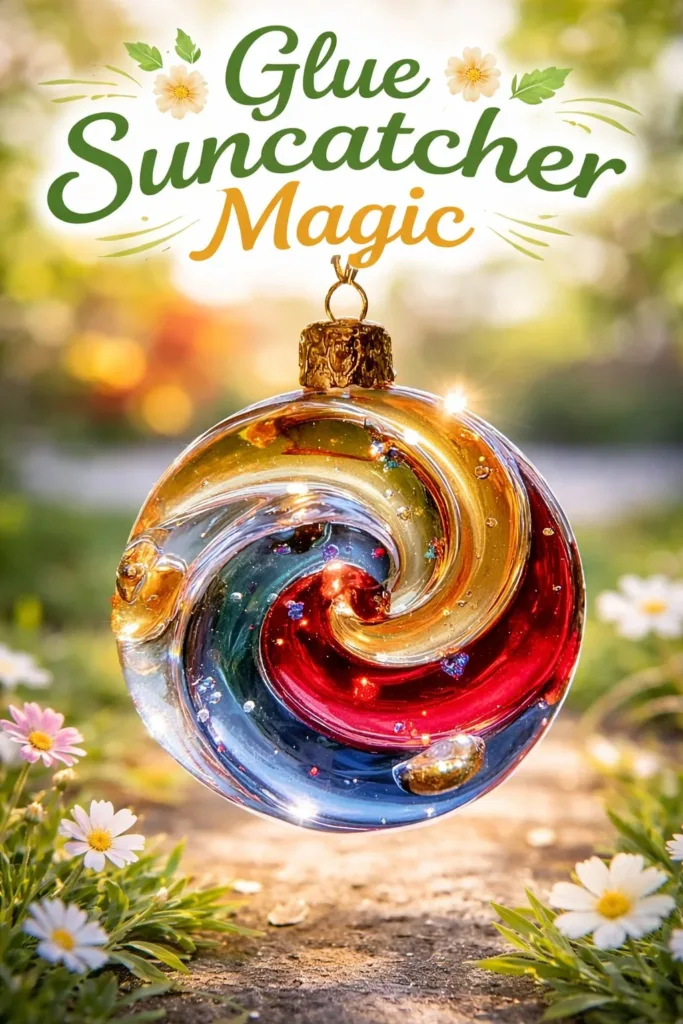
The sun slips through a small window and lays a warm, soft rectangle across my work table. I rest a fingertip in that light and watch clear beads of glue spread like tiny lakes. I call this Glue Suncatcher Magic because the glue catches the day and holds it, translucent and calm, a quiet glass that I make with my hands. If you enjoy slow, luminous crafts, you might like the simple techniques I used for my valentine heart suncatchers, which use many of the same sensory moments.
Why Glue Suncatcher Magic Feels Comforting to Create
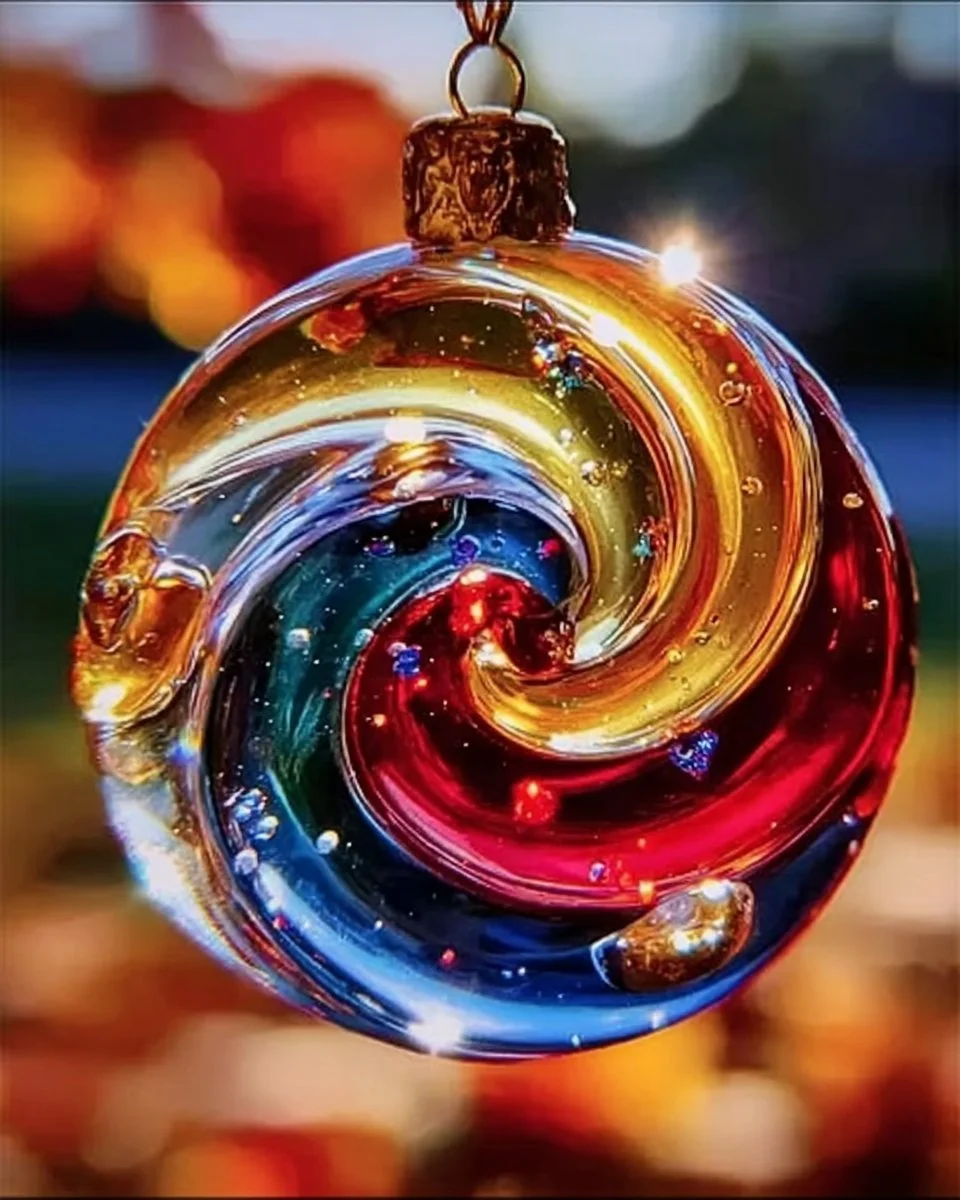
There is a gentle repetition in making a suncatcher. I mix colors, I watch viscosity change, I adjust the flow of glue, and I wait. Each movement invites me to slow my breathing and notice textures. When the glue pools and smooths, it makes a soft, glossy surface that reflects light in small, patient ways. That quiet slowing helps me notice tactile details — the slight tack as the glue cools, the way a stir stick leaves a narrow trail, the distant hum of an afternoon.
This craft supports focus without pressure. You do not chase perfection. The imperfections—tiny bubbles, uneven edges, and layered pools—become part of the piece’s personality. Material choices affect how the light travels through the suncatcher. Thicker glue gives a deeper, jewel-like look, while thinner layers glow like stained glass. Choosing this project invites a calm presence; you make space for sensory awareness and small, mindful decisions.
The Flow of Making Glue Suncatcher Magic
Before you begin, imagine the motion. You will pour, tilt, and adjust. You will listen for the faint plop as glue meets the mold. You will watch color bloom and settle. This flow moves slowly and purposefully. It asks that you stay with one step until it completes and then move on.
I like to set a playlist of quiet instrumental music or the steady sound of a kettle in the next room. That steady backdrop helps me place each movement in a rhythm. Mixing feels like painting with liquid glass; pouring feels like placing little pools of light into a frame. The work invites tactile curiosity: the resilience of glue as it stretches, the way pigments sink or float, and how sunlight reveals tiny inclusions. These sensory cues guide small adjustments, and the process becomes a gentle conversation between you and the materials.
Materials You’ll Need
- Clear school glue or craft glue (easy to find; look for non-toxic, clear formulas)
- Disposable mixing cups (one per color; lightweight and simple)
- Stir sticks or wooden skewers (smooth, inexpensive)
- Liquid watercolor, acrylic ink, or food coloring (optional; use water-based pigments for easier control)
- Silicone molds or a firm wax paper template (silicone gives smooth edges; wax paper works in a pinch)
- Fine glitter, pressed dried flowers, or tiny beads (optional; adds visual depth)
- Clear sealer spray (optional; for extra durability once cured)
- Thin fishing line or ribbon (for hanging once dry)
- A small heat source like a craft heat gun or a hair dryer on low (helps remove bubbles; use gently)
- A flat, level tray or board to place molds on while curing (keeps pieces even)
- Protective gloves and work apron (safety and clean hands)
- Paper towels and rubbing alcohol (for quick cleanup and smoothing)
Notes: I choose water-based pigments because they mix smoothly with glue and maintain translucence. Silicone molds give the cleanest edges, while wax paper provides a more organic, handmade sillhouette.
Step-by-Step Directions
-
Prepare your workspace and materials.
Keep a level surface and good light. Lay down paper towels and wear gloves if you prefer to keep hands tidy. -
Pour clear glue into a mixing cup.
Fill to a depth that fits your chosen mold. Watch the glue’s surface shine; it will sit like a slow pool. -
Add pigment a few drops at a time.
Stir slowly with a stick and notice how color spreads. Mix until you reach a shade you like; less is often more for delicate translucence. -
Transfer the colored glue to the mold.
Pour gently near the center and let the glue move outward. Avoid large splashes; slow pouring helps the edges stay smooth. -
Add layers and inclusions.
Drop tiny bits of glitter or flowers on top; press gently if needed. If you want a layered effect, let the first layer set slightly before adding the next. -
Remove bubbles with gentle heat or a toothpick.
Hold a hair dryer on low a safe distance away, or gently touch a toothpick to the surface. Move slowly until bubbles settle and the surface looks calm. -
Let the glue cure fully.
Place the mold on a flat tray and leave it undisturbed for 24 to 48 hours. The timing depends on thickness and room temperature. -
Demold with patience.
Gently peel silicone molds away from the edges. Support the piece with your hand and slow your movements to avoid flexing the center. -
Trim and finish edges if needed.
Use small scissors or a craft blade to neaten uneven edges. Lightly sand any rough spots with fine-grit sandpaper for a polished look. -
Seal and hang.
Optional: spray a light mist of clear sealer for extra protection. Thread fishing line through a small hole or attach ribbon to enjoy your suncatcher in a sunny window.
Enjoying the Finished Piece
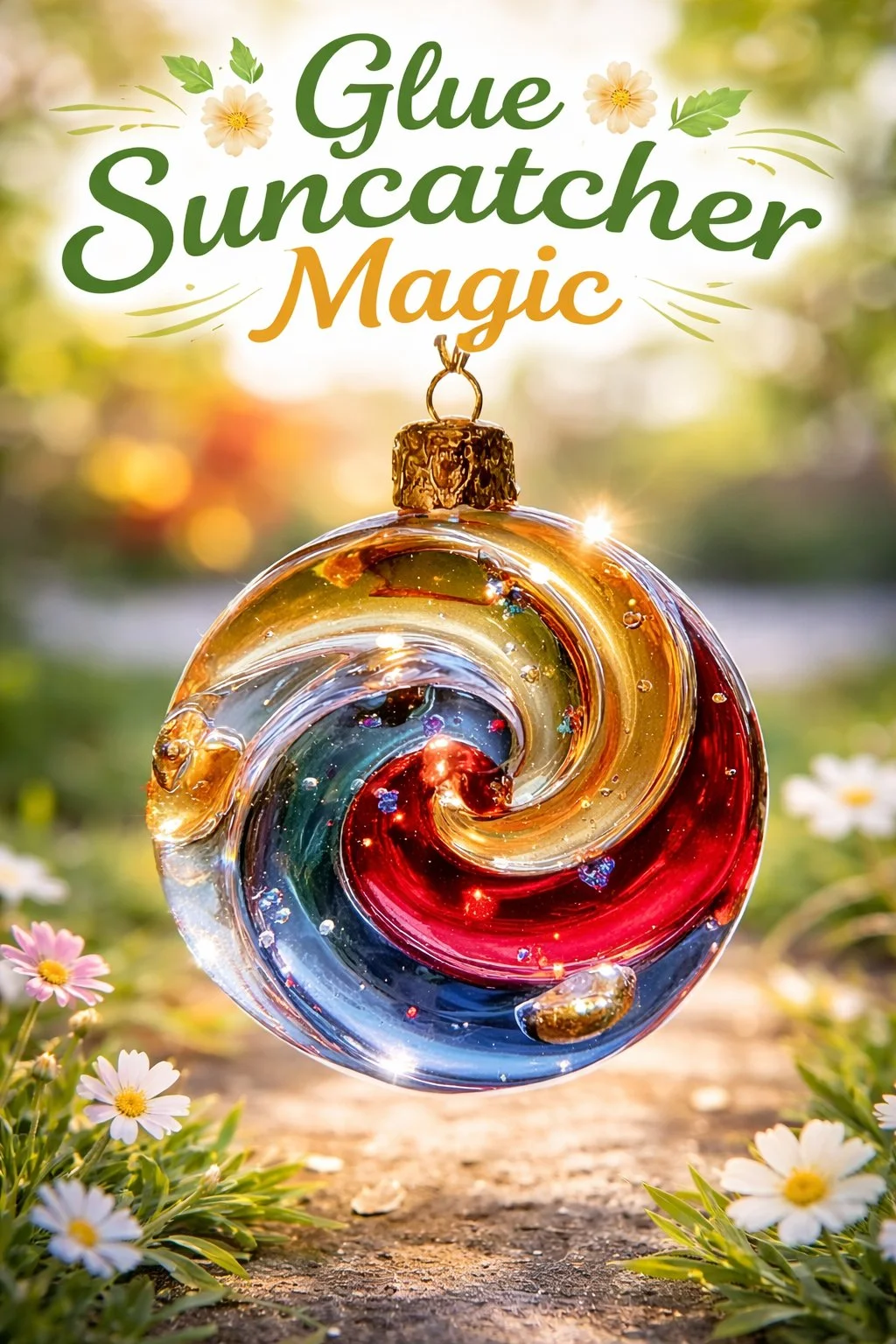

Place your completed suncatcher where light can move through it. I hang mine in the kitchen window where morning light tends to change color with the sun. The piece catches the first cool rays and then warms as the day unfolds. Small flecks of glitter catch and scatter a gentle shimmer across the table. When clouds pass, the colors deepen, and the work looks different—always slightly new.
You can rotate suncatchers across rooms for seasonal moods. A pastel piece brings a soft morning feeling, while saturated blue tones feel cozy in late afternoon. If you use dried flowers, position them so the stem lines read vertically; sunlight will highlight veins and petals like little portraits. Suncatchers also make quiet gifts. I tie one with a thin ribbon and write a short note about a calming moment the recipient might enjoy. The act of giving then becomes another small ritual of presence.
Keeping It for Later
Store completed suncatchers flat until they cure fully to protect shape and shine. Use an archival box or a shallow tray lined with tissue paper to prevent surface scratches. If pieces stack, place thin sheets between them to avoid sticking or friction.
If you plan to reuse elements like dried flowers or beads, keep them in small labeled containers. For leftover glue, seal the bottle tightly and store in a cool place to prevent skinning. Keep pigments away from direct sunlight; prolonged exposure can dull certain colors. For longer life, avoid placing the suncatcher in direct, blistering sunlight all day; moderate light will preserve color without warping.
What I’ve Learned While Making This
-
Embrace small imperfections.
I once made a suncatcher with tiny bubbles that I first saw as mistakes. In certain light, those bubbles looked like a constellation, and I grew fond of that unexpected texture. This craft rewards a softer view of flaws. -
Work in thin layers for control.
Thinner layers reduce cure time and make it easier to place delicate inclusions. They also let light travel through the piece with a more glass-like clarity. -
Use warmth gently to manage bubbles.
A short, soft blast of heat brings bubbles up without changing the overall shape. Too much heat creates an uneven surface, so I keep the device moving and a respectful distance away. -
Keep tools dedicated when possible.
A small set of disposable cups and sticks helps me keep color mixing tidy. If I do reuse, I label cups so colors do not cross-contaminate.
Gentle Tips & Variations
-
Try a two-tone pour.
Pour one color halfway, let it set slightly, then add a contrasting color. This method creates a lovely layered effect, almost like a sunrise captured in glue. -
Use natural textures.
Place thin slices of leaves or tiny pressed flowers in the glue for soft botanical silhouettes. Press them flat gently to minimize trapped air. -
Make a textured border.
Add a narrow ring of tiny beads or glitter around the edge of the mold to frame the light-catching center. The border catches the eye without overpowering the translucence. -
Experiment with translucent paints.
Dilute acrylics to a wash and add sparingly to the glue. They give a watercolored look and keep the suncatcher luminous. -
Try different mold shapes.
I find that organic shapes, like uneven circles or pebble silhouettes, feel more calming than strict geometric forms. They refract light in unexpected ways.
FAQs About Glue Suncatcher Magic
Q: Will the glue yellow over time?
A: Clear school or craft glue can sometimes yellow if exposed to continuous strong sunlight. To reduce this, place suncatchers in moderate light and consider using an archival-grade clear sealer if you want added protection.
Q: Can children safely make these with adults?
A: Yes, with supervision. Use non-toxic, water-based glue and keep small inclusions like beads out of reach for very young children. An adult should handle heat sources and cutting tools.
Q: How long does a suncatcher need to cure before hanging?
A: Cure time varies with thickness and room conditions. Thin pieces often set within 24 hours, while thicker layers can take up to 48 hours. Wait until the center feels firm and not tacky.
Q: What if my pigment separates from the glue?
A: Gently stir and remix the color into the glue. If separation persists, try using a small amount of glue with the pigment in a separate cup, then combine. Water-based pigments usually mix more consistently.
Q: Can I make a layered piece over several days?
A: Yes. Work on thin layers, allow each to set slightly, and then add another. This method creates depth and reduces warping.
Final Reflections on Making Glue Suncatcher Magic
When I make suncatchers, I notice a softening in my pace. I slow my breath to match the glue’s settling rhythm. These projects give me permission to be gentle with outcomes and curious about small shifts in color and light. The practice asks for little gestures of patience—waiting, observing, and adjusting—rather than quick fixes. Each finished piece holds a quiet memory of the afternoon I spent making it, and that memory folds into daily life each time light passes through the work.
A Gentle Note Before You Go
Hold this craft as an invitation, not a task. Choose a small, sunny window and a moment when you can be present. Keep your tools simple. Let the glue and light guide you. In that softness, the making becomes a small ritual of attention that steadies the hands and calms the mind.
Conclusion
For a step-by-step visual guide and more ideas on color mixing with glue, I often return to the helpful tutorial at Colorful DIY Glue Suncatcher Craft – Mombrite, which inspired playful variations in my own practice. For broader creative inspiration and safety tips related to glue-based crafts, you may enjoy browsing the resources and projects shared by Art Inspiration – Elmer’s Glue.
PrintGlue Suncatcher Magic

Create beautiful, translucent suncatchers using glue and pigments, perfect for capturing sunlight and enhancing your space.
- Prep Time: 15 minutes
- Cook Time: 60 minutes (cure time not included)
- Total Time: 45 minutes (plus curing time)
- Yield: 1 suncatcher
- Category: Craft
- Method: Crafting
- Cuisine: N/A
- Diet: N/A
Ingredients
- Clear school glue or craft glue
- Disposable mixing cups
- Stir sticks or wooden skewers
- Liquid watercolor, acrylic ink, or food coloring (optional)
- Silicone molds or firm wax paper template
- Fine glitter, pressed dried flowers, or tiny beads (optional)
- Clear sealer spray (optional)
- Thin fishing line or ribbon
- A small heat source (craft heat gun or hair dryer)
- A flat tray or board
- Protective gloves and work apron
- Paper towels and rubbing alcohol
Instructions
- Prepare your workspace and materials.
- Pour clear glue into a mixing cup.
- Add pigment a few drops at a time and stir.
- Transfer the colored glue to the mold.
- Add layers and inclusions as desired.
- Remove bubbles with gentle heat or a toothpick.
- Let the glue cure fully for 24 to 48 hours.
- Demold with patience.
- Trim and finish edges if needed.
- Seal and hang your suncatcher.
Notes
Use water-based pigments for easy mixing with glue. Silicone molds provide the cleanest edges.