

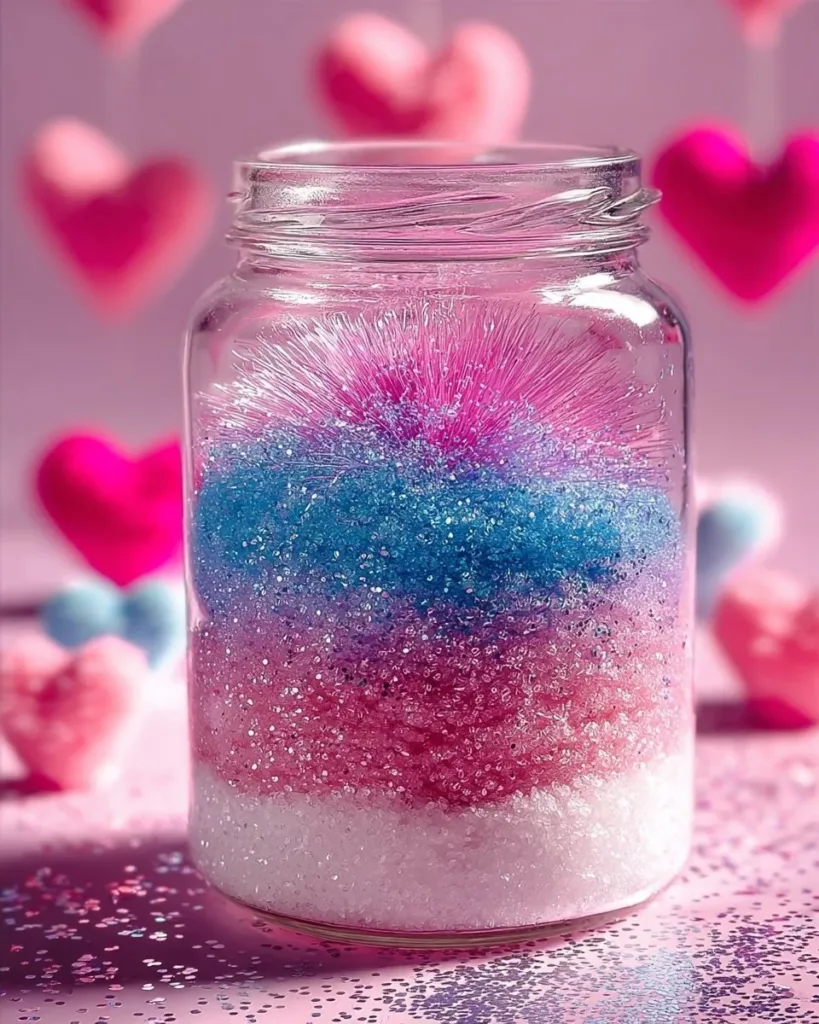
A warm pool of light sits on the table as I set out small bowls of powder and color. The fizz begins quietly, a soft pop and a bloom of foam that smells faintly of sharp citrus and vinegar. This Colorful Baking Soda and Vinegar Reaction asks me to breathe slow, to watch the colors fold and drift across the foam. I often return to this simple experiment when I want to feel steady and present, and you can too by following a gentle, sensory-first pace and the little notes I include from my own hands-on moments with the fizzing colors. For a full walk-through on one version of this idea, I like to reference the detailed guide on Colorful Baking Soda and Vinegar Reaction tutorial when I need a gentle refresher.
Why Colorful Baking Soda and Vinegar Reaction Feels Comforting to Create

This project softens the day. The textures invite touch, the sound invites attention, and the slow chemistry invites wonder without pressure. When you stir dry baking soda into soft piles and then watch liquid meet powder, the change happens like a small surprise. It feels honest and simple.
I find the rhythm of preparing little cups, choosing colors, and pouring vinegar in a steady hand to be calming. There is a tactile pleasure in scooping flour-like baking soda, a quiet thrill in the first tiny pop, and a visual reward as the bubbles carry color across the tray. This makes the experiment a gentle way to practice presence.
For caregivers and makers, this activity balances control and unpredictability. You choose the palette, the speed of pouring, and the size of your piles. The reaction does the rest. That space between choice and chance helps many of us slow down and appreciate the small, lively details.
This experiment also supports sensory needs. The fizz gives sound and movement, the foam has a soft wet texture, and the aromas are bright but not harsh. In my own practice, I use this activity as a mindful pause between busier tasks. It helps quiet my thoughts because it asks for gentle attention to what is right in front of me.
A Gentle Look at the Process
Before you gather anything, imagine the flow. Tiny mounds of white powder sit like soft snow. Small cups of colored vinegar wait like tiny lakes. When liquid touches powder, it lifts foam in a light fountain. The motion feels slow at first and then lively.
You will move in small steps. Scoop, level, breathe. Mix color with water until it is softly saturated, not saturated to the point of spilling. Pour in a steady line or in little droplets and watch the surface ripple. The sound is a soft crackle, close to the sound of rain on a windowpane. That rhythm helps set a calm pace.
This approach keeps things tidy and safe for hands-on play. Use a tray to collect overflow. Keep a damp cloth nearby to wipe unexpected spills. I learned from making experiments with my kids and alone that a prepared surface and a patient attitude make the project feel like a treat, not a chore.
If you have tried other baking soda projects, you may notice similarities. I often pair this activity with slower crystal-growing projects to stretch a quiet afternoon. If you are curious about branching out, my note on the little baking soda crystal trees helped me move from short fizzing sessions to longer, patient projects like the baking soda crystal growing tree where the same ingredients meet time in a different way.
Materials You’ll Need
- Baking soda, one to two cups. Easy to find at any grocery store.
- White vinegar, about one cup. You will dilute some with water for color.
- Liquid food coloring or water-based craft dyes. Choose colors you love.
- Small bowls or cups for mixing color. Reusable or disposable both work.
- Measuring spoons and a teaspoon for scooping. A small scoop gives control.
- A tray or shallow dish to catch overflow. This keeps the surface calm.
- Dropper or small pouring cup. A steady flow helps shape the reaction.
- A spoon or small stick for gentle stirring. Smooth wooden stirrers feel nice.
- Paper towels and a damp cloth for cleanup. Soft and simple.
Note: If you prefer less bright dye, natural options such as diluted beet juice or turmeric water can work, though they stain more. If you want to explore longer projects using similar materials, consider reading about growing trees with baking soda crystals for a calm contrast to the quick fizz.
Step-by-Step Directions
- Gently spoon baking soda into small, shallow piles across your tray. Keep each pile about the size of a coin. I like the soft, powdery motion of leveling each mound with the back of a spoon.
- Mix a small amount of white vinegar with a drop or two of food coloring in a cup. Use a calm, slow stir until the color is even. The liquid should look translucent and soft.
- Position a colored vinegar cup near a pile and pause to notice light on the surface. This tiny mindful moment helps slow the rest of the process.
- Use a dropper or small pour to add colored vinegar to the center of a pile. Pour in a steady, thin line rather than a rush. The first fizz unfolds like a small cloud.
- Watch how bubbles lift color upward and spread it out. Take a breath and follow the movement with your eyes. The fizz will soften and settle into a pastel wash.
- Repeat with another color on a neighboring pile. Leave space between piles so colors can travel without mixing too quickly.
- Try pouring from higher up for thinner streams and from closer for more concentrated fizz. Both feel different in sound and sight. I often change height to explore the rhythm.
- For layered color, add a second small pour once the first fizz slows. The new pour creates a fresh bloom within the settled foam.
- When you want a slower reaction, dilute the vinegar with more water. The bubbles come quieter and the colors drift more gently.
- To intensify fizz, use undiluted vinegar and a slightly deeper scoop of baking soda. This will create a larger foam bloom and a stronger scent.
- When the fizz quiets, tilt the tray gently to let the colored water run. Watch lines form where the colors meet and pause to see the patterns.
- Clean small spills with a damp cloth as you go. The project feels calmer when you keep the edges tidy.
Enjoying the Finished Piece
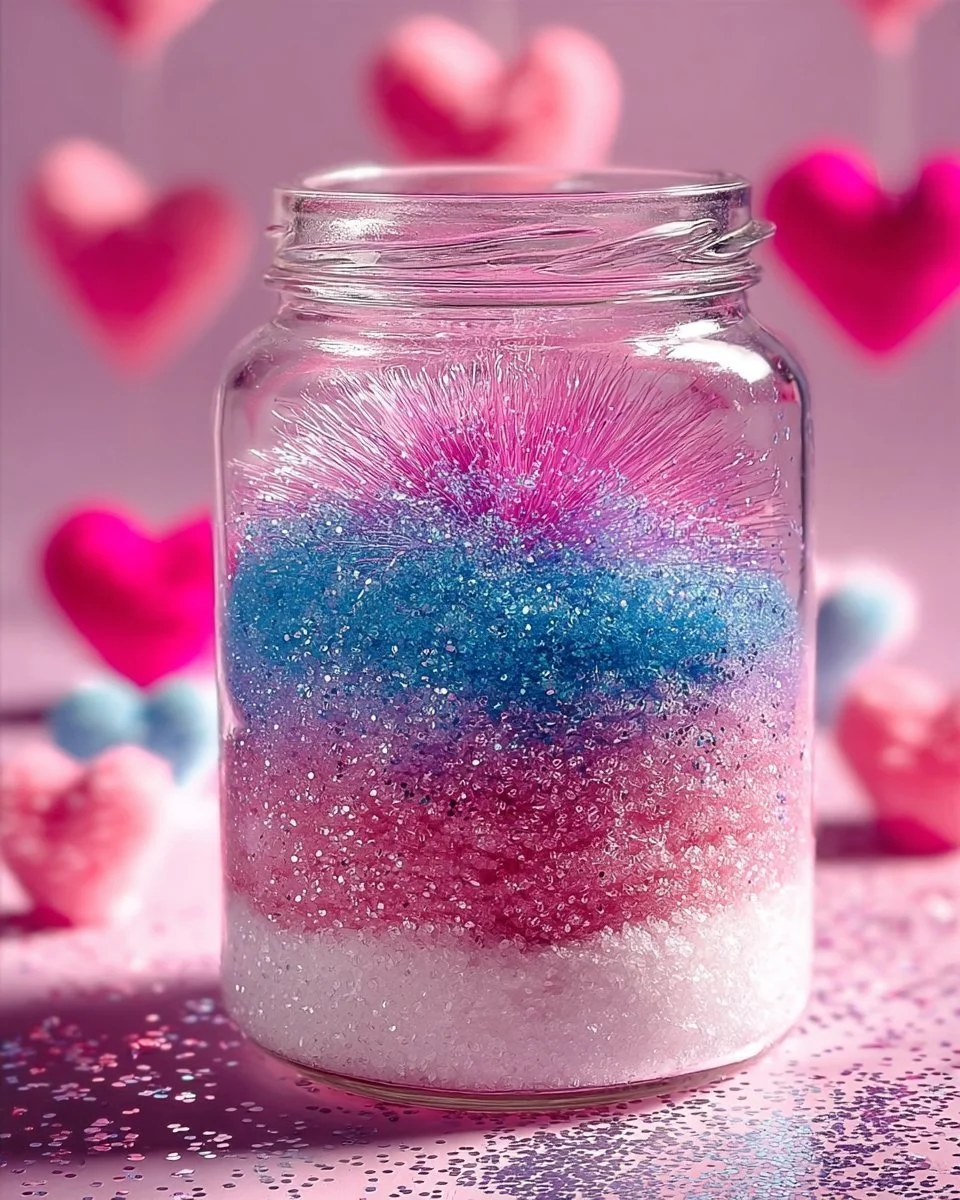

When the last bubble fades, a quiet landscape of muted color will remain. The surface may feel slightly damp to the touch and it will carry the faint scent of vinegar. I like to let the pieces dry for a few hours if I want to preserve shape, or I leave them loose to collapse back into powder and water.
You can display the tray as a temporary art piece on a low table for a short while. Invite someone to sit beside you and tell the story of where the colors traveled. In our home, the colors often become a gentle prompt for conversation, a way to talk about small changes and simple joy.
This reaction also works well as a sensory moment on a busy day. Place the tray where hands can reach safely, and allow five to twenty minutes of quiet exploration. The activity ends cleanly, and the colors fade without drama. If you want to tie this into other calm experiments, I sometimes pair the fizzing session with a slower crystal project like the baking soda crystal heart growth to stretch the cozy time into the evening.
How to Store or Reuse Colorful Baking Soda and Vinegar Reaction
Most of this activity dissolves or dries into soft residues. If you want to save the colors for simple play, pour the leftover colored liquid into a sealed jar and store it in the fridge for up to a week. Label jars gently so you remember the colors inside.
You can collect the damp, colored baking soda into a container for a short sensory jar, but know that it will clump. If you want a longer-lasting sensory resource, dry the colored mixture on a flat tray until it forms soft flakes. Store the flakes in an airtight container. They will not fizz again until you add fresh vinegar, but they can return to a soft material you can stir or sift.
If you’d like to reuse small cups or droppers, rinse them promptly. Warm water breaks down the dye and vinegar so the tools feel fresh the next time. For larger spills on surfaces, a mild soap and warm water solve most stains. Vinegar and food coloring do not usually leave permanent marks on nonporous surfaces, but porous wood might show a faint ring, so protect sensitive surfaces.
Gentle Tips & Variations
- Invite small hands by offering a single color at a time. This keeps the moment calm and reduces the chance of overwhelm.
- Try layering colors slowly to watch how subsequent pours nest within older blooms. This creates soft, marbled effects.
- Use a squirt bottle instead of a cup for different rhythms. The bottle gives a more controlled line and a satisfying squeeze.
- Make a palette of pastel colors by diluting food coloring with more water. Pastels feel softer and often read as more calming.
- If you want a longer activity, pair the fizz with a reading or soft music session. The slow build of sound and text pairs well with the faster fizz play.
Each tip comes from small experiments at my table. I like to treat these as invitations to play rather than strict steps. You can adjust any part to suit a mood, space, or age.
FAQs About Colorful Baking Soda and Vinegar Reaction:
Q: Is this activity safe for young children?
A: Yes, when supervised. The materials are common household ingredients. Keep an eye on little mouths and eyes. Use shallow containers and teach children to pour gently. I sit close and model calm pouring until trust grows.
Q: Will the food coloring stain skin or clothes?
A: Food coloring can leave temporary stains on skin and fabric. I recommend aprons or an old shirt and keep wipes nearby. Skin stains wash away with soap and warm water. For fabric, treat spots promptly with cold water.
Q: Can I use other acids instead of vinegar?
A: Vinegar offers a gentle, safe acid that reacts predictably with baking soda. Lemon juice will also fizz, but it has a stronger scent and may change color slightly. I stick with white vinegar when I want the quietest scent and the cleanest result.
Q: How do I make the colors more subtle?
A: Use less food coloring and add more water. Slow pours and diluted vinegar give softer blooms. I often mix color into a very pale wash for a gentle palette.
Q: Can I save the colored residues for crafts?
A: You can dry the colored mixture into flakes for texture work or mix dried residues into paper pulp. The dyes may fade over time. For best results, test a small batch before committing to a larger craft.
A Quiet Closing Thought
The cake of bubbles settles, and the day feels a measure lighter. I find this experiment useful when I want a quick, mindful reset that still feels playful. It teaches me to meet small changes with calm curiosity, a skill that stretches beyond the table.
If you try this, honor the pace that feels right. Notice the sound of fizzing, the feel of powder, the way color moves. These small, steady acts of making help us live more tenderly with the present moment.
Conclusion
For a differently framed step-by-step that also explores how children respond to the bright fizz, see the Baking Soda and Vinegar "Fizzing Colors" Experiment which offers child-centered ideas and photos.
If you enjoy a slightly more mysterious version that hides colors until the fizz reveals them, try the approach in Hidden Colors: A Baking Soda & Vinegar Experiment for another gentle way to play with surprise and slow discovery.
PrintColorful Baking Soda and Vinegar Reaction

An engaging sensory experiment combining baking soda and vinegar with food coloring for a colorful fizzing reaction.
- Prep Time: 5 minutes
- Cook Time: 15 minutes
- Total Time: 20 minutes
- Yield: 1 sensory activity
- Category: Sensory Activity
- Method: Experimentation
- Cuisine: N/A
- Diet: N/A
Ingredients
- 1-2 cups baking soda
- 1 cup white vinegar
- Liquid food coloring or water-based craft dyes
- Small bowls or cups for mixing
- Measuring spoons
- Tray or shallow dish
- Dropper or small pouring cup
- Spoon or small stick for stirring
- Paper towels and a damp cloth for cleanup
Instructions
- Gently spoon baking soda into small piles on the tray.
- Mix vinegar with food coloring in a cup until translucent.
- Position the vinegar cup near a baking soda pile.
- Use a dropper to add colored vinegar to the center.
- Watch the fizzing reaction and enjoy the colors.
- Repeat with different colors on neighboring piles.
- Experiment with different pouring heights for varied reactions.
- When fizzing slows, tilt the tray to observe color patterns.
- Clean up spills with a damp cloth.
Notes
To soften colors, dilute food coloring with more water. Use natural dye alternatives like beet juice for a gentler palette.