

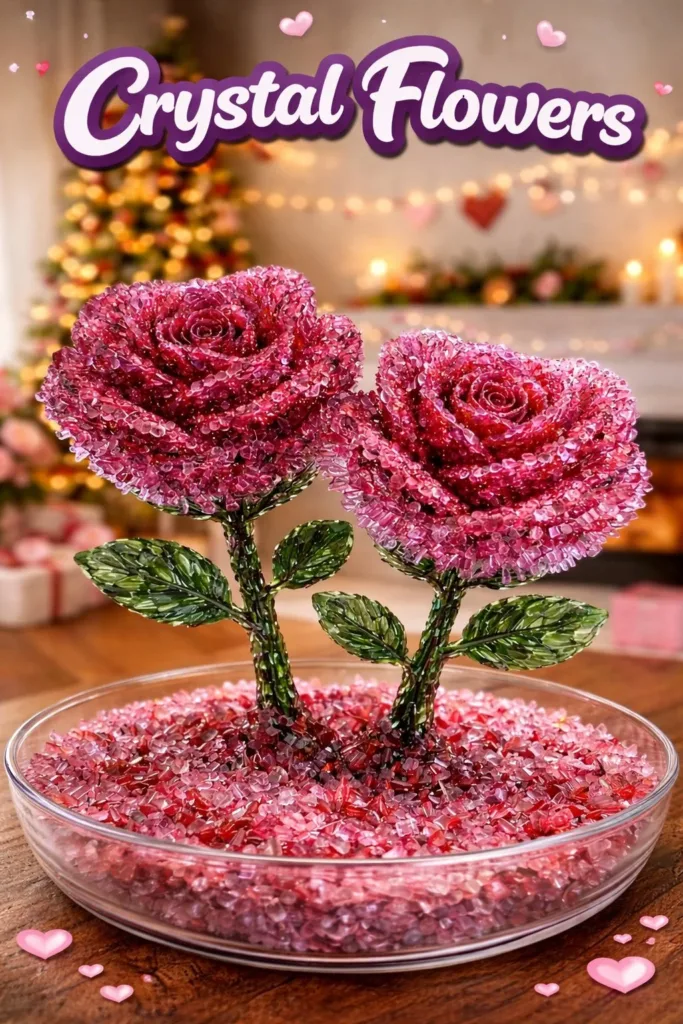
A warm window lets late light settle on a small tray of crystal petals as they form. My fingers feel faintly cool and grainy from the sugar solution. The air smells of soft steam and a hint of citrus from the cloth I used to wipe the work surface. Crystal Flowers sit still under the light, each one catching a tiny bright spot, and I breathe slower, paying attention to that small glow. If you have followed a similar hands-on path before, like my baking soda crystal tree tutorial, this moment will feel familiar and comforting.
Why Crystal Flowers Feels Comforting to Create
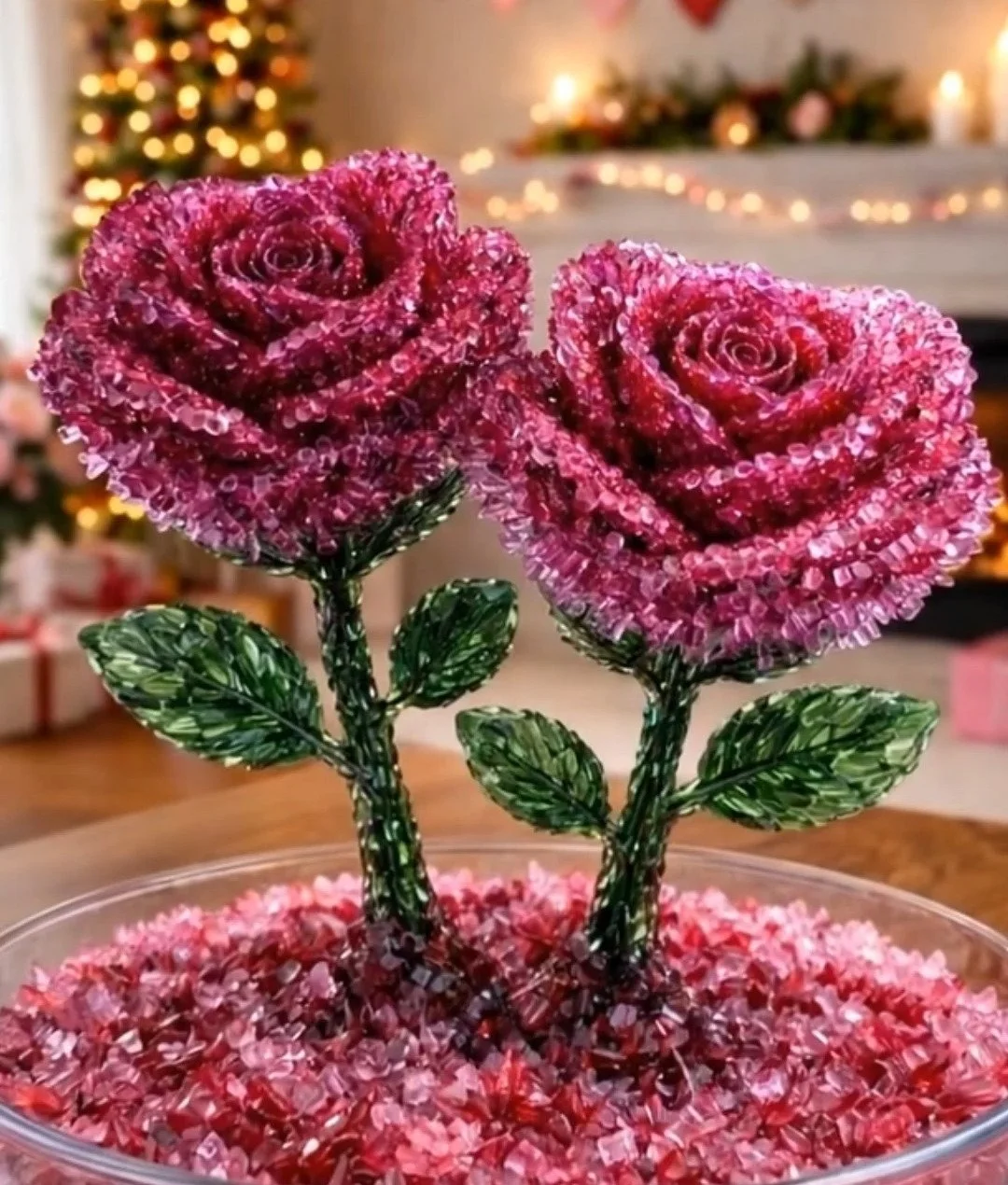
Making Crystal Flowers asks you to be present in the same way a slow cup of tea does. The project pulls attention gently toward texture, temperature, and time. You watch a clear solution become delicate, faceted petals. That watching invites a quiet mind.
The process uses repetition and small motions that soothe. Drawing the solution up with a pipette, letting drips land, moving a toothpick in subtle circles. These gestures add a rhythmic calm. The finished pieces hold light in a soft, steady way that makes any corner feel calmer.
On practical days I reach for these little ornaments when I want to re-center. They work as tiny rituals. I place one by my journal, touch its cool edge as I choose a word for the morning, and feel carried back to the present.
A Gentle Look at the Process
I like to think of the making as three simple phases: prepare, watch, and rest. You dissolve and color, you coax crystals to form, and then you let them settle until they harden and glow.
The sounds are minimal. A soft simmer at first. Then the whisper of solution being poured. Later, there is quiet as the crystals form, like snow settling on a window. Movement matters more than speed. Slow pours, calm breaths, and patient waits produce cleaner, more elegant petals.
If you enjoyed the layered textures of my baking soda crystal trees, you will find parallels here. Both projects reward steady hands and slow attention.
Materials You’ll Need
- Clear glass or small shallow dishes (easy to find)
- White granulated sugar or sodium-based crystal mix (common, choose one)
- Warm water (helps the sugar dissolve)
- Food coloring or mica powder (optional, for gentle color)
- Small pipette or dropper (smooth control)
- Toothpicks or thin wooden skewers (for shaping)
- Fine mesh sieve or coffee filter (optional, for clear solution)
- Parchment paper or silicone mat (for drying)
- Tweezers (helpful for handling delicate pieces)
- Small spray bottle of distilled water (optional, for humid control)
Note: If you prefer heart shapes or forests, try the different forms in the baking soda crystal heart growth post for ideas on shaping and how concentration changes the texture.
Step-by-Step Directions
- Prepare a calm workspace with good light and a small towel.
Gather materials so your hands move easily and your surface stays dry.
Dim other distractions and play soft, neutral music if that helps you settle. - Make a clear, warm sugar solution.
Stir sugar into warm water until it dissolves fully and the liquid looks clear.
Add just a drop of food coloring or a whisper of mica if you want soft tint. - Pour a shallow layer into your dish.
Fill a glass dish about a quarter inch deep to start.
The thin layer helps petals form with crisp edges. - Use a pipette to place droplets where you want petals.
Hold the pipette close and let droplets fall slowly in a round or petal shape.
Watch how the solution flattens and glistens before tiny crystals begin. - Gently coax shapes with a toothpick if desired.
Drag a toothpick slowly from the center to the edge to suggest a petal line.
Move with calm, even pressure so the liquid stays steady. - Let the plate rest undisturbed in a cool, dry spot.
Avoid sudden drafts or heat changes that make crystals grow unevenly.
Expect to wait several hours to overnight, depending on humidity. - Lift the formed crystal pieces carefully with tweezers.
The edges feel cool and slightly fragile at first; handle slowly and steadily.
Place them on parchment or a silicone mat to finish drying. - Finish and seal if you like.
Once the crystals harden fully, you can leave them natural or spray a fine sealant.
A light spray helps preserve them if you plan to handle them often. - Arrange and enjoy quietly.
Place your Crystal Flowers where light can catch them.
Touch them mindfully, breathe, and notice the small changes in shadow and shine.
Using Crystal Flowers in Everyday Life
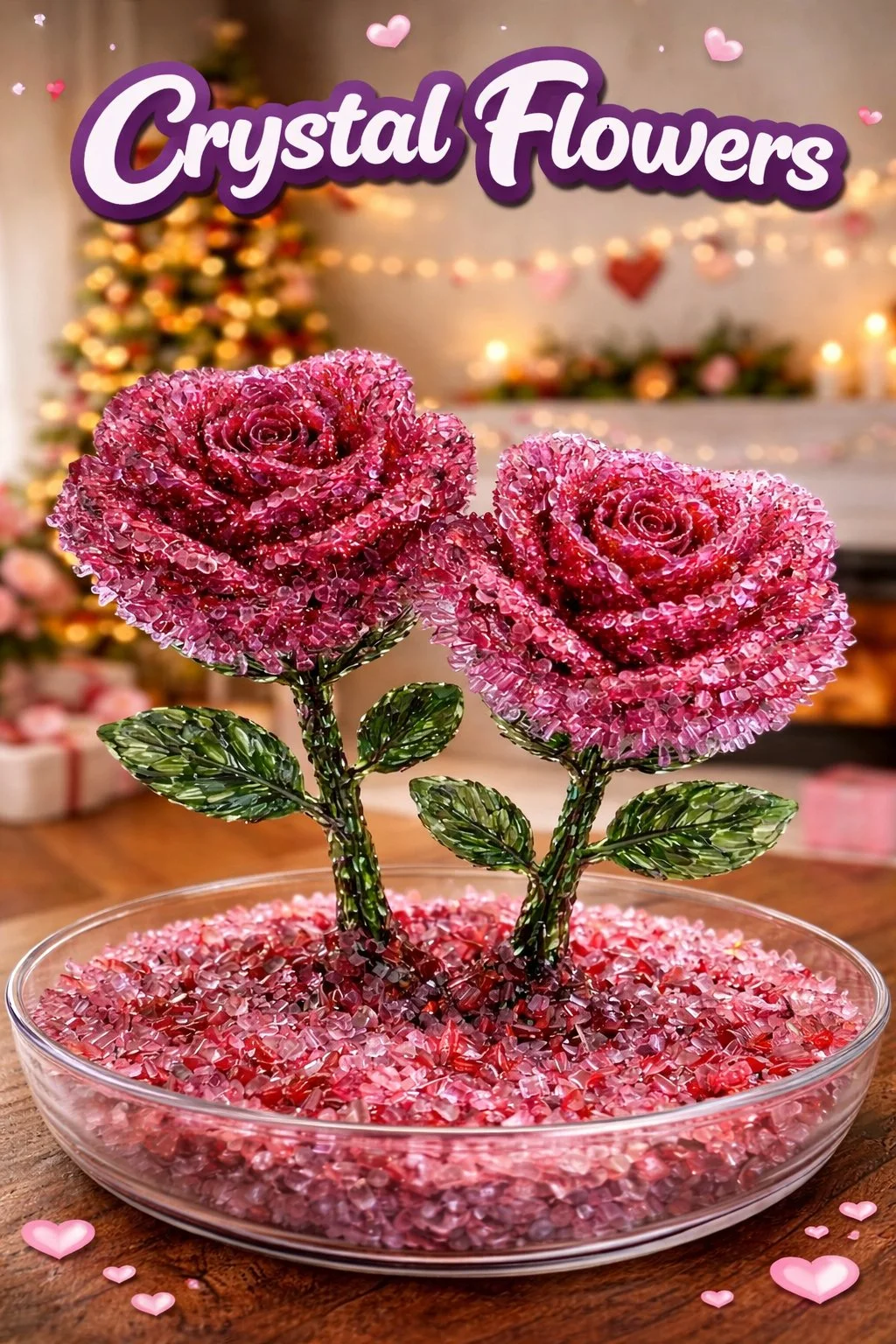
Crystal Flowers add a tiny pause to everyday routines. Line a few on a windowsill to watch morning light split into soft prisms. Tuck one into a shallow dish beside a book for a moment of tactile comfort. Their small size lets you move them easily and find new little pairings.
They sit well on bedside tables as gentle night ornaments. The cool surface and faint texture feel grounding when you rub a fingertip along a petal before sleep. On shelves they act as quiet accents; the glassy forms catch and hold small beams of sunlight without demanding attention.
You can use a Crystal Flower as a paperweight for a thin page of poetry. Or press one gently into a sealed shadow box with dried blooms and a handwritten note. These small objects invite slow rituals: morning tea, a short stretch, a single sentence in a journal. They become tiny anchors for care.
Making This DIY Last
Store finished pieces in a dry box lined with soft cloth or tissue.
Keep them away from direct sunlight if you used colored dyes, which may fade.
For long-term displays, consider placing them under a glass cloche to reduce dust.
If a petal chips, glue it back with a tiny dab of clear-drying adhesive and let it set fully.
Avoid places where humidity cycles dramatically; moisture can reshape fragile crystal edges.
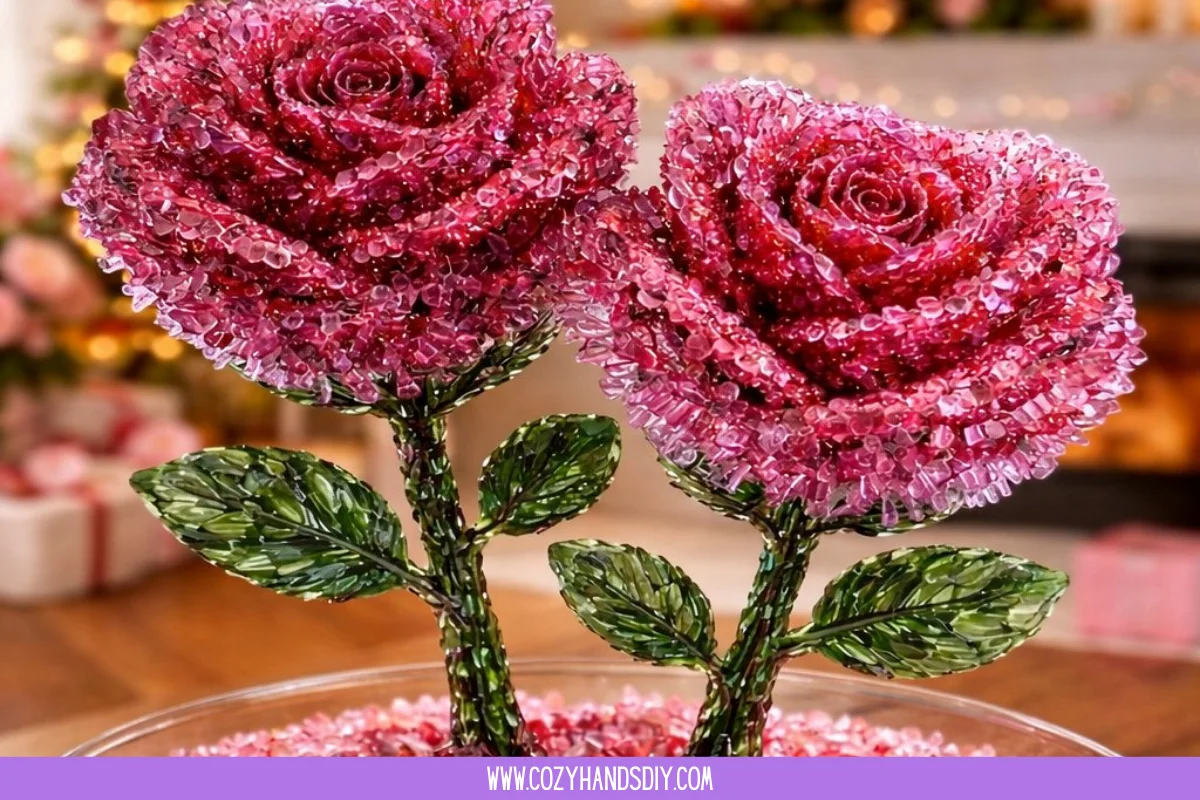
If you want to reuse a broken piece, crush it gently and mix small shards into a new solution.
They can seed fresh growth or create textured bases for a layered piece.
This approach extends the life of every creation and keeps materials in use.
Small Ways to Make It Your Own
- Try subtle scents: wipe a workspace cloth with lavender and let the faint scent mingle with the making.
- Use tiny seeds or threaded beads at the center before crystals form to create focal points.
- Experiment with pallet shifts: a dab of pearlescent mica gives a soft sheen without harsh color.
- Change scale gently: make some petals larger by using a wider dropper, or make tiny buds with a pinhole pipette.
These suggestions are invitations. Follow what feels cozy and slow. If a change feels fussy, leave it out. The best variations are those that calm you as you work.
FAQs About Crystal Flowers
How long do Crystal Flowers take to form?
Formation often starts within a few hours but may take overnight to reach a sturdy hardness. Humidity slows the process and dry rooms speed it up. I check by touch only when the surface feels cool and firm.
Are Crystal Flowers safe around plants or pets?
Keep them out of reach of pets and curious children. They look like candy to some animals. In plant displays, place crystals on dishes or under glass so soil moisture does not reach them.
Can I make these without any food coloring?
Yes, the simplest beauty is clear crystal catching light. Color is optional and works best when used very sparingly to keep the soft, delicate feel.
What causes crystals to form unevenly sometimes?
Drafts, sudden temperature changes, and impurities in the solution make growth uneven. I filter warm solutions and let the dish sit in a steady spot for more even results.
Can I preserve them long term?
A clear sealant spray helps, and storing under glass reduces dust and humidity. Even with care, expect slight changes over months; those changes often add to a piece’s quiet history.
Final Reflections on Making Crystal Flowers
Making Crystal Flowers asks for patience and gives back steady moments. The process is small, but it changes how you use hands and eyes for a little while. I find the repetition restorative and the finished pieces quietly proud.
There is comfort in choosing one slow action at a time: measuring, warming, dropping, waiting. Each step offers a small, satisfying click in the rhythm of a day. Let the project be an excuse to slow, not a task you must speed through. Your hands will remember the motion, and that memory will become a gentle skill you can call on whenever you need it.
Conclusion
If you seek floral inspiration from professional makers, consider looking at the local arrangements and delivery ideas on Cristal Flowers delivery gallery for a view of how light and form meet in fresh blooms. For examples of crystal flower sculptures and ornaments that spark design ideas, explore the collection at Waterford crystal flower sculptures.
PrintCrystal Flowers

A calming and meditative project to create delicate crystal flowers using sugar and warm water.
- Prep Time: 15 minutes
- Cook Time: 180 minutes
- Total Time: 195 minutes
- Yield: Multiple crystal flowers
- Category: Craft
- Method: DIY
- Diet: N/A
Ingredients
- Clear glass or small shallow dishes
- White granulated sugar
- Warm water
- Food coloring or mica powder (optional)
- Small pipette or dropper
- Toothpicks or thin wooden skewers
- Fine mesh sieve or coffee filter (optional)
- Parchment paper or silicone mat
- Tweezers
- Small spray bottle of distilled water (optional)
Instructions
- Prepare a calm workspace with good light and a small towel.
- Gather materials so your hands move easily and your surface stays dry.
- Make a clear, warm sugar solution by stirring sugar into warm water until it dissolves fully.
- Pour a shallow layer of the solution into your dish.
- Use a pipette to place droplets where you want petals.
- Gently coax shapes with a toothpick if desired.
- Let the plate rest undisturbed in a cool, dry spot for several hours to overnight.
- Lift the formed crystal pieces carefully with tweezers.
- Finish and seal with a spray sealant if you like.
- Arrange and enjoy your Crystal Flowers in different spaces.
Notes
Keep finished pieces in a dry box lined with soft cloth to prevent damage. Store away from direct sunlight to avoid fading.