

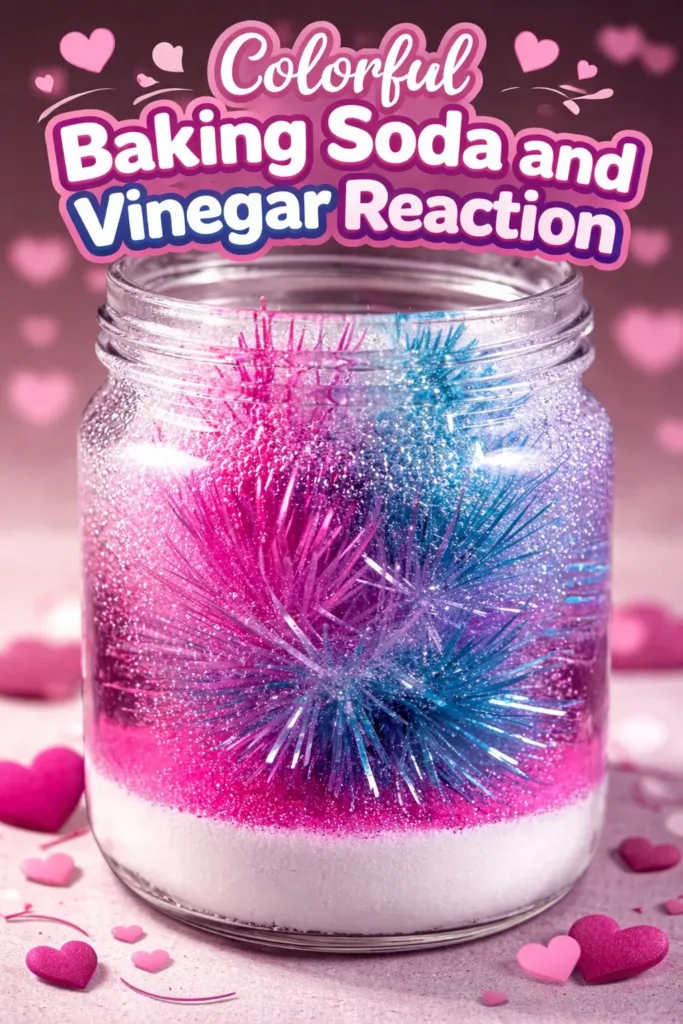
The kitchen light softens the countertop as I press a fingertip into a mound of dry, fine baking soda. It feels like powdered clay beneath my touch, cool and slightly gritty, and I think of the first time I watched fizzing bubbles appear when vinegar met soda. The Colorful Baking Soda and Vinegar Reaction invites that slow, quiet curiosity. I found it comforting to set out tiny bowls of color, slow my breath, and let each droplet make a little bright, fleeting bloom of foam. If you have tried other gentle kitchen experiments like the baking soda crystal growing tree, you may notice the same small, pleased attention that arrives when materials meet and transform. baking soda crystal growing tree
Why Colorful Baking Soda and Vinegar Reaction Feels Comforting to Create

This activity asks for simple motions and offers immediate, soft feedback. You mix bright, thin streams of colored vinegar with a pale, pillowy bed of baking soda. Each contact creates a tiny eruption of warm sound and frothy bubbles. That fizz has a rhythm. It asks you to slow down, listen, and watch. The vinegar gives a clean, faint scent that snaps the attention into the present; the baking soda gives a cool tactile anchor.
Making this can steady a hurried mind. You repeat small gestures, like tapping a spoon or squeezing a dropper. The colors bleed and blend in brief moments that feel like little private fireworks. You do not chase perfection. You stay with texture and motion. This makes the moment more like a short meditation than a craft that must look perfect.
The act also suits shared, quiet time. Children and adults can sit together and take turns. You may notice an easy warmth spreading in your hands from hot tea nearby, and that simple comfort adds to the calm. The experiment links curiosity and care. It helps attention rest on something small and safe.
A Gentle Look at the Process
Before you gather bowls and colors, imagine the rhythm. You will shape tiny hills of powder, pour thin vinegar, and watch fizz rise and settle. Motion moves from still to lively, then back to still. The sound of bubbles tapping the rim feels small and present. Your hands repeat a soft sequence: scoop, lay, drop, watch, breathe.
Work in short loops. Make a color, watch it fizz, let the foam fall. The reaction lasts only a moment, so you practice noticing the brief. That noticing becomes a gentle habit of focus. If you want to explore similar slow transforms, look at how other baking soda projects grow patterns over time such as the baking soda crystal growing trees which also reward patient attention.
You will prepare small amounts of colored vinegar rather than one big bowl. This keeps the play quiet and tidy. It also gives you control over pacing. The main chemistry works the same each time and responds to the size of the drops you use. Tiny drops give whispering fizz. Larger pours give a quick, expressive bloom.
Materials You’ll Need
- Baking soda, regular household baking soda, easy to find.
- White vinegar, plain vinegar, for a clean, mild scent.
- Food coloring or liquid watercolors, liquid works best for quick color.
- Small containers or bowls, one per color, shallow and stable.
- Squeeze bottles or droppers, for gentle, controlled drops (optional).
- A tray or washable surface, to keep the work cozy and contained.
- Small spoons or measuring spoons, for shaping the soda into mounds.
- Paper towels or a damp cloth, for quick, calm cleanup.
- Safety note: goggles or close supervision for very young children, optional but mindful.
You may substitute droppers with a small spoon or the tip of a straw if you do not have squeeze bottles. For a softer scent, dilute the vinegar with a little water; the reaction will still fizz because the acid remains present. For a more vivid color, mix the dye directly into the vinegar before you add it to the soda. If you want inspiration for related, slow kitchen science, try the baking soda crystal heart growth, which shares a gentle sensibility and simple supplies.
- Prepare a calm workspace. Lay a tray beneath your bowls and set out a cup of water for rinsing hands.
- Scoop baking soda into small, soft mounds on the tray. Make varying sizes to explore different fizz patterns.
- Mix a few drops of food coloring into each small bowl of vinegar. Match colors to mood.
- Use a dropper or the tip of a bottle to let colored vinegar fall slowly onto the soda hills.
- Watch as bubbly foam forms and expands, noticing sound, color, and texture.
- Try layering colors or placing glass covers to slow the foam for a different effect.
- When you finish, wipe the tray gently and rinse tools, keeping cleanup as calm as the making.
Step-by-Step Directions
- Set your space
Place a tray on a stable table and sit with a cup of warm tea or water nearby. Arrange your bowls and tools within easy reach. Breathe in and out once or twice before you begin. - Make soft hills
Scoop baking soda into 6 to 8 small mounds across the tray. Press gently so each mound stays shaped and feels slightly firm under your fingertips. - Color the vinegar
Pour vinegar into small cups and add a few drops of dye. Stir each cup slowly until color moves through the liquid like silk. Keep the hues soft or bright, as you prefer. - Load your droppers
Fill droppers or squeeze bottles with the colored vinegar. Hold them like a pen and rest your hand on the table to steady your movement. - Start with a single drop
Bring the dropper tip close to a mound and let one drop fall. Watch the moment the drop touches the powder. Listen to the tiny, quick hiss and watch bubbles lift and pop. - Explore pace and size
Try one slow drop, then a quick stream. Notice the different sounds and the way foam spreads. You may find your breath follows the motion. - Layer colors slowly
Add a second color when the first foam softens. Watch as colors wash together briefly, then fade into pale rings. Enjoy the way the foam changes texture and translucency. - Pause and observe
Between experiments, run your finger through a cooled patch of mixture for texture. The powder will feel different after contact. Clean your finger on a damp cloth and return to watching. - Tidy gently
When play ends, scoop larger clumps into a compost or trash bin. Wipe the tray and rinse cups. Set tools to dry and fold the cloth into a small, neat square. The cleanup becomes a gentle way to slow the moment back down. - Reflect
Sit a moment and notice how your hands feel. Recall the sound of bubbles and the way colors unspooled. If you craft with others, share one small observation each and listen.
Where This DIY Fits Into a Calm Routine

This experiment suits short pockets of time. Try it as a slow interlude between tasks or as a mindful start to an afternoon. It also works well as a bedside table activity when you want to unwind before sleep. Place a tray by the window and let natural light make the colors glow. The activity does not demand big setup or finish, and that lightness keeps it as a soothing pause.
You can integrate it into sensory play sessions or quiet homeschool blocks. Children often use the same motions repeatedly; that repetition builds fine motor skills while calming nerves. For longer sessions, set a timer for 10 to 20 minutes and allow the room to stay quiet. You may open a small box of seasonal objects to hold while you watch the fizz, making an extra cozy ritual. If you like projects that grow over hours and days, you might enjoy returning to a related project like the baking soda growing tree to compare how focus shifts with time.
How to Store or Reuse Colorful Baking Soda and Vinegar Reaction
Most of the foam and fizz exist only briefly, but you can keep materials for another session. Store leftover colored vinegar in small, labeled jars in the fridge for up to a week. Color tends to settle, so swirl the jar before use. Keep any unused baking soda dry in an airtight container to prevent clumping from humidity.
If you mix too much at once, pour cooled, mostly dry remains into compost if your municipality accepts it. Avoid pouring large amounts down household drains, especially if the mix includes heavy dye that might stain pipes or surfaces in some homes. Rinse small spills quickly with water. For washable surfaces, a quick scrub with warm water removes residue easily.
You can capture memories of each run by taking a small photo of the foam at its peak. Those images make a soft record of color choices and shapes and invite mindful reflection later. If you also like mixing slow crafts that last, store notes about dye mixes and mound shapes so you can repeat combinations that felt calm.
Gentle Tips & Variations
- Invite quiet painting
Use a paintbrush to drop color onto the baking soda. The brush softens the fall of vinegar and creates thin, delicate ribbons of foam. - Try natural dyes
Experiment with turmeric mixed in warm vinegar for gentle yellow, or beet juice diluted with vinegar for pinks. Natural colors change the scent slightly and connect the activity to kitchen life. - Make tiny volcanoes
Build higher cones of baking soda and pour a slightly larger stream of vinegar to see a quick, joyful plume. This variation works for a more expressive moment. - Use milk bottles or baking cups
Place mounds inside small paper cups for contained, tidy fizz. The cups catch drips and keep the tray neat. - Slow it down
Mix a tiny amount of cornstarch into the baking soda to make the powder hold shape longer and slow the reaction slightly. Start with a small pinch and adjust.
These suggestions remain invitations. Follow them as small experiments rather than rules. Choose what feels calm and simple and skip anything that feels cluttered.

What I’ve Learned While Making This
I learned to let curiosity lead and to keep the space lightly framed. When my children and I first tried this, we rushed to pour and expected big plumes. We found more pleasure when we slowed our hands and watched the subtle blooms. I also noticed that the sound of a single small drop hitting powder can feel as satisfying as a big whoosh. That taught me to value small, careful actions.
I learned safety matters in gentle ways. A small dropper keeps vinegar off clothes and away from eyes. A tray reduces the stress of cleanup. Watching for stains and rinsing quickly kept surfaces calm and worry-free. I learned to set a small towel beside me and treat cleanup as part of the ritual.
I learned to record color mixes. A pale blue with a touch of green made a soft ocean hue that we returned to again and again. The act of making notes helped me repeat moments that felt cozy. Over time, the experiment became less about the loudest bubble and more about the quietest details: a scent, a color, the soft sound of fizz.
Gentle Tips & Variations
- Use different temperatures
Try vinegar at room temperature and at slightly warmer temperature to notice subtle changes in the vigor of the fizz. Warm liquid moves faster and may make slightly quicker reactions. - Add sensory companions
Play soft music or pour tea in a nearby mug to make the session more soothing. The combined sensory palette feels like a small ritual. - Work with texture
Press small natural items, like smooth stones or glass beads, into the tops of the baking soda hills. Watch how the foam moves around them and notice tactile contrasts. - Combine with slow stories
Tell a short, soft story about each color or mound. The narrative slows the hands and turns the session into a gentle shared memory. - Document and compare
Keep a small notebook of your favorite mixes and mound shapes. Return to them when you want a known, calming activity.
FAQs About Colorful Baking Soda and Vinegar Reaction
Will the colored vinegar stain my hands or clothes?
Liquid food coloring can stain light fabrics. Use small amounts and wear an apron. Rinse hands with water right away if color lands on skin. Most skin stains fade quickly with soap.
Is the reaction safe for young children?
Yes, when supervised. The ingredients are common household items, but you should watch for contact with eyes or mouth. Provide droppers that fit small hands and a tray to avoid slips.
What makes the fizz happen?
The fizz comes from a simple chemical reaction. Vinegar contains acetic acid. Baking soda contains sodium bicarbonate. When acid meets bicarbonate, they create carbon dioxide gas. That gas forms tiny bubbles that push foam outward. The color only travels with the vinegar, so change it to adjust the visual effect.
Can I use other acids instead of vinegar?
Lemon juice works but gives a different scent and a weaker reaction. Vinegar remains the most reliable for steady, gentle fizz.
How long will the colored vinegar last?
Store colored vinegar in small jars in the fridge for up to a week. Shake before use to remix any settled dye.
A Gentle Note Before You Go
Set the tray aside once you finish and close your eyes for a breath. Notice how your hands feel, perhaps a little warm and a little dusted with fine powder. Remember the sound of a single drop hitting a mound, the small hush that followed. Keep the memory of that hush as a small, portable pause you can return to later. Creation does not have to last to matter. A brief moment of color and fizz can soften a day and steady your hands.
Conclusion
If you want a few more ideas for playful, color-filled fizzing experiments, try the gentle guide for the Baking Soda and Vinegar “Fizzing Colors” Experiment which offers child-friendly tips and variations. For another soft take on rainbow fizz that leans into visual layers and step-by-step photos, the Rainbow Baking Soda and Vinegar Experiment – Happily Ever Mom shares lovely examples you might adapt to your calm routine.
Return to this simple act when you need a short, sensory pause. Keep the materials small, the colors kind, and the pace slow. The making itself will become a form of rest.
PrintColorful Baking Soda and Vinegar Reaction

An engaging and soothing kitchen experiment blending baking soda and vinegar with vibrant colors to create a calming fizzing reaction.
- Prep Time: 10 minutes
- Cook Time: 15 minutes
- Total Time: 25 minutes
- Yield: 2-4 participants
- Category: Science Experiment
- Method: Open-ended exploration
- Cuisine: N/A
- Diet: N/A
Ingredients
- Baking soda
- White vinegar
- Food coloring or liquid watercolors
- Small containers or bowls
- Squeeze bottles or droppers (optional)
- A tray or washable surface
- Small spoons or measuring spoons
- Paper towels or a damp cloth
Instructions
- Set your space with a tray on a stable table and a cup of warm water nearby.
- Scoop baking soda into small mounds on the tray.
- Pour vinegar into small cups and add a few drops of food coloring.
- Load droppers or squeeze bottles with colored vinegar.
- Start with a single drop and observe the fizz reaction.
- Experiment with different drop sizes and colors to create varied effects.
- Gently tidy the area and clean the tools after the experiment.
Notes
Supervision is advised for very young children. Use goggles if necessary. Store leftover materials in an airtight container and recycle properly after use.